Before Trekking Pa Thiên – Voi Mẹp: 10 Things to Know
Khanh Chi
09:02 - 24.09.2026
Trekking may sound simple: put on your boots, carry a backpack, and head into the mountains. In reality, a good trekking trip takes more preparation than that. The terrain, weather, fitness level, and what you bring with you can all affect your experience on the trail.
If you’re considering trekking Pa Thiên – Voi Mẹp, these 10 tips will help you know what to expect and prepare before you set off.
Conquering Pa Thiên – Voi Mẹp, the Roof of Quảng Trị
Don’t just ask: “How many kilometers is the route?” A trekking route also involves elevation, steep sections, terrain, walking time, and weather conditions. Pa Thiên – Voi Mẹp includes steep sections, rocky ground, streams, and changing terrain along the way. Knowing what the route is like beforehand will help you choose the right footwear, clothing, amount of water, and level of preparation.
If you’re joining a tour, ask the operator about:
Total distance
Trekking time each day
Difficulty level
Rest stops or camping locations
What equipment and supplies are provided
Weather conditions that may affect the route
Knowing what lies ahead makes it much easier to prepare.
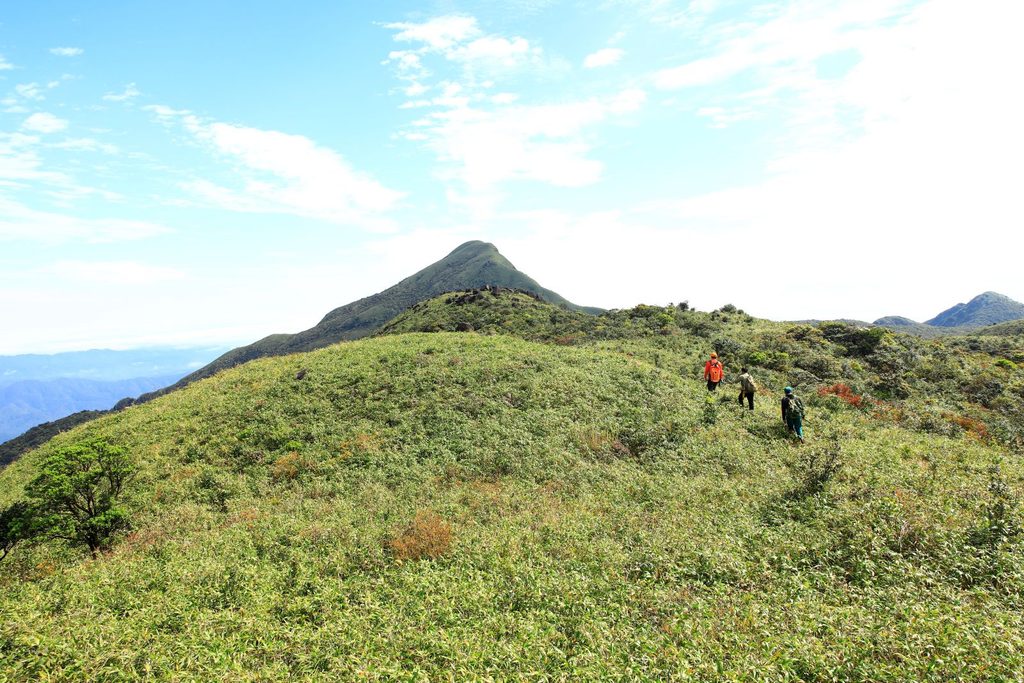
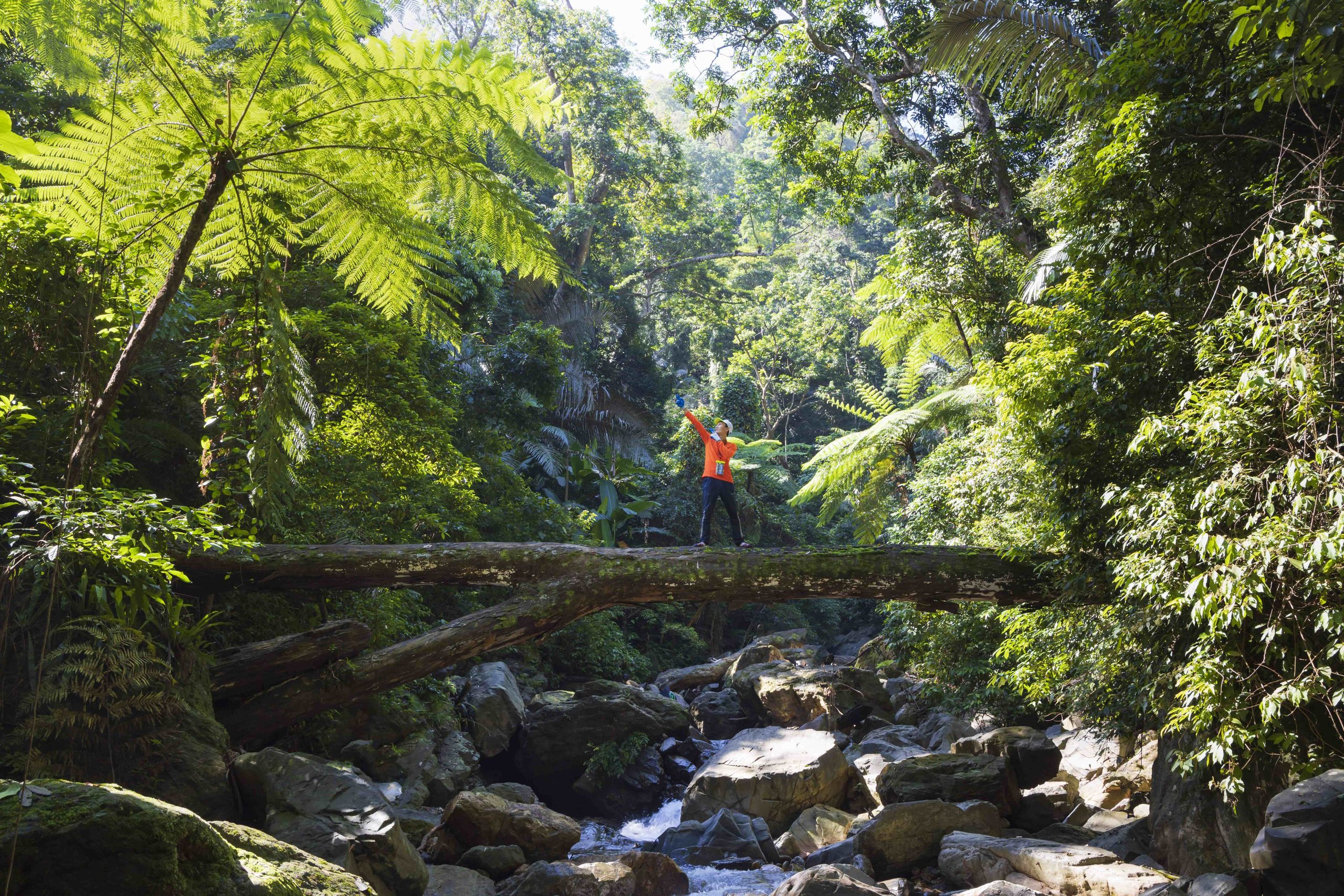
One of the trails on the Pa Thiên – Voi Mẹp route
2. Know your fitness level
You may be able to walk 5–10 km around the city without feeling too tired, but that doesn’t necessarily mean you’re used to climbing and moving across uneven terrain. Long uphill sections put more strain on your legs. Rocky and uneven ground also requires better balance and foot control.
If you’re new to trekking, prepare with activities such as:
Brisk walking
Climbing stairs
Walking on slopes
Squats and other leg exercises
Walking with a light backpack
You don’t need to train too hard. The key is to gradually get your body used to longer periods of activity.
3. Choose the right shoes
A good-looking pair of shoes isn’t necessarily a good pair for trekking. Look for: Good grip – a comfortable fit – enough support – suitable for the terrain. If the route includes rocks, wet ground, or steep sections, shoes with good traction can make your footing much more secure.
Most importantly, don’t wear a completely new pair of shoes for a long trek. Break them in beforehand so you can find out if they cause discomfort or blisters. And don’t forget your socks. The right pair can make a big difference in reducing friction during hours of walking.
4. Keep your backpack light
Every extra item in your backpack is extra weight you’ll have to carry for the entire trek.
A well-packed backpack for a smooth trekking experience
Focus on the essentials:
Water
Snacks
Rain jacket
Warm layer
Phone and power bank
Personal first-aid kit
Headlamp if needed
Insect repellent
A bag for your rubbish
If your tour operator provides some of these items, check the list beforehand so you don’t carry unnecessary extras. A well-packed backpack is usually better than an overloaded one.
5. Stay hydrated
Trekking in hot weather or climbing for long periods can make you lose fluids more quickly. Rather than waiting until you’re very thirsty and then drinking a large amount, take smaller amounts regularly throughout the trek. How much water you need will depend on:
Weather conditions
Trekking time
Exercise intensity
Whether you can refill water along the route
When it comes to streams or natural water sources, don’t assume that clear, flowing water is safe to drink straight away. If you need to use natural water, make sure it is treated appropriately first.
6. Eat before you get hungry
A trek lasting several hours requires regular energy intake. Pack small, easy-to-carry snacks such as:
Bananas
Nuts
Dried fruit
Chocolate
Bread
Granola or energy bars
What you eat before setting off matters too. Don’t start a full day of trekking on an empty stomach simply because you’re worried that a larger meal will make you uncomfortable.
If meals are included in your tour, ask about the menu and meal times in advance. That way, you can bring additional snacks if you think you’ll need them.
7. Find a steady pace
One common mistake among first-time trekkers is starting too fast. At the beginning, you still have plenty of energy, so it’s easy to walk faster than you should. After several hours of climbing, however, that pace can catch up with you. Find a rhythm that you can maintain throughout the day. On uphill sections, shorter, steady steps can make it easier to manage your energy. When going downhill, pay attention to where you place your feet and avoid rushing to keep up with the person in front of you. If you’re trekking as a group, the pace should also take into account members who may have lower fitness levels.
8. Check the weather
Mountain weather can change quickly. Rain can make rocks and soil slippery. Streams may rise. Mist or low clouds can reduce visibility.
Check the forecast before your trek and ask the tour operator about current trail conditions. If the weather becomes bad enough to affect safety, the itinerary may need to be adjusted. Adjusting the plan is always better than pushing ahead at all costs.
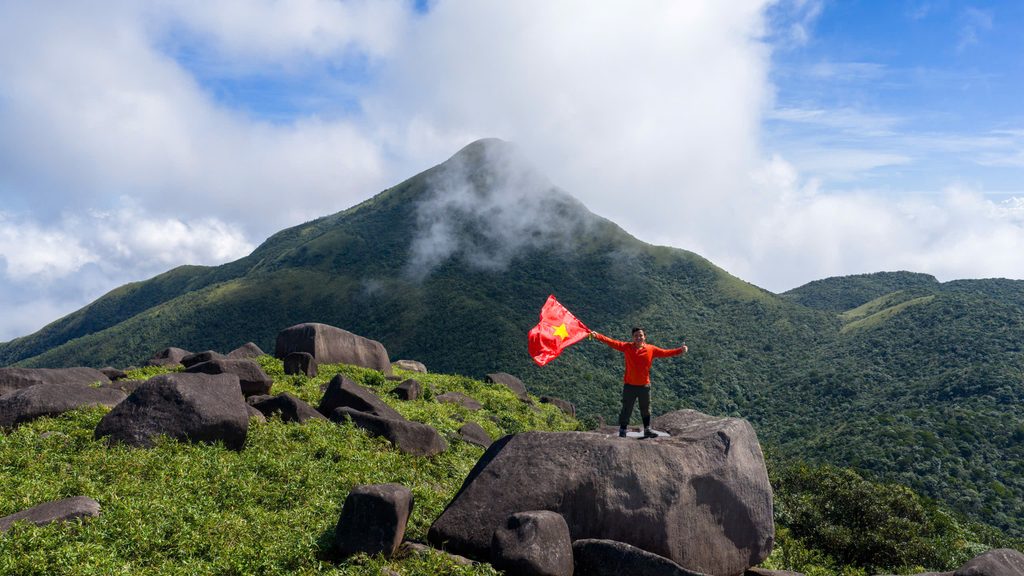
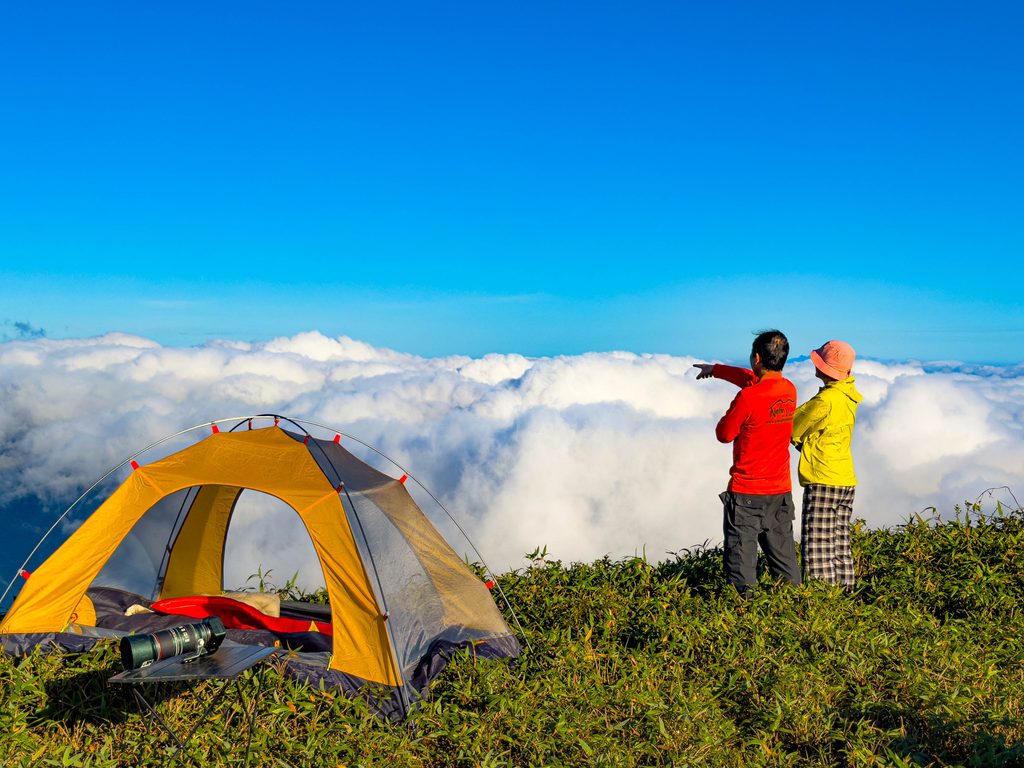
Beautiful weather on the summit of Pa Thiên – Voi Mẹp
9. Go with a local guide
A local guide is an important part of any trekking trip (Netin Travel guide)
For less-established trekking routes, having a local guide can make a real difference. A guide can help with:
Navigating the route
Identifying more difficult sections
Adjusting the pace
Keeping an eye on the group
Handling unexpected situations along the way
On Pa Thiên – Voi Mẹp, local guides are also an important part of the experience. Their knowledge of the terrain helps the group move safely, especially through sections that require extra attention.
10. Be ready to turn back
This may be the most important tip of all. You may have trained, prepared carefully, and really want to reach the summit. But trekking always depends on the conditions on the ground. If the weather changes, you start feeling unwell, or a section of the route becomes unsafe, talk to your guide and consider turning back. Reaching the summit is the goal. Staying safe comes first.
Why try Pa Thiên – Voi Mẹp?
Pa Thiên – Voi Mẹp is suited to travelers looking for a trekking experience with varied terrain and a more demanding physical challenge than a short hike.
The route includes steep sections, rocky ground, streams, and changing terrain along the way. These are the elements that make it different from a typical sightseeing trip and give you a more active trekking experience.
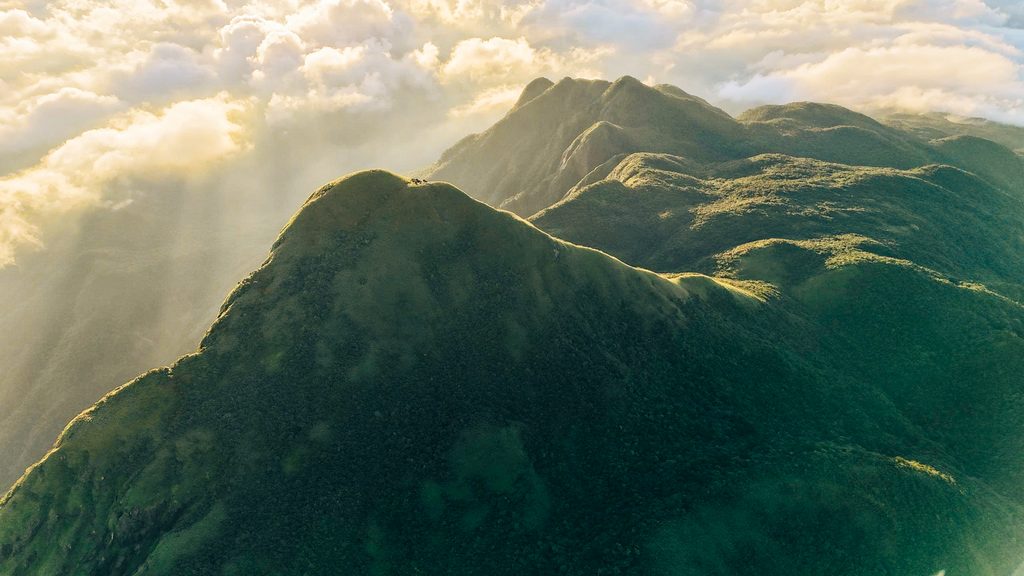
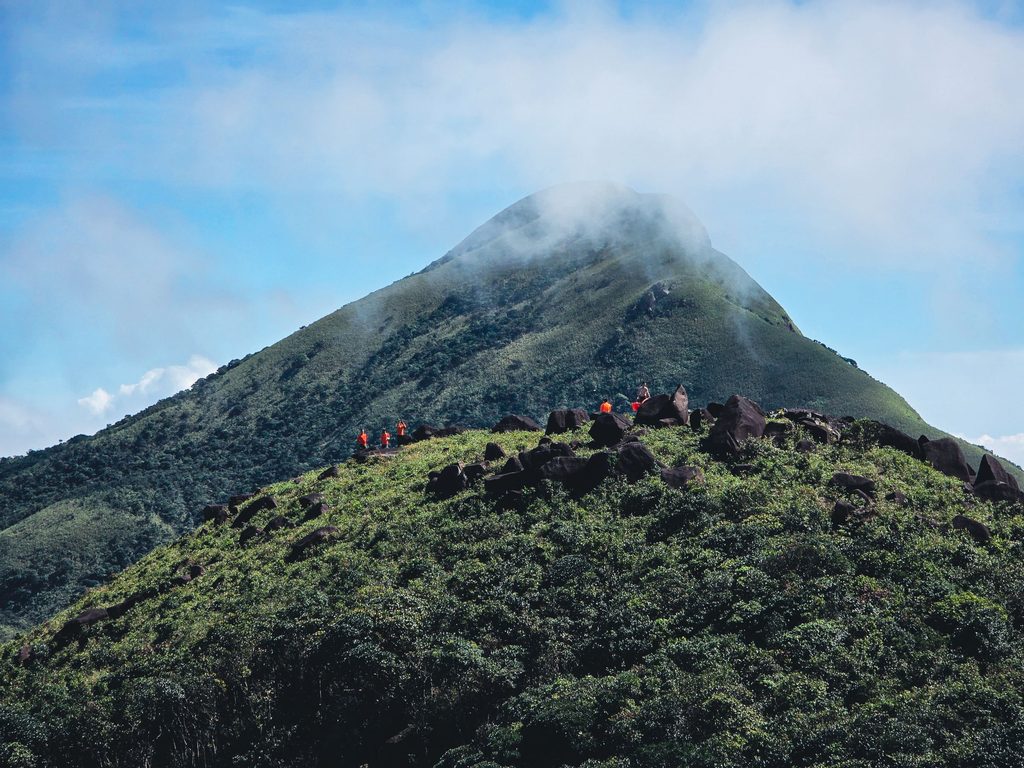
One of the scenic views along the Pa Thiên – Voi Mẹp route
A clear goal to work toward
Voi Mẹp stands at around 1,707 meters, making it one of the higher peaks in Quảng Trị. For travelers who enjoy having a clear goal on a trek, working toward a mountain summit can add extra motivation along the way.
Varied terrain to test yourself
Pa Thiên – Voi Mẹp features different types of terrain and steep sections where managing your energy becomes important. It is a good option for travelers looking for something more physically demanding than a gentle hike.
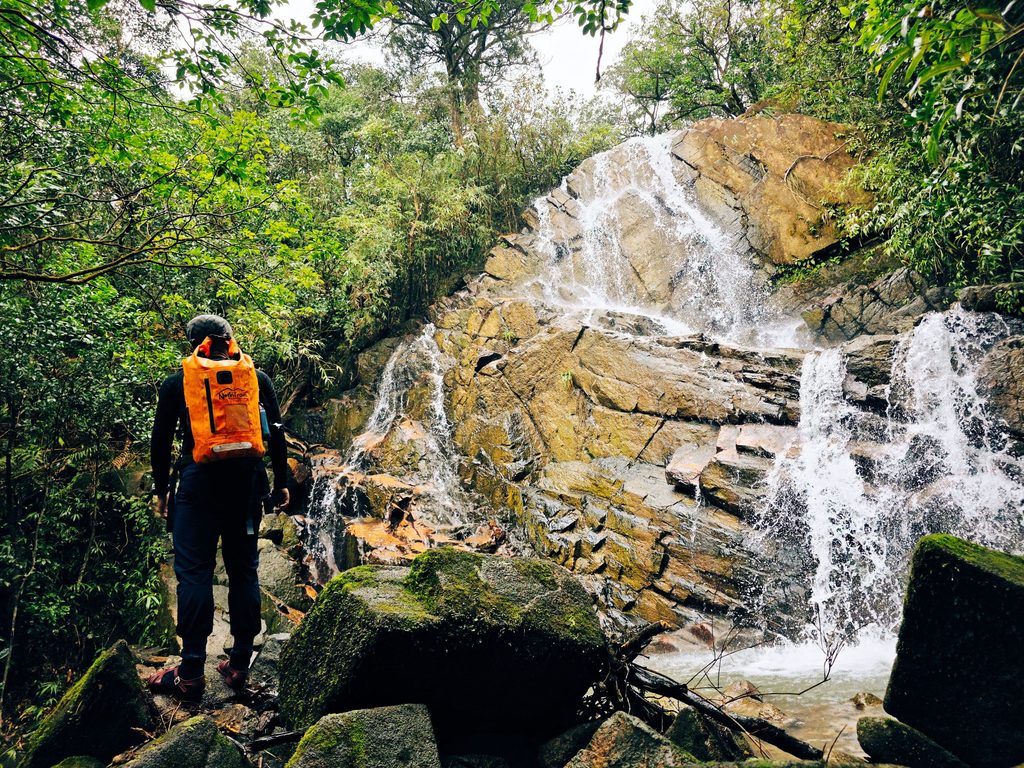
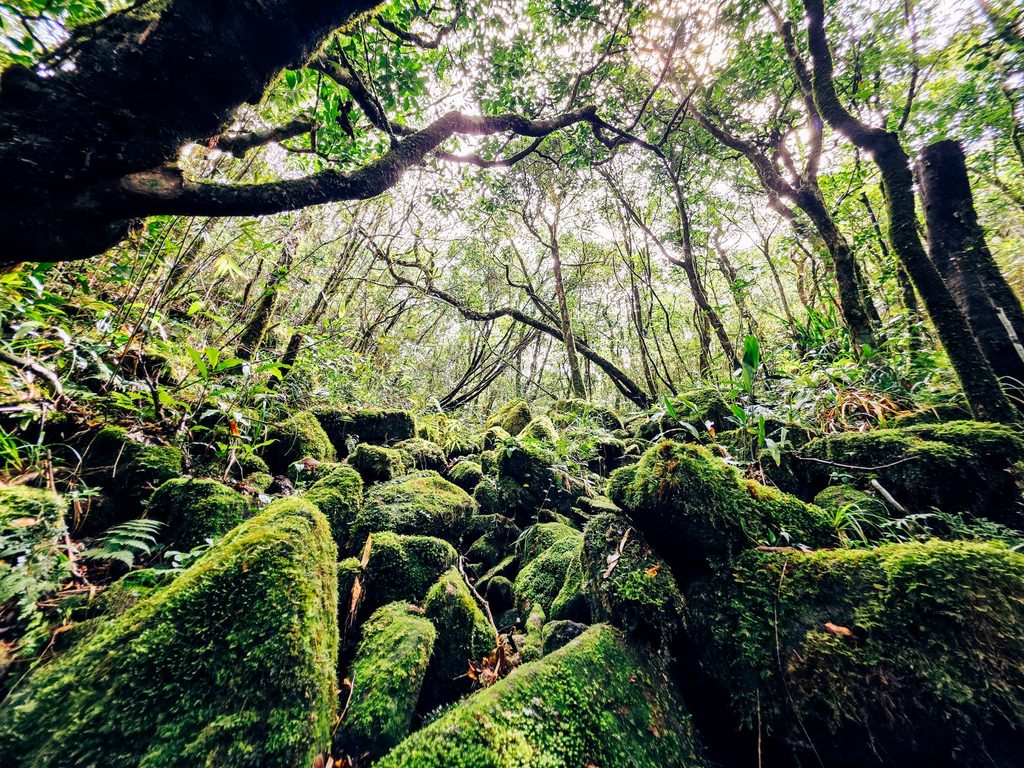
Rocks, moss, and forest vegetation are part of what makes Pa Thiên – Voi Mẹp so beautiful
A new trekking option in Quảng Trị
Pa Thiên – Voi Mẹp is still relatively new to many travelers. It is worth considering if you’re looking for a trekking experience beyond some of the more familiar routes in Vietnam.
Support from the local community
Local Bru Vân Kiều people are involved in supporting and guiding visitors in the area. This is also an important part of how Netin approaches nature-based tourism: tourism activities should create additional livelihood opportunities for communities at the destination.
Could Pa Thiên – Voi Mẹp be your next trek?
Good preparation is the first step. The next is choosing a route that matches your fitness level and the kind of experience you’re looking for. With mountain terrain, steep sections, and several hours of continuous trekking, Pa Thiên – Voi Mẹp is an option for travelers who want to take on a longer trek with more varied terrain.
Pa Thiên – Voi Mẹp is currently available with two itinerary options: 2 days 1 night and 3 days 2 nights. If you’re considering this route and would like to know more about the itinerary, difficulty level, or what to bring, visit the Samuer website or contact Netin Travel for more details.
Discover a different side of Central Vietnam through caves, mountain trails, rivers and hot springs. Each journey offers a new way to experience the region’s natural landscapes.
Responsible cave exploration helps protect fragile cave environments while preserving meaningful experiences for future visitors. Discover the impacts of tourism and how to explore caves more sustainably.
Explore Phong Nha Cave by kayak, then continue with hiking, swimming in underground water, and discovering cave formations and ancient Champa inscriptions.