Bru–Van Kieu Cuisine: Discover Distinctive Local Flavours
Khanh Chi
10:18 - 09.10.2026
Food is one of the pleasures of travelling. Some people enjoy sampling local dishes while exploring scenic destinations. Others plan entire trips around discovering the specialities of each region.
Quang Tri is known for its spectacular caves, Truong Son forests, long coastline and historic sites. But western Quang Tri has its own appeal for food lovers. Here, visitors can discover rustic dishes with distinctive local flavours and traditional cooking methods.
If you enjoy local cuisine and want to try something different during your visit to Quang Tri, join Netin Travel to explore the traditional dishes of the Bru–Van Kieu people.
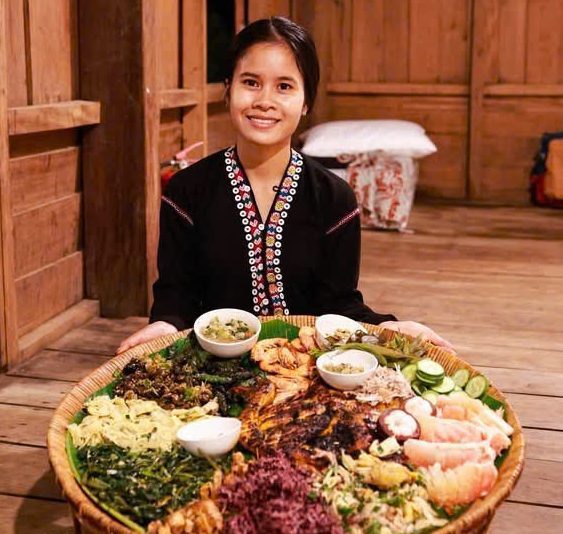
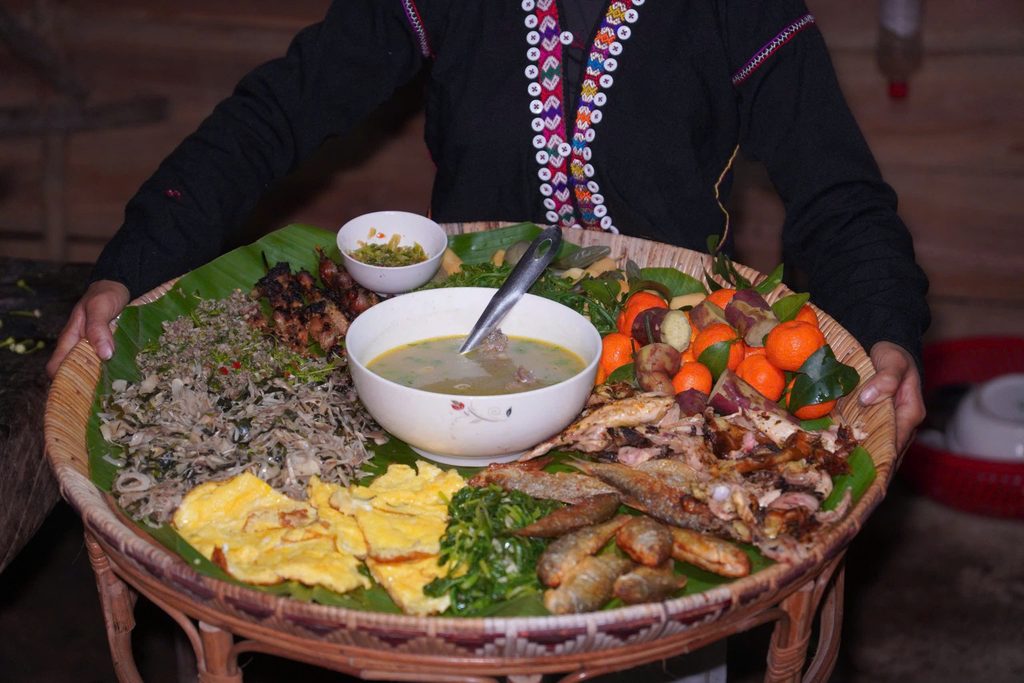
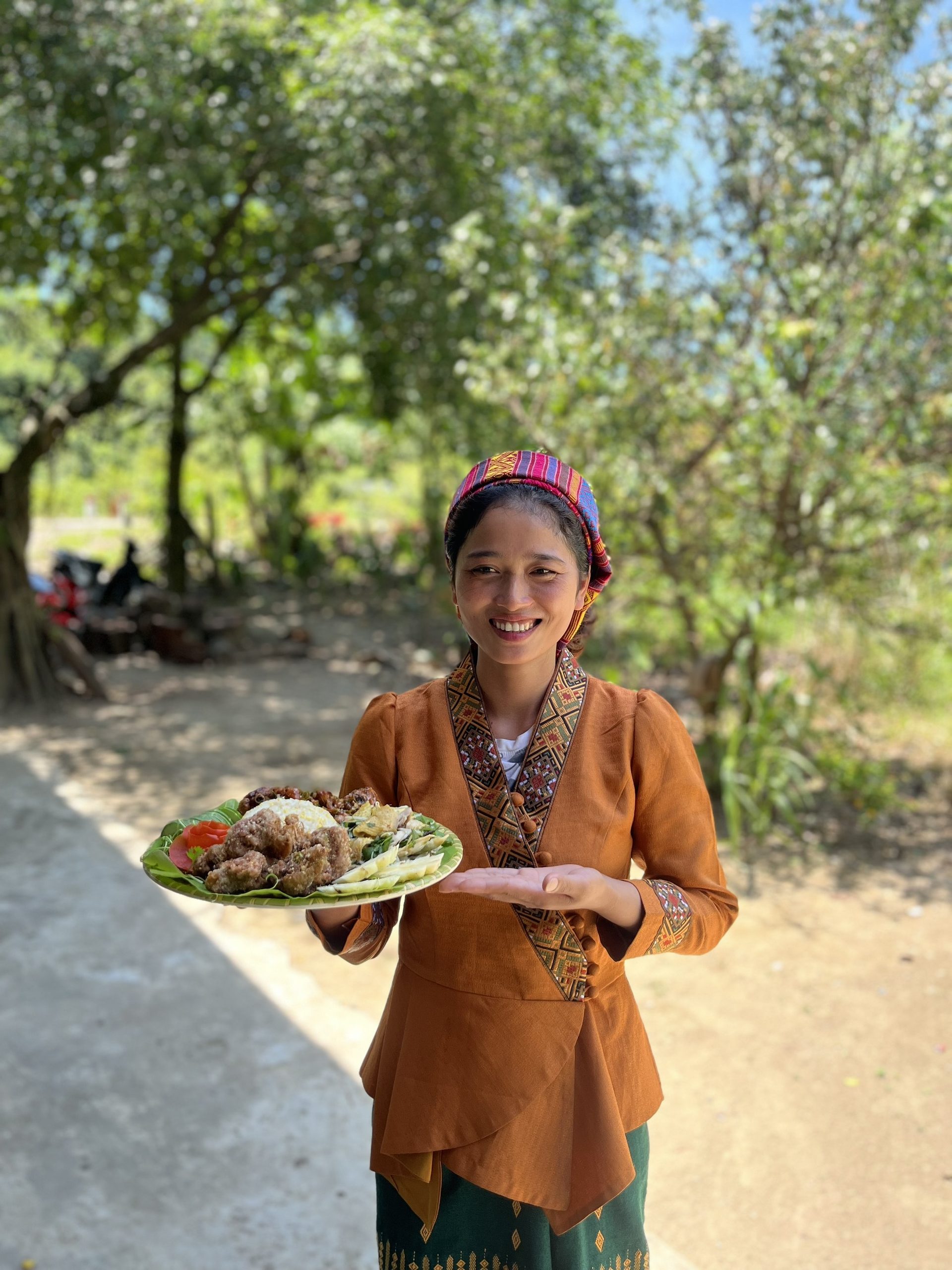
A Bru–Van Kieu woman with a traditional meal prepared for visitors at Doong Bui Homestay, Chenh Venh
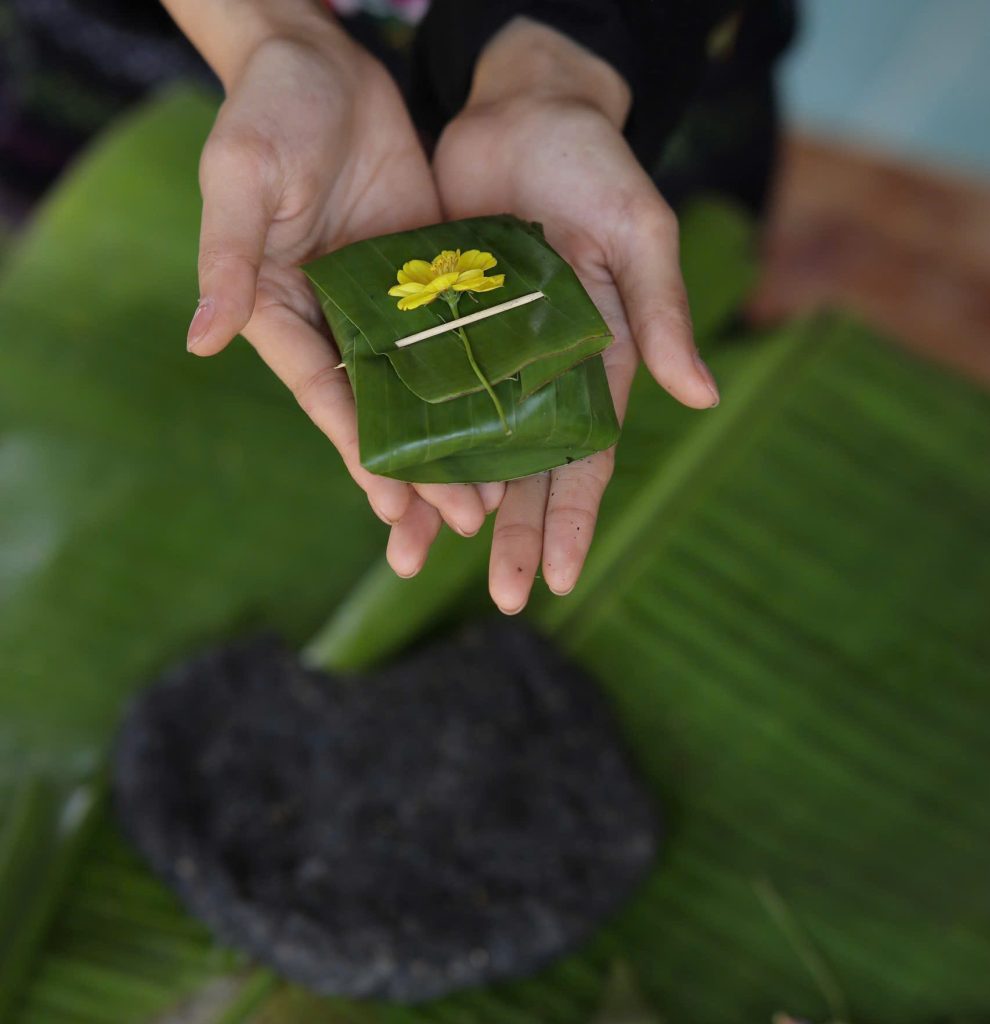
Ayoh is a traditional cake of the Bru-Van Kieu people, made from glutinous rice, black sesame seeds and a little salt. It has a dark colour, a round shape and a pleasantly chewy texture from finely pounded sticky rice.
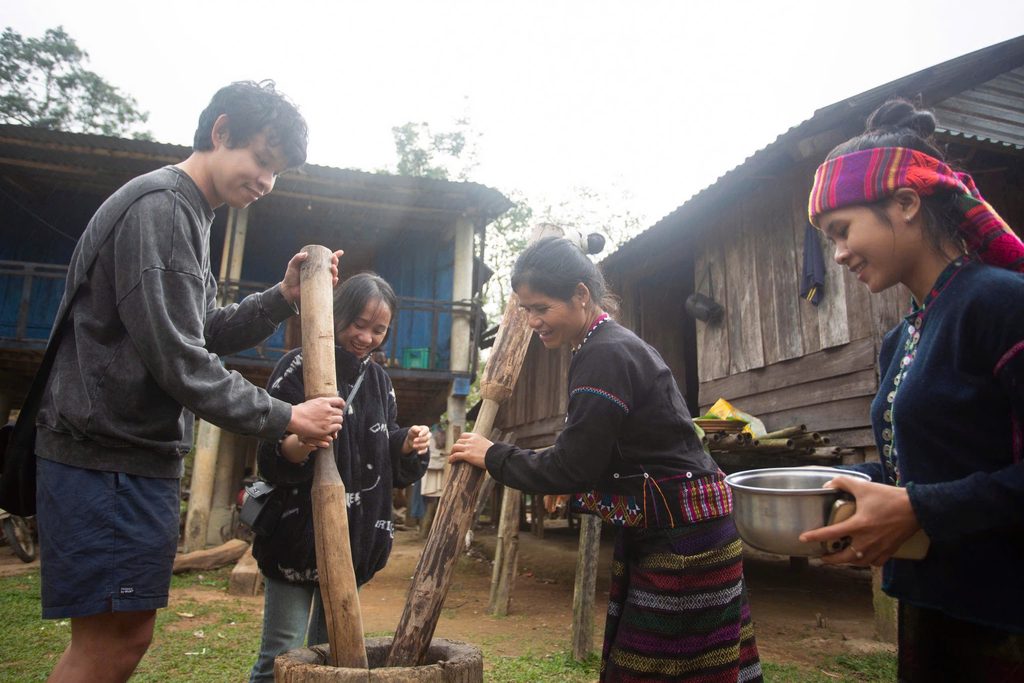
Ayoh cake symbolises the bond between husband and wife.Bru–Van Kieu community members making traditional cakes with visitors in Chenh Venh, Quang Tri
How Ayoh Cake Is Made
The glutinous rice is washed, soaked and steamed until cooked. Black sesame seeds are roasted with a little salt to bring out their aroma. While the rice is still hot, it is transferred to a wooden mortar and pounded together with the sesame seeds.
The ingredients are worked together until they form a smooth, sticky mixture, which is then shaped into round cakes.
Ayoh has a chewy texture, a rich, nutty taste and the distinctive aroma of roasted black sesame. Although the ingredients are simple, pounding the rice takes strength and patience. It must be worked until it becomes smooth, sticky and well combined.
A Cake with Cultural Significance
Ayoh cakes are often prepared for weddings, Lunar New Year celebrations and special guests. In some Van Kieu communities, they also play a role in wedding ceremonies, symbolising the bond between a couple and wishes for a happy future together.
According to some local folk interpretations, the cake’s round shape is associated with the sun, the moon and the Earth. These interpretations reflect traditional cultural beliefs and show that Ayoh is more than just food. It also carries connections to nature and local ways of understanding the world.
In the past, Ayoh was a convenient food for long trips into the forest or to the fields. The cakes could be kept for a relatively long time. When they hardened, people would slice them and toast the pieces over a fire. The heat softened the cake and brought out the aroma of roasted sesame. Ayoh can also be enjoyed with grilled meat or forest greens.
2. Grilled Chicken with Mac Mat Leaves
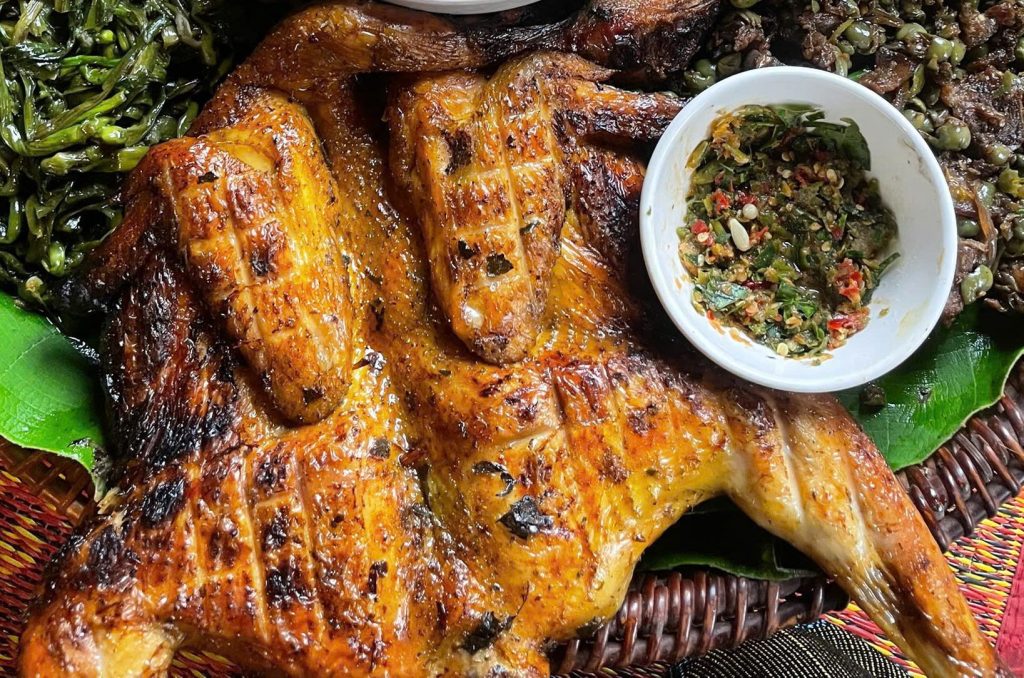
Grilled chicken is loved for its golden skin, smoky aroma and natural sweetness. Mac mat leaves add a distinctive fragrance, giving this local preparation its own character.
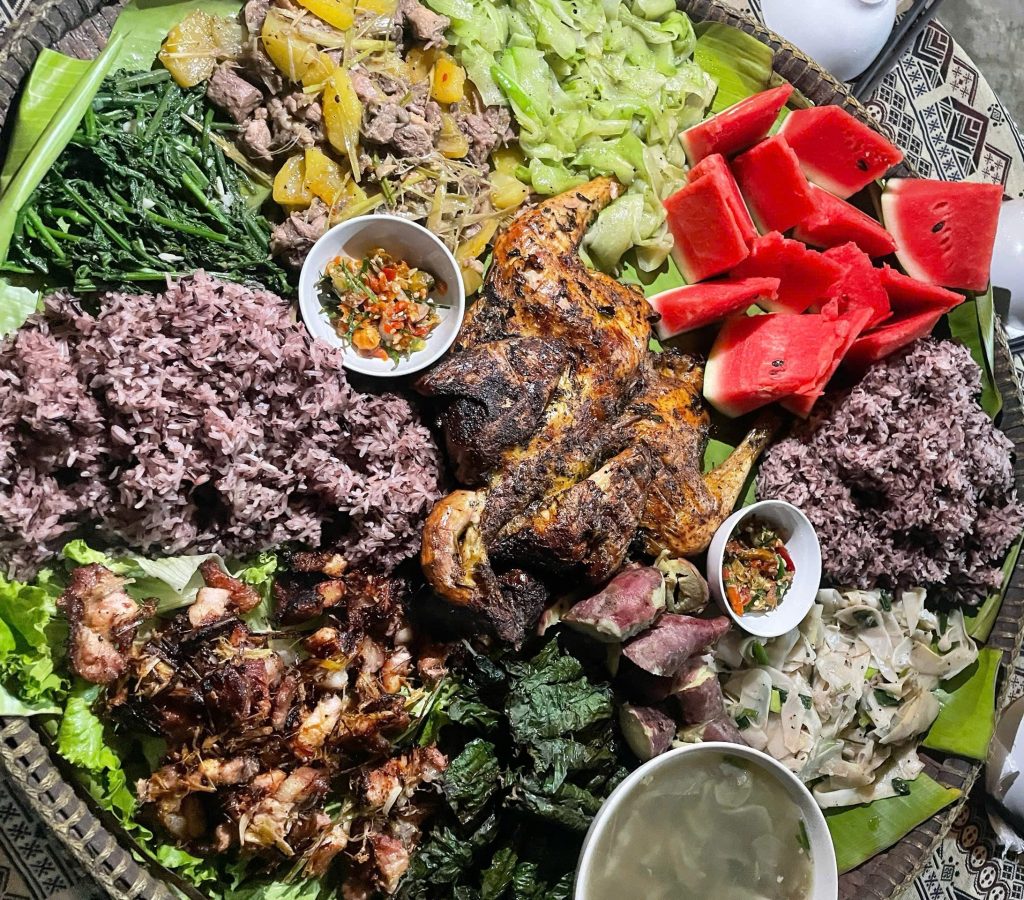
Grilled chicken with mac mat leaves
Marinated and Grilled over an Open Fire
The chicken is cleaned and marinated with seasonings to allow the flavours to penetrate the meat. Mac mat leaves are an important ingredient, lending their characteristic aroma to the dish.
The chicken is grilled over a fire until evenly cooked. The heat is carefully adjusted throughout the process so that the skin turns golden and firm while the meat inside remains tender and juicy.
Each bite brings together the smoky aroma of grilled chicken and the fragrance of mac mat leaves. The seasonings add depth while allowing the chicken’s natural sweetness to shine through.
This dish is well suited to shared meals with family and friends. For the best flavour, enjoy it hot, straight from the grill.
3. Doan Ket Porridge: A Taste of the Mountains
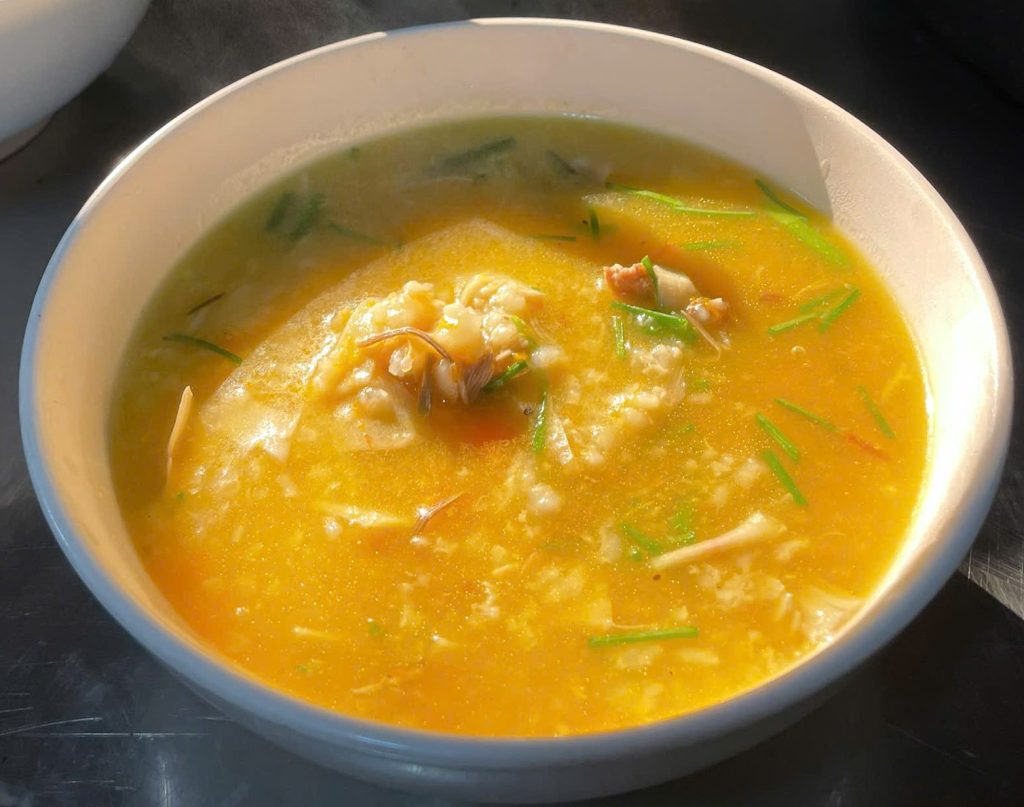
Doan Ket porridge reflects the traditional use of locally available ingredients in the highlands. In parts of the Truong Son region, hearty porridge dishes combine rice with stream fish, pumpkin, bamboo shoots, wild eggplant and forest greens. The ingredients vary by location and season.
Doan Ket porridge
How the Porridge Is Prepared
The stream fish is cleaned and prepared first. Bamboo shoots, wild eggplant, pumpkin and forest greens are then added to the pot along with the fish. The rice is added at the same time. All the ingredients are cooked together until tender and well combined, and the porridge reaches the desired consistency.
The dish is seasoned with salt, chilli and local spices. Depending on the area, people may also add wild pepper or aromatic leaves and shoots.
The combination of ingredients creates a range of flavours. Pumpkin adds sweetness, while the fish gives the porridge a savoury depth. Bamboo shoots, wild eggplant and forest greens contribute their own distinctive notes.
The porridge is often cooked until thick, making it a filling option for a main meal.
The Meaning Behind the Name
In the past, life in the highlands could be challenging. Cooking a shared meal with whatever ingredients were available was a practical way to feed a household or community. Stream fish, forest vegetables and locally gathered produce were combined according to what people could find.
The name Doan Ket, meaning unity or solidarity, evokes the spirit of contributing ingredients, cooking together and sharing a meal. The dish reflects a communal way of life in which people share what they have.
Today, Doan Ket porridge may be introduced at cultural exchanges, highland food events and community-based tourism destinations. Through the dish, visitors can learn more about how local people use available ingredients and adapt to life in the mountains.
4. Cheo Ca Mat: Stream Fish with a Spicy Kick
Cheo ca mat is a traditional dish of the Bru–Van Kieu people, prepared using ca mat fish found in mountain streams. Its distinctive character comes from drying the fish over a fire, pounding the flesh with local seasonings and serving it with sticky rice or vegetable.
Cheo ca (in the bowl on the left) is served as a dipping sauce for vegetables, wild eggplant and bamboo shoots
Dried Fish Pounded with Local Spices
The fish is cleaned, gutted and scaled before being hung above a kitchen fire to dry. In sunny weather, it may also be sun-dried for storage.
Once dry, the fish is taken down, and its head and bones are removed. The flesh is then pounded with coarse salt, chilli, wild pepper and roasted qua ca fruit. The ingredients are combined until the seasonings are evenly mixed into the fish.
Cheo ca mat is often served with sticky rice or forest greens. The fish’s natural sweetness balances the saltiness of the seasoning and the heat of the chilli and wild pepper. The roasted ingredients add another layer of aroma.
A Traditional Way to Preserve Food
Drying fish over the kitchen fire reflects the practical need to preserve food in mountainous areas. Dried fish can be stored and eaten later, making it particularly useful during cold, rainy weather or when fresh food is harder to obtain.
Using fish caught in local streams, the Bru–Van Kieu people have developed a distinctive way of preparing and seasoning it. The process combines traditional preservation methods with locally available ingredients. It takes time and care, from cleaning and drying the fish to pounding it with spices.
While Ayoh cake stands out for its chewy texture and nutty sesame flavour, cheo ca mat offers a more savoury taste with a pronounced chilli heat and the distinctive aroma of wild pepper.
5. Lap Bo: Grilled Beef with Toasted Rice and Herbs
Lap Bo brings together grilled beef, finely pounded toasted rice and aromatic herbs. Rather than simply grilling or stir-frying meat with seasonings, this dish uses toasted rice to add a nutty flavour and fragrant finish.
A Bru–Van Kieu meal featuring lap bo (in the left corner, next to the grilled meat skewers)
Grilled Beef Tossed with Toasted Rice
The beef is grilled until cooked, then finely chopped. Rice is roasted until fragrant and pounded into a fine mixture. The beef is combined with the toasted rice, seasonings and aromatic herbs such as culantro and coriander.
Grilling gives the beef its characteristic smoky aroma. The toasted rice adds nuttiness and fragrance, while the fresh herbs contribute their own distinctive aromas and balance the richness of the meat.
What sets Lap Bo apart is the combination of grilled beef, toasted rice and herbs. Once prepared, the ingredients are mixed thoroughly so that the flavours come together in every bite.
The dish demonstrates how familiar ingredients can be combined to create something distinctive. When tasting lap bo, visitors can enjoy the smoky flavour of grilled beef, the nuttiness of toasted rice and the fresh fragrance of herbs.
Discovering Local Culture Through Cuisine
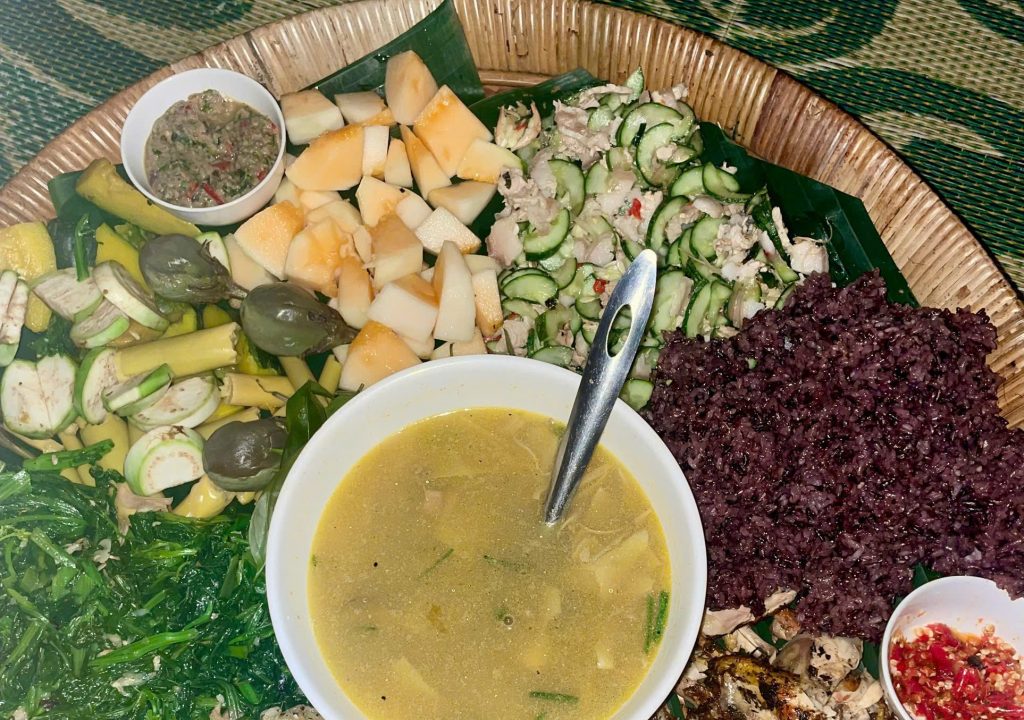
A traditional Bru–Van Kieu meal showcasing the flavours of the mountains and forest
Each dish in the cuisine of the Bru-Van Kieu people of western Quang Tri has its own character. The differences lie in the ingredients, cooking methods and cultural traditions associated with each dish.
Ayoh cake combines chewy sticky rice with roasted black sesame and carries associations with marital bonds and togetherness. Doan Ket porridge brings several local ingredients together in one hearty pot, reflecting a spirit of sharing.
Grilled chicken is distinguished by the fragrance of mac mat leaves. Cheo ca mat combines the savoury taste of stream fish with the heat of local spices. Lap bo brings together grilled beef, finely pounded toasted rice and aromatic herbs.
These rustic dishes add to the culinary diversity of the Truong Son region. Through their ingredients, preparation and flavours, visitors can gain a deeper understanding of the daily lives, customs and close relationship between the Bru-Van Kieu community and the surrounding mountains and forests.
Bru–Vân Kiều community tourism offers a closer look at local culture, village life, and nature in western Quang Tri. Discover what to expect and what to keep in mind before visiting a village.