
When choosing a tour, many travelers focus on the destination, itinerary, and price. However, a tour guide’s skills also have a direct impact on the overall experience.
A good tour guide needs solid knowledge, strong communication skills, and the ability to handle unexpected situations. These qualities become even more important on cave exploration trips, trekking adventures, and cultural experiences with local communities.
Local Knowledge That Brings Places to Life
Local knowledge helps tour guides explain the places visitors explore. They need a good understanding of local history, culture, terrain, and the stories connected to each destination.
For example, when visiting Hien Luong Bridge and the Ben Hai River, a guide should explain the temporary military demarcation line and its historical significance. At Quang Tri Ancient Citadel or Vinh Moc Tunnels, accurate information and clear storytelling can add depth to the visit.
From Quang Binh: Quang Tri DMZ tour – Step back in time
On nature-based trips, guides also need to understand the local terrain and environment. Knowledge of the ecosystem helps them explain what travelers see along the way, giving visitors a better understanding of the areas they explore.
Safety Awareness and Risk Management
Safety is a key responsibility for tour guides, especially on cave exploration and trekking trips. Guides need to understand the route, know how to use the equipment, and recognize potential risks.
On cave exploration tours to Cha Loi or Kieu Cave, guides should explain the safety rules and demonstrate how to use headlamps and helmets. Life jackets must also be worn when required by the activity. Throughout the trip, guides need to monitor the condition of everyone in the group.
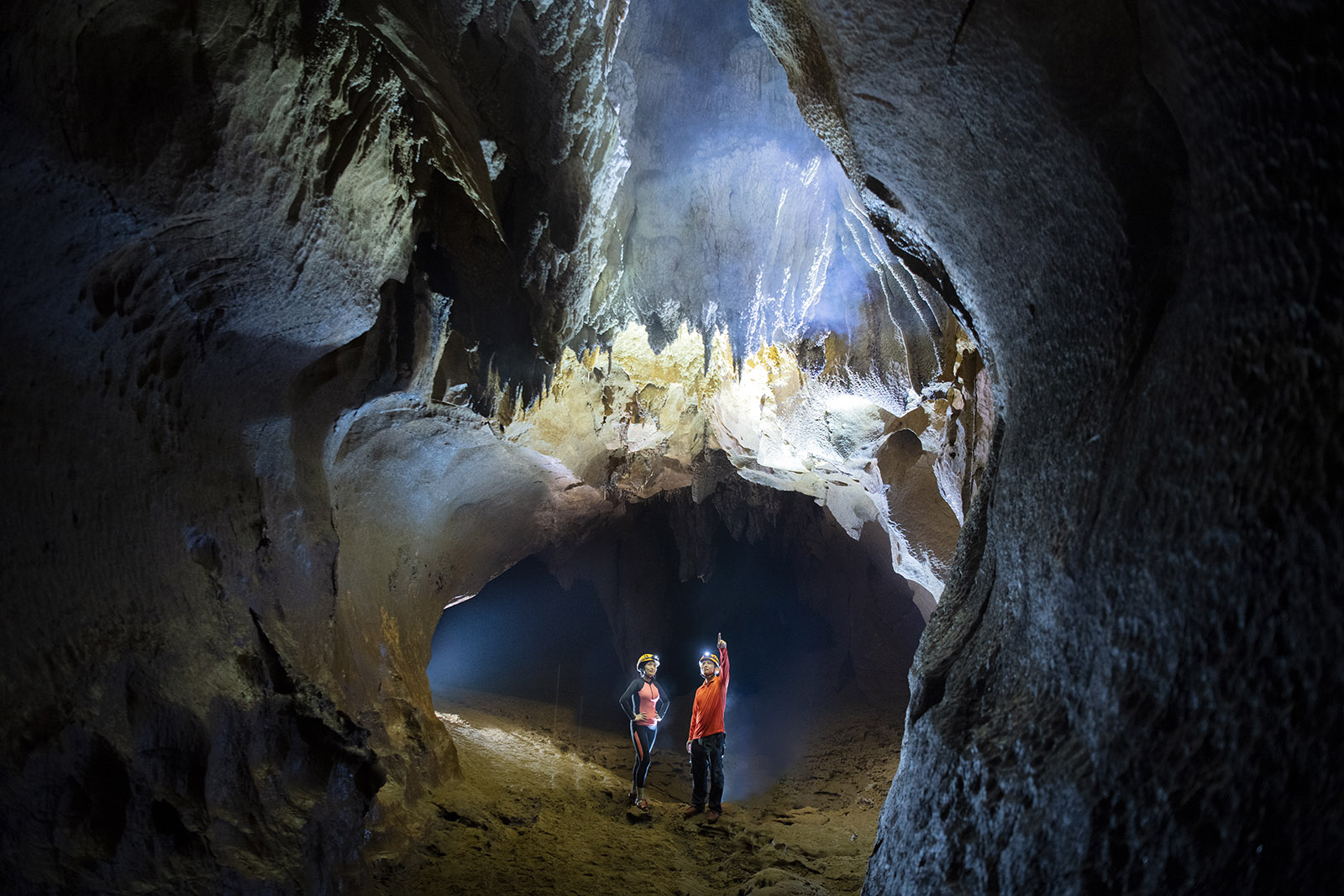
On Pa Thien–Voi Mep trekking trips and the Duong Cam waterfall conquering and Cong Troi Waterfall adventure, the ability to assess terrain is essential. Guides need to monitor each participant’s physical condition, recognize signs of fatigue, and remind the group to maintain an appropriate pace. If anything unexpected happens, they must coordinate a timely response.

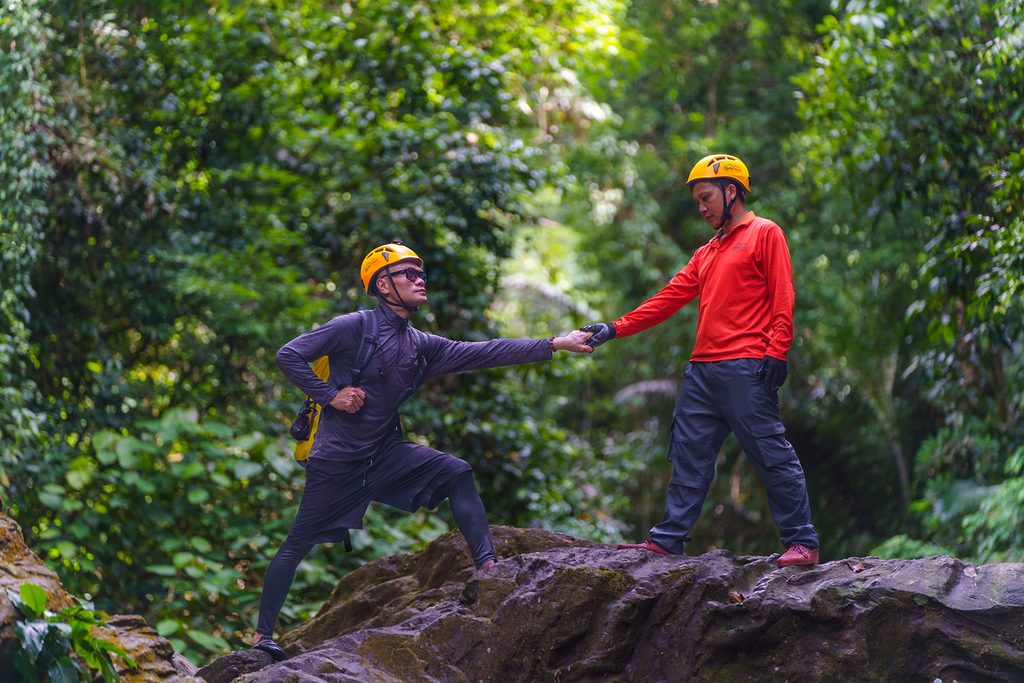
Clear Communication and Active Listening
Tour guides need to communicate information clearly, concisely, and at the right time. Travelers should know the day’s itinerary, meeting times, travel durations, and important precautions before each activity.
Listening is just as important. Guides need to pay attention to questions, feedback, and individual difficulties so they can provide timely support.
This is particularly useful on cave tours and trekking trips that involve long periods of travel on foot. By checking in with the group regularly, guides can assess how everyone is doing and adjust their support accordingly.
Good communication also helps prevent misunderstandings between guides and travelers. As a result, activities can run more smoothly and according to a clear plan.
Respect for Local Culture and Community Life
On trips that combine nature exploration with cultural experiences, guides need to understand local customs, traditions, and everyday life.
In villages such as Coi Da, guides can introduce visitors to daily activities, traditional crafts, and distinctive aspects of local culture. Information should be accurate and presented thoughtfully, without one-sided interpretations or reducing local culture to simplistic stories.
This knowledge helps travelers gain a more authentic understanding of local life. Guides also act as a bridge between visitors and the community, helping create more meaningful travel experiences.
Adapting When Plans Change
Not every trip goes exactly as planned. Weather conditions, terrain, or a traveler’s physical condition may require adjustments to the itinerary.
On Pa Thien–Voi Mep treks and cave exploration trips, guides need to assess the situation on the ground and decide whether to continue or adopt an alternative plan. Any changes affecting safety or the itinerary should be clearly communicated to the group.
Handling unexpected situations also involves adjusting the schedule and assisting participants who encounter difficulties. Guides need to maintain good coordination among group members throughout the journey.
Being flexible does not mean changing plans arbitrarily. What matters is making decisions that suit the actual conditions, prioritizing safety, and keeping travelers informed.
Share Your Expectations for Your Tour Guide with Netin Travel
When contacting Netin Travel, you can share your expectations for your tour guide alongside your questions about the itinerary, duration, and tour price.
Would you like to learn more about local history? Are you looking for guides with experience leading cave exploration or trekking trips? Or would you prefer someone who can help you connect with local culture and community life?
Let us know what matters most to you. The Netin Travel team will recommend a suitable itinerary and provide relevant information about your trip, helping you prepare for the journey ahead.
At Netin Travel, a fulfilling trip starts with understanding what travelers expect and choosing an itinerary that suits their needs.
