Canyoning in Vietnam: What First-Time Travelers Should Know
Khanh Chi
09:15 - 18.09.2026
Canyoning is one of the most exciting ways to explore nature. Instead of simply standing and admiring a waterfall, you can immerse yourself in cool, refreshing streams, trek through the forest, navigate rocky cliffs, and listen to the incredible sounds of nature and wildlife.
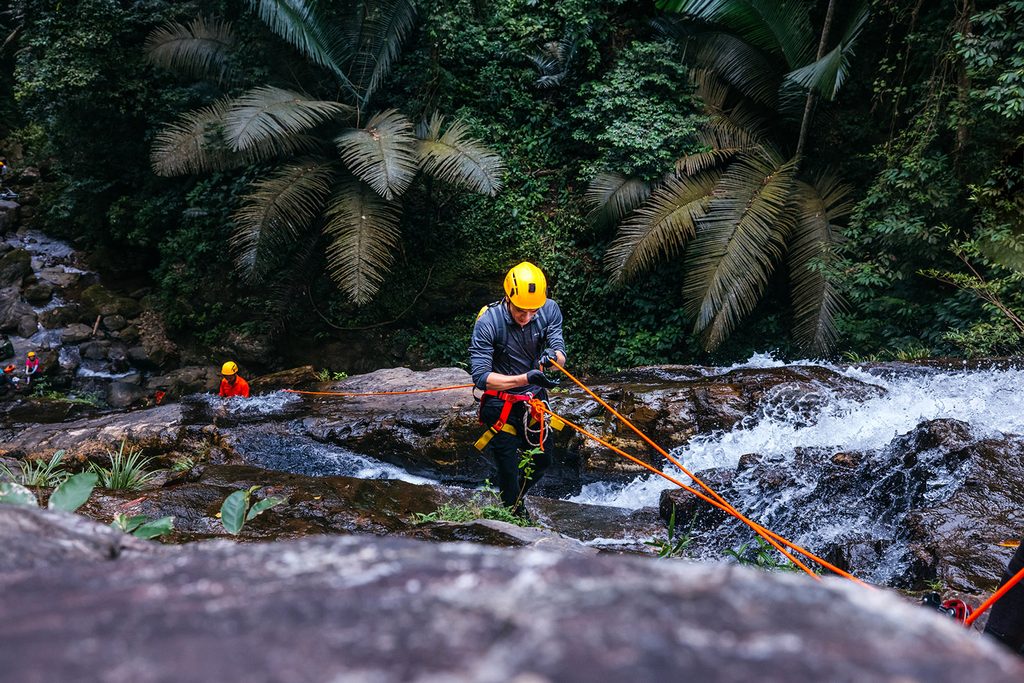
Canyoning is one of the most exciting ways to explore nature
For those hearing about canyoning for the first time, the experience can be both exciting and a little intimidating. There are so many questions: Do you need previous climbing experience? Do you need to know how to swim? Is canyoning dangerous? Can people with average fitness take part?
The answer depends on the route. However, for a professionally organized canyoning experience, the most important thing is not whether you have done it before, but whether the route is suitable for your fitness level, skills, and preparation.
Canyoning is an outdoor adventure activity that involves traveling through and exploring natural canyons, streams, and waterfalls.
Depending on the terrain, a canyoning trip may include:
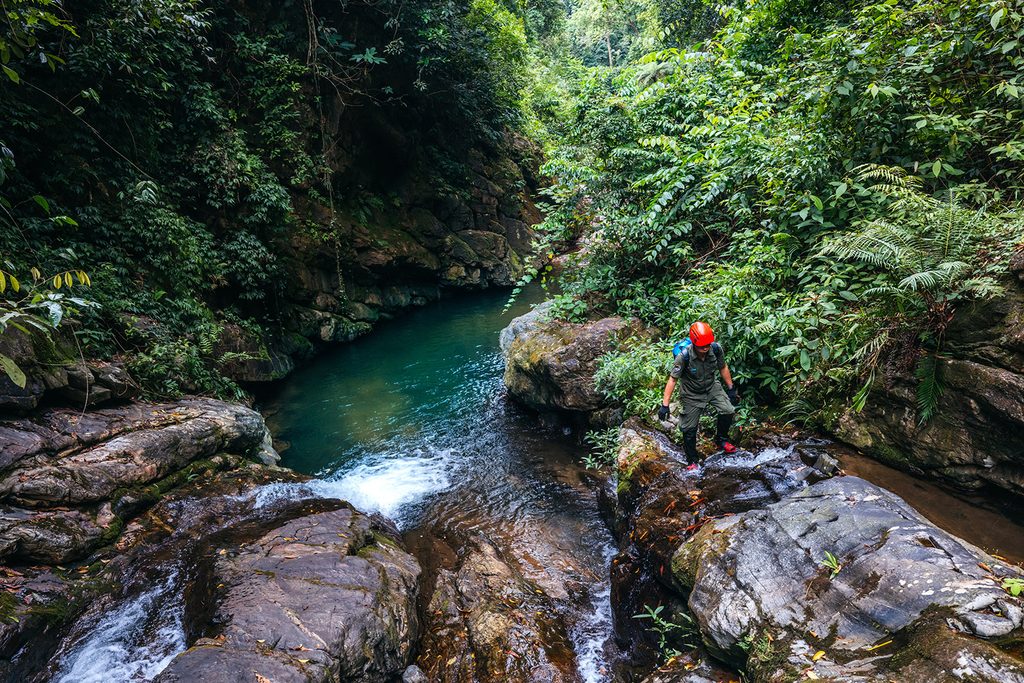
Trekking/Hiking: Moving through mountainous terrain, forests, and rugged streambeds.
Swimming/Wading: Moving through natural pools or flowing water.
Natural Watersliding: Sliding down smooth rock surfaces shaped by flowing water.
Rappelling: Using ropes and specialized equipment to descend cliffs or waterfalls.
Cliff Jumping: Jumping from a rock ledge into a deep natural pool below.
Canyoning is therefore much more than simply “climbing a waterfall.” It combines a variety of outdoor skills and activities. What makes canyoning different from a conventional sightseeing experience is that you do not simply observe nature from the outside. You become part of the landscape.
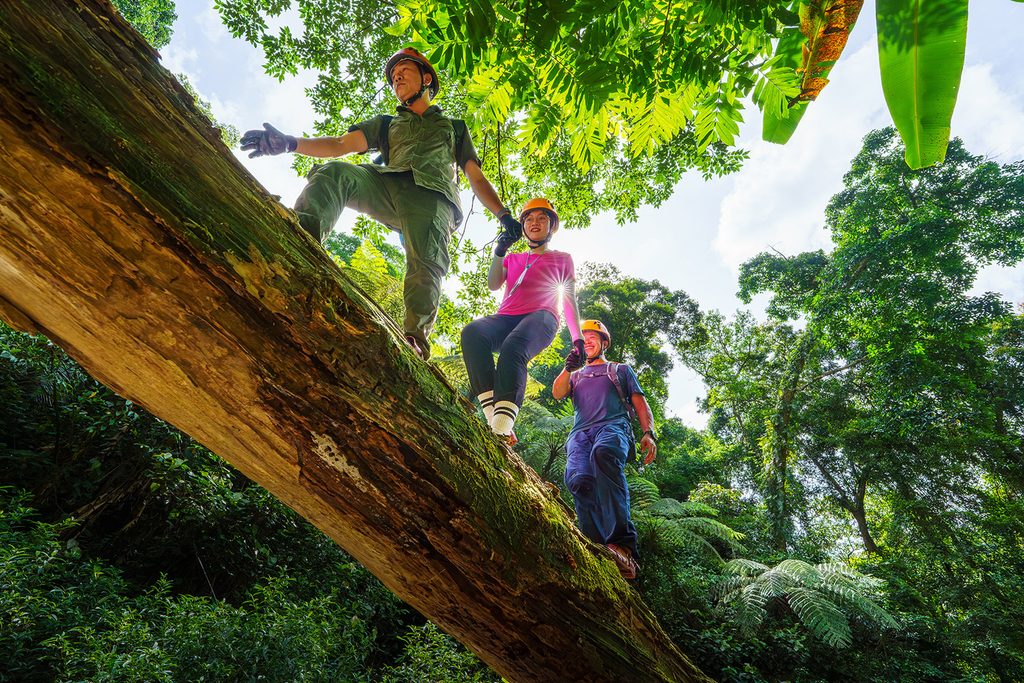
Forest Trekking: Part of the Canyoning Adventure
Is Canyoning Difficult?
There is no single level of difficulty for all canyoning tours. Some routes are suitable for beginners, while others require greater experience and physical fitness.
The difficulty of a canyoning route usually depends on:
The height and number of waterfall descents
The steepness of the terrain
The total duration of the activity
Weather conditions
Water levels
Your ability to move safely over wet and slippery rocks
Your overall endurance
Therefore, before booking a canyoning tour, carefully check the physical requirements and ask the tour operator if you are unsure whether the experience is right for you.
Can Beginners Try Canyoning?
Yes — if you choose the right route. You do not need to be an athlete or an experienced climber to try canyoning. However, you should be able to walk for an extended period, maintain your balance on uneven terrain, and feel comfortable being active around water.
More importantly, be honest about your fitness level when booking a tour. If you get tired easily during long walks, are afraid of heights, or are uncomfortable in the water, let the tour operator know. A responsible operator should help you understand the experience before you start, rather than simply trying to sell you a tour.
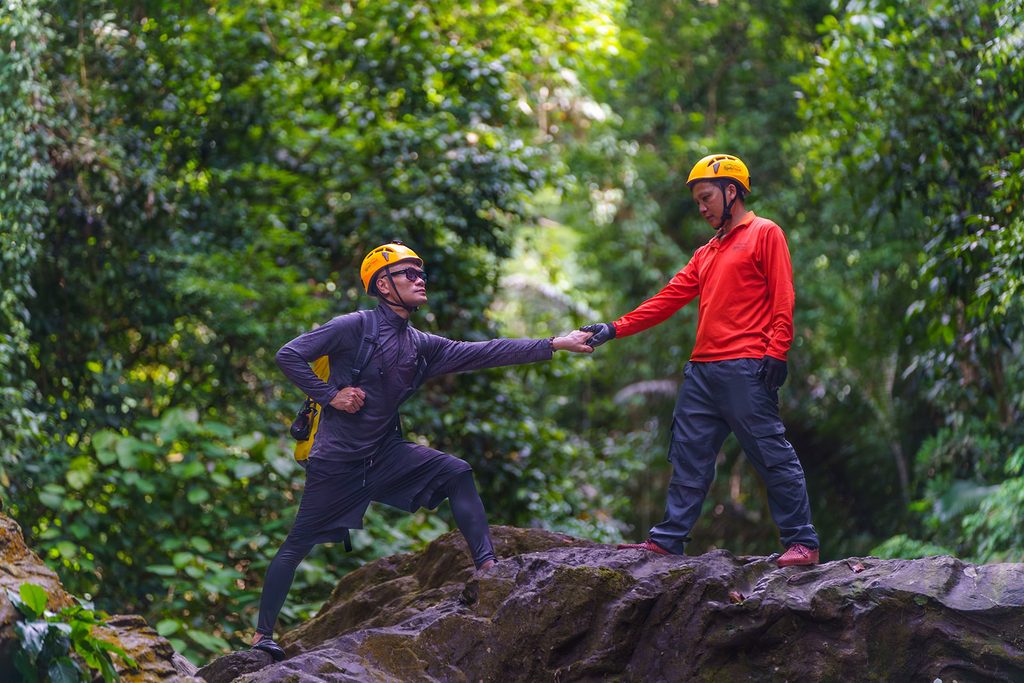
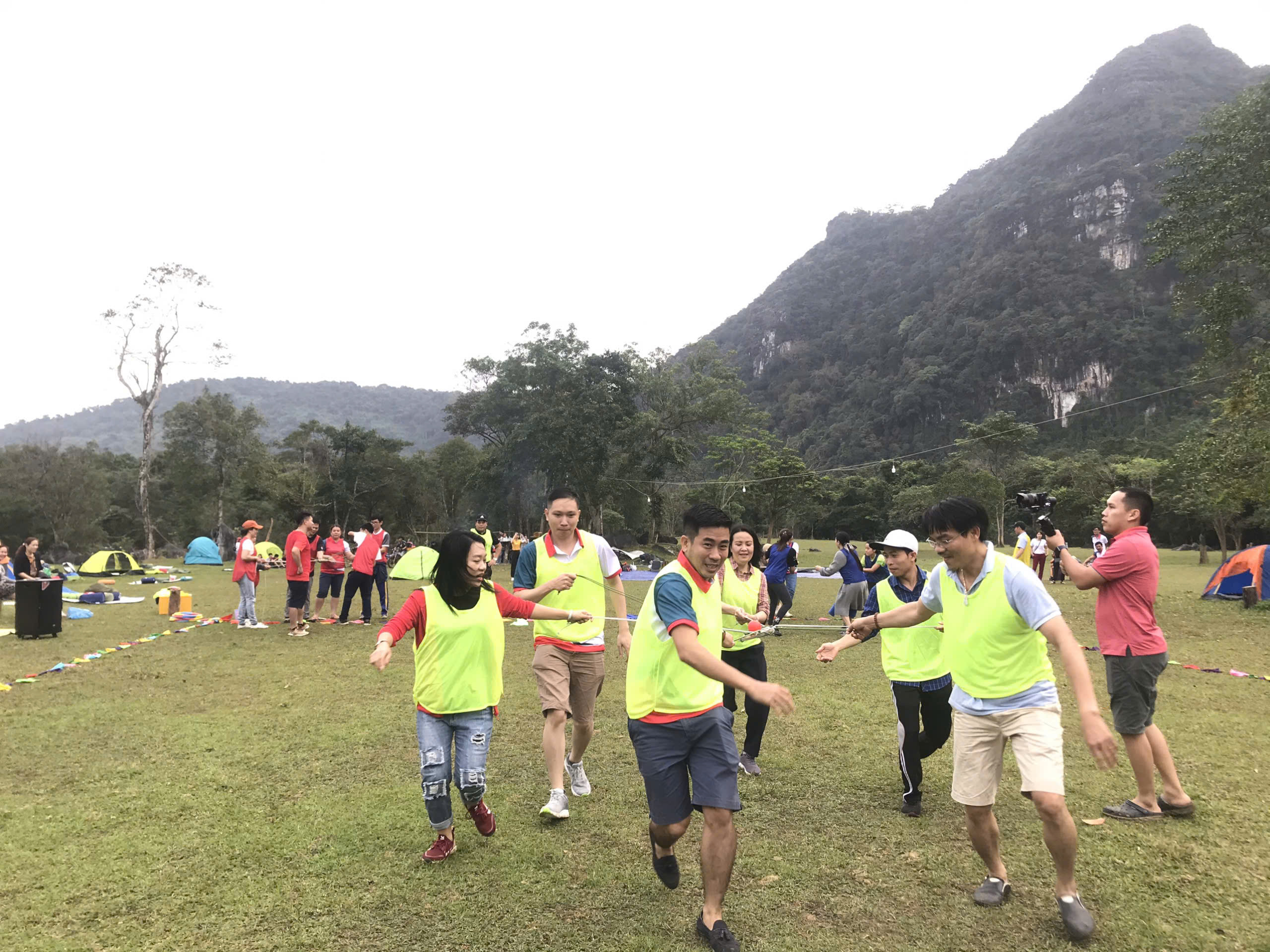
Canyoning for Beginners: Choose the Right Route
What Should You Prepare?
A canyoning trip does not require a lot of luggage, but bringing the right things can make a big difference to your experience.
We recommend bringing:
Shoes with good grip that are suitable for wet terrain
Quick-drying clothes
Sun protection, including sunscreen and sun-protective clothing
Drinking water
Personal medication, if needed
A small, lightweight backpack
A change of clothes for after the trip
Avoid bringing bulky items or belongings that could easily be damaged by water. In particular, if you want to take photos during the adventure, make sure your phone or camera is properly protected with suitable waterproof equipment.
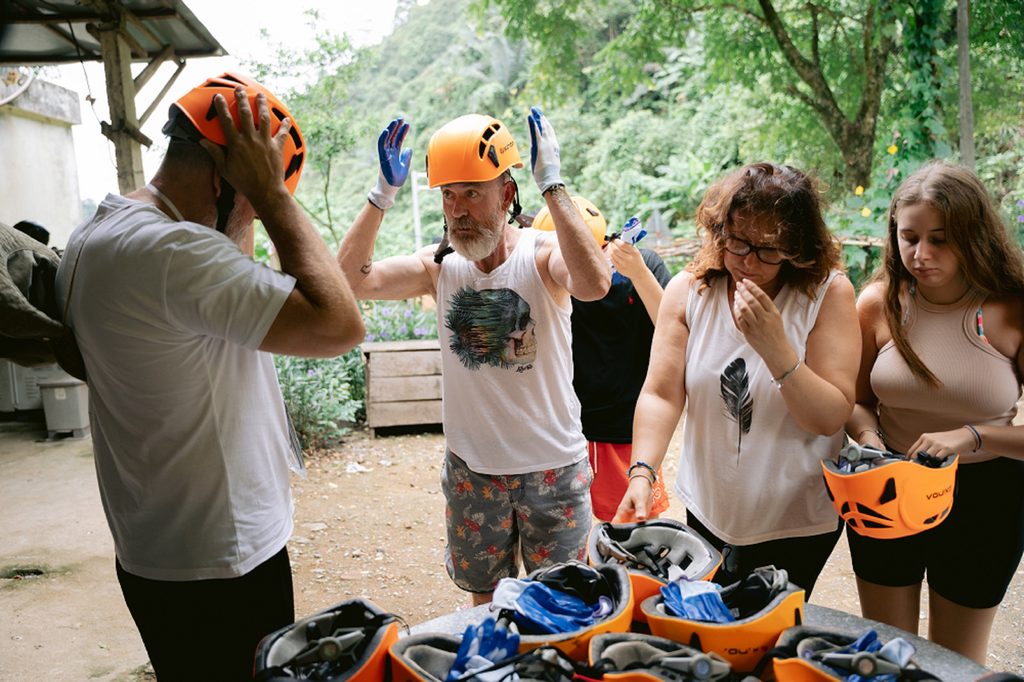
The tour operator will also provide the necessary safety equipment for the activity and explain how to use it, along with the safety rules and requirements, before the adventure begins.
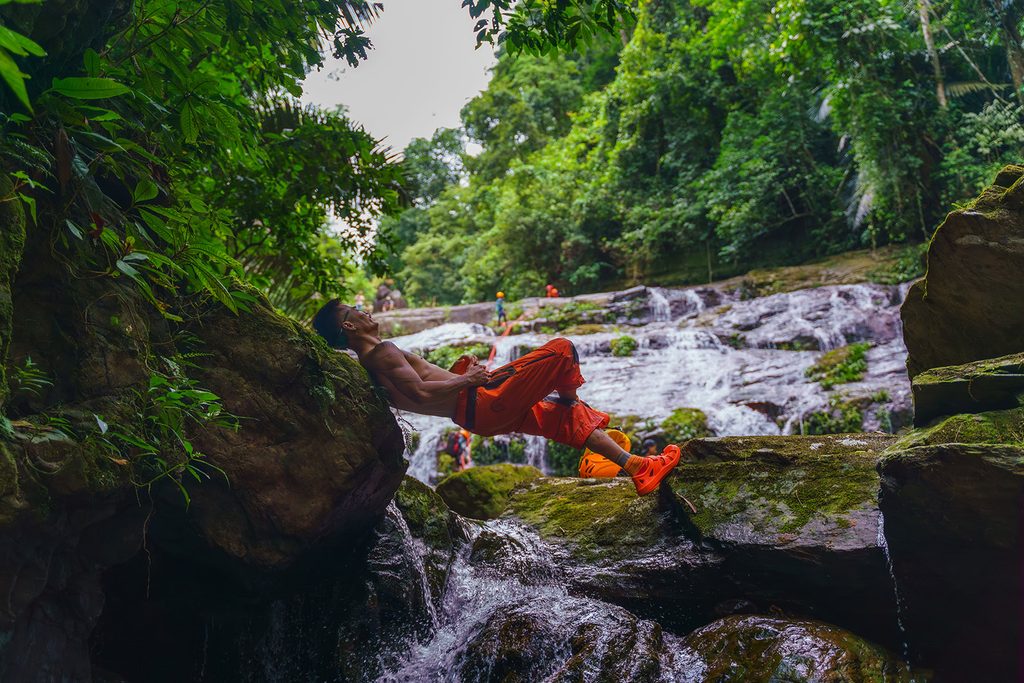
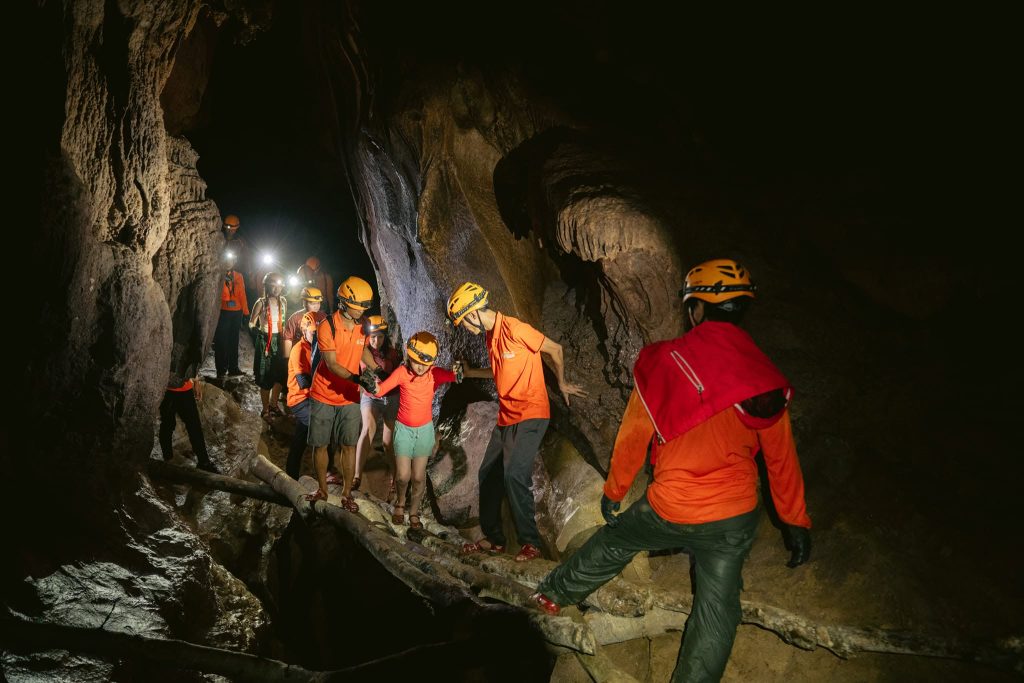
Essential Safety Gear for Canyoning
Is Canyoning Safe?
Canyoning always involves certain natural risks. Rocks can be slippery, weather conditions can change, and forest and stream environments can vary from one day to another. Therefore, “safe” does not mean that there are no risks. Safety comes from identifying and managing those risks properly.
A well-organized canyoning experience should include:
Guides who are familiar with the terrain
Weather and route-condition checks
Appropriate safety equipment
A safety and technical briefing before the activity
Clear rules for group movement and safe distances
An emergency response plan
A willingness to change or cancel the itinerary if natural conditions become unsafe
Do not hesitate to ask the tour operator about these safety measures before your trip.
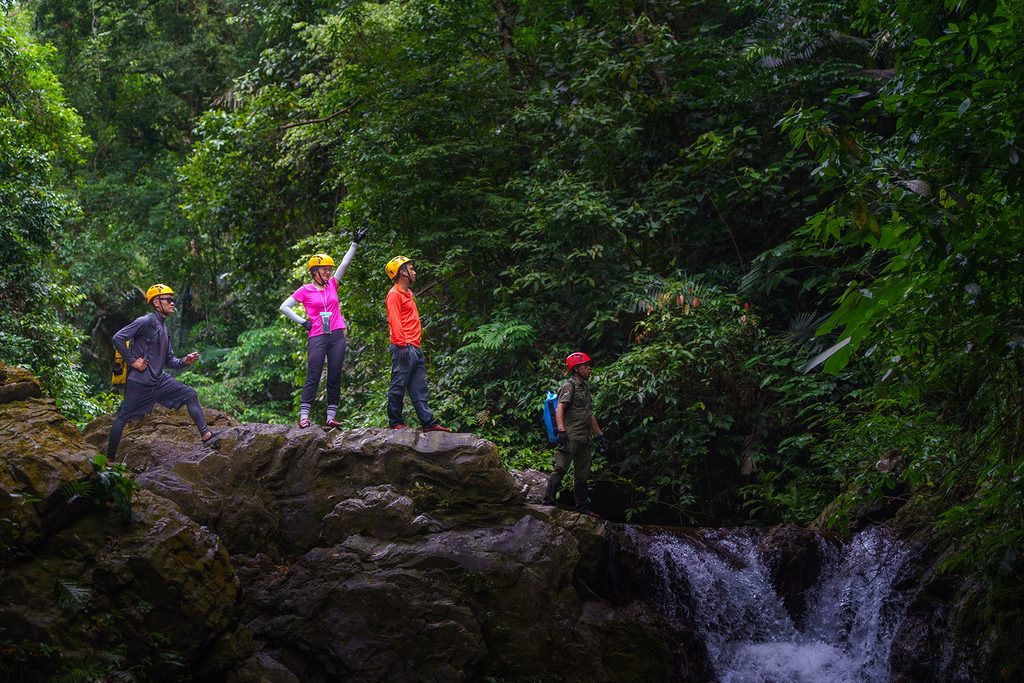
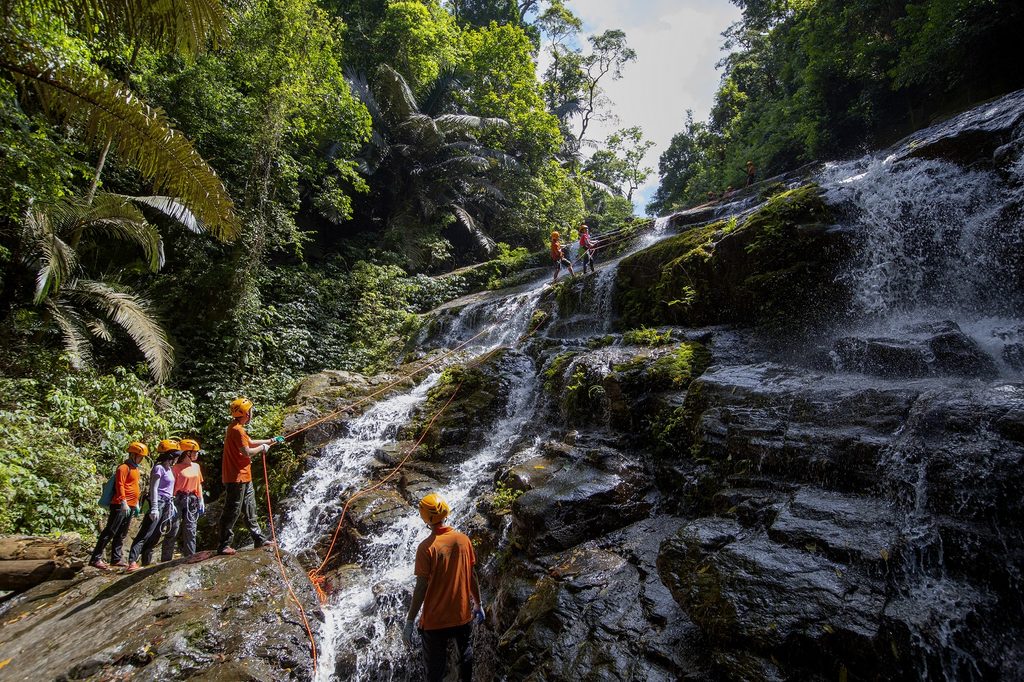
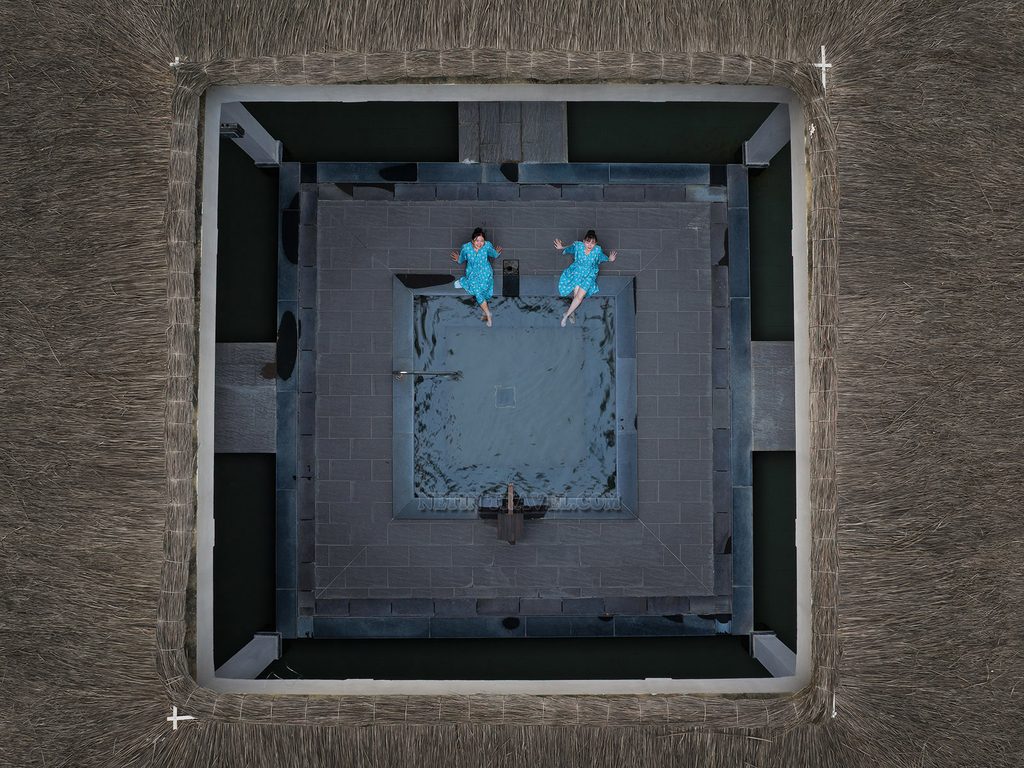
Different Terrain, One Canyoning Adventure
Why Is a Local Guide Important?
A Local Guide Makes All the Difference
On a canyoning trip, a guide is much more than someone who simply leads the way.
A local guide often has first-hand knowledge of:
The terrain
Local weather conditions
Water levels and currents
Slippery or difficult sections
Seasonal changes to the route
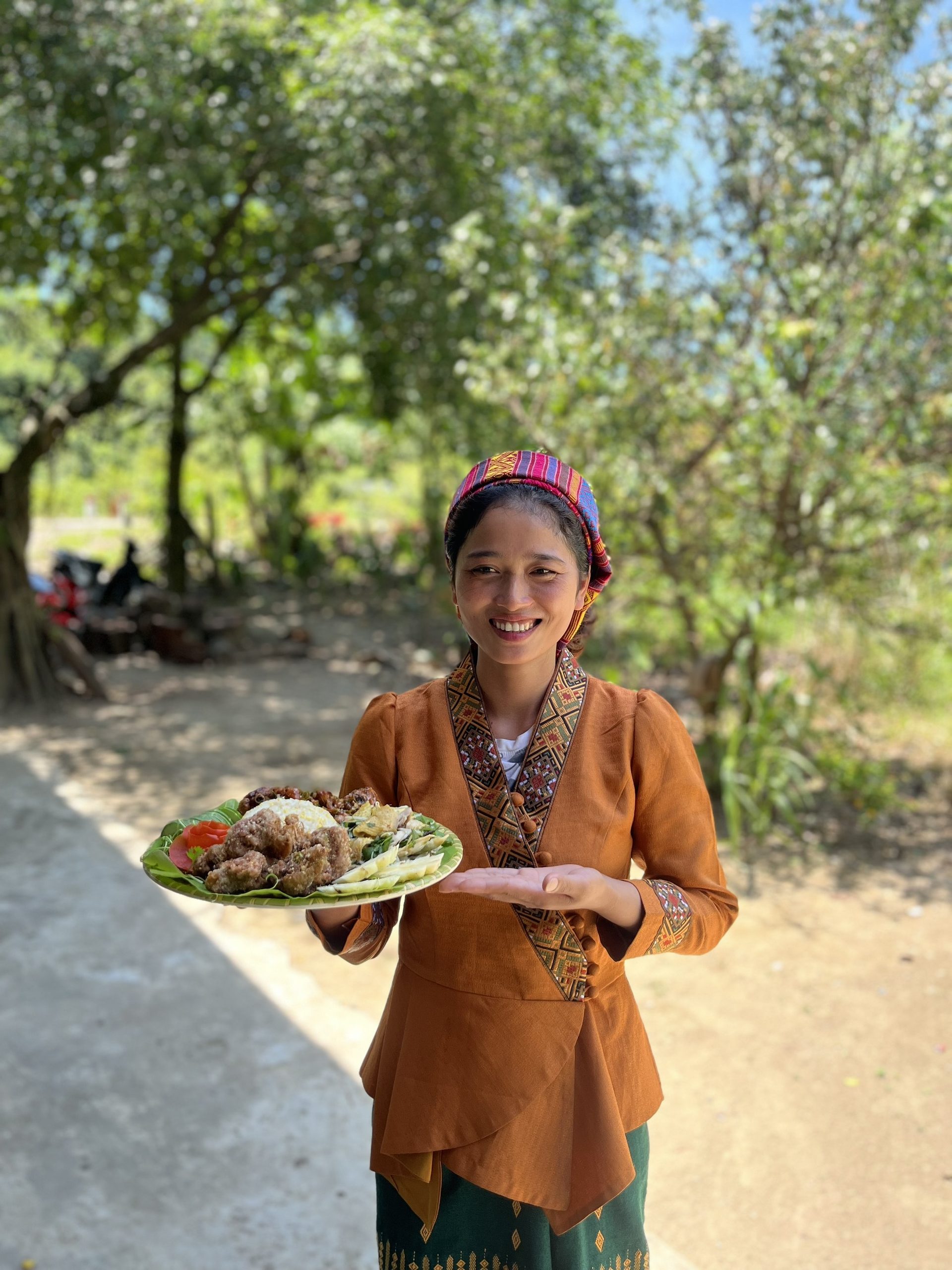
The culture and communities surrounding the area
This is the kind of knowledge that cannot always be found on Google Maps or in a travel blog. And sometimes, the greatest value of a local guide is not helping you move faster, but knowing when to continue and when to stop.
Canyoning Is More Than an Adrenaline Rush
Immersed in Nature Through Canyoning
What people remember most about canyoning is not necessarily the moment they descend a waterfall. It might be the sound of water flowing through the forest. The feeling of stepping across wet rocks. A part of the forest they had never seen from the outside. Or simply the moment when they realize they have accomplished something they once thought they could not do.
That is why we believe adventure travel is about more than adrenaline. It is a combination of nature, people, challenge, and discovery.
Canyoning at Dương Cầm Waterfall – A Different Way to Explore Nature
Canyoning at Dương Cầm Waterfall, located within the Động Châu – Khe Nước Trong Nature Reserve
In Central Vietnam, canyoning at Dương Cầm Waterfall, located within the Động Châu – Khe Nước Trong Nature Reserve, is an experience worth discovering.
Exploring the pristine forest through canyoning, accompanied by a professional team of local guides and friendly ethnic minority porters, offers a truly immersive way to experience nature. It is more than an adventure — it is a journey to experience life differently.
Are You Ready to Experience It?
Discover Netin Travel‘s adventure experiences in Central Vietnam and find the journey that is right for you.
Bru–Vân Kiều community tourism offers a closer look at local culture, village life, and nature in western Quang Tri. Discover what to expect and what to keep in mind before visiting a village.
Traveling in Quang Tri with kids? Find practical tips on choosing destinations, activities, travel times, breaks, and tours based on your child’s age and fitness.