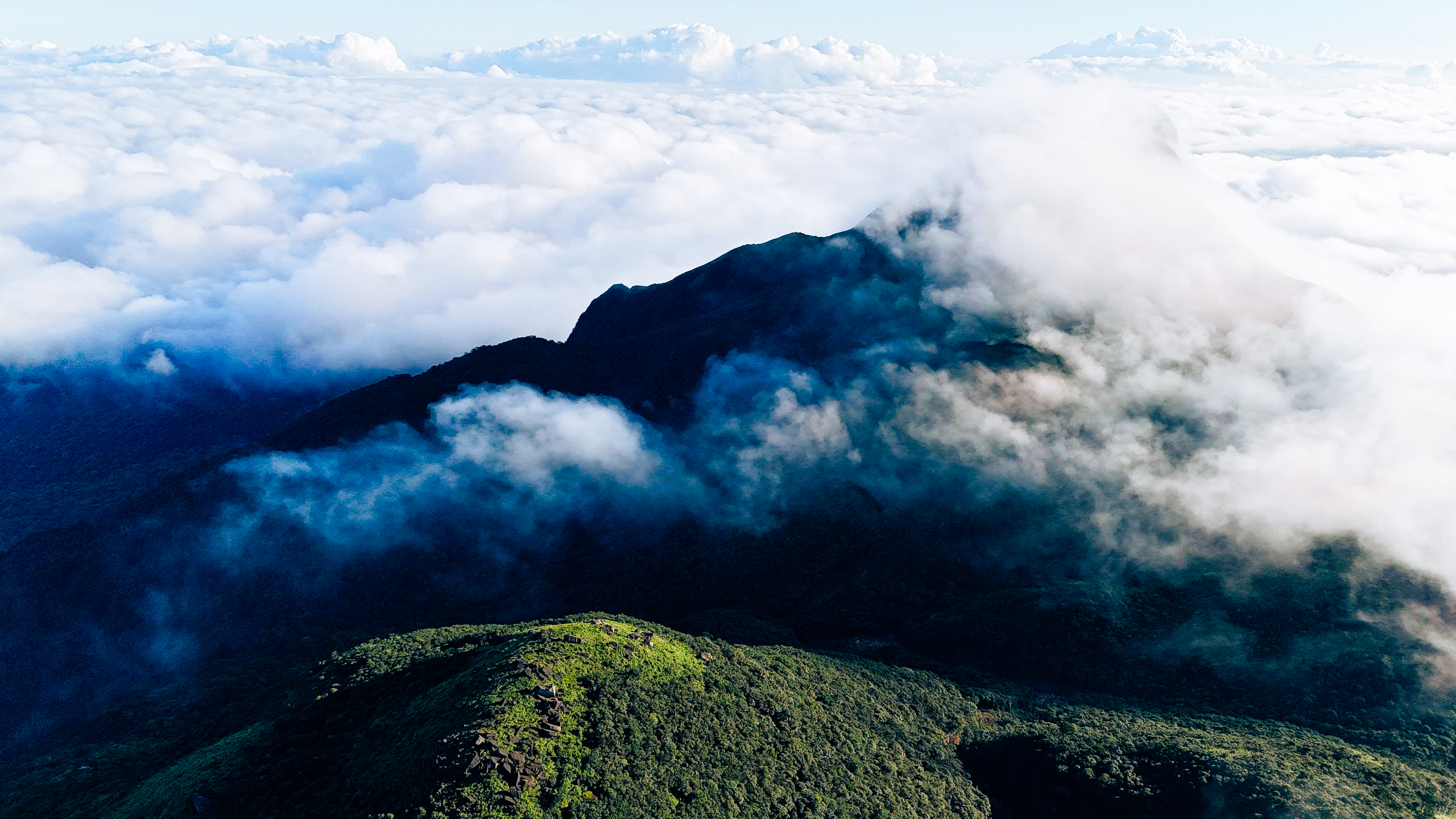
Phong Nha is famous for its limestone mountains, vast cave systems, and underground rivers. Inside these caves, visitors can see towering chambers, rock formations, and stalactites in a variety of shapes. Many of these features have taken an incredibly long time to form.
But how did these caves come into existence? Why are there vast hollow spaces inside limestone mountains? And how do underground rivers flow through some of them?
To understand how Phong Nha’s caves formed, it helps to start with the origins of limestone mountains and the role water plays in shaping them.
Phong Nha – Ke Bang National Park lies within a vast limestone region known for its distinctive karst landscape. This landscape has evolved over hundreds of millions of years.
Karst terrain develops mainly when water dissolves soluble rocks, especially limestone. Over time, this process creates a variety of landforms, including limestone mountains, cracks, valleys, sinkholes, and caves.
In Phong Nha – Ke Bang, limestone formations occur alongside other types of rock. The area has experienced multiple phases of geological activity, while water has continued to shape the rocks over long periods. Together, these processes have created the region’s distinctive limestone mountains, extensive cave systems, and underground rivers.
How Limestone Mountains Form
Much of the limestone in Phong Nha – Ke Bang originated from calcium-rich materials that accumulated beneath ancient seas. These materials included seashells and the remains of marine organisms, as well as minerals deposited on the seabed.
Over time, layers of sediment built up, became compacted, and cemented together to form limestone.
The Earth’s crust then continued to move over successive geological periods. These movements shifted and uplifted rock layers, while also creating fractures and changing the structure of the rock.
Over millions of years, limestone that once lay beneath ancient seas became part of the landscape we see on land today. However, the limestone mountains did not form through a single episode of uplift. Their present-day appearance reflects many geological processes that unfolded over a very long period.
How Caves Form
Once limestone was exposed on land, water continued to reshape both its surface and its internal structure.
Rainwater can absorb carbon dioxide as it passes through the air and soil, forming a weak acid. When this slightly acidic water seeps into limestone, it gradually dissolves some of the minerals in the rock.
At first, water usually flows through existing cracks and tiny fissures. Over time, these openings widen as water continues to pass through them. Eventually, this process can create hollow spaces, underground passages, and caves.
Cave formation is a slow process. Yet over thousands to millions of years, water can gradually carve out enormous spaces within limestone mountains.
The dissolution of limestone is one of the key processes responsible for the extensive cave systems of Phong Nha – Ke Bang.
Stalactites and Stalagmites
Water seeping through limestone can carry dissolved minerals into caves. When this water drips from the ceiling, some of its carbon dioxide escapes. The resulting chemical changes cause minerals to precipitate in very thin layers.
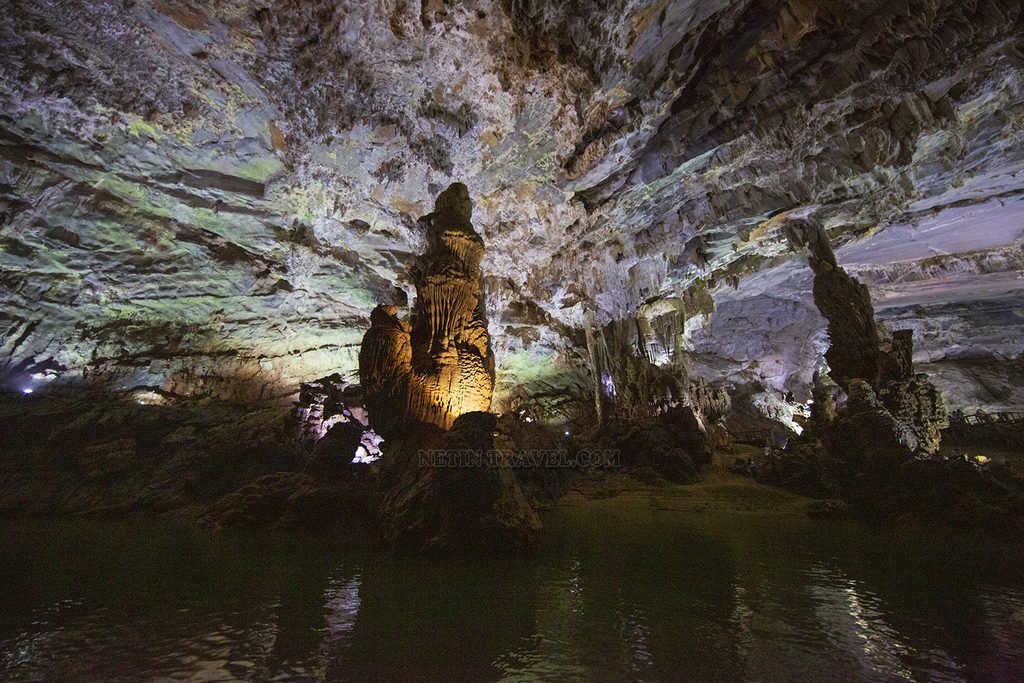
Over time, these layers accumulate and gradually form stalactites and stalagmites of different shapes.
Two common formations are:
Stalactites: Form on cave ceilings and grow downward as mineral-rich water drips from above.
Stalagmites: Grow upward from cave floors where water droplets fall and deposit minerals.
Given enough time, a stalactite and a stalagmite may eventually meet, forming a column that connects the ceiling to the floor.
The shape and size of these formations depend on several factors, including the amount of water, its mineral content, and conditions inside the cave. These natural structures often take a very long time to develop.
Phong Nha Cave sparkles with stalactites and stalagmites
Underground Rivers
Rainwater does not simply flow across the land. Some of it seeps into the ground and enters cracks within limestone mountains.
As these passages gradually widen, water can collect and flow underground. Depending on the geological structure and the amount of water, some caves contain streams or underground rivers, while others remain relatively dry.
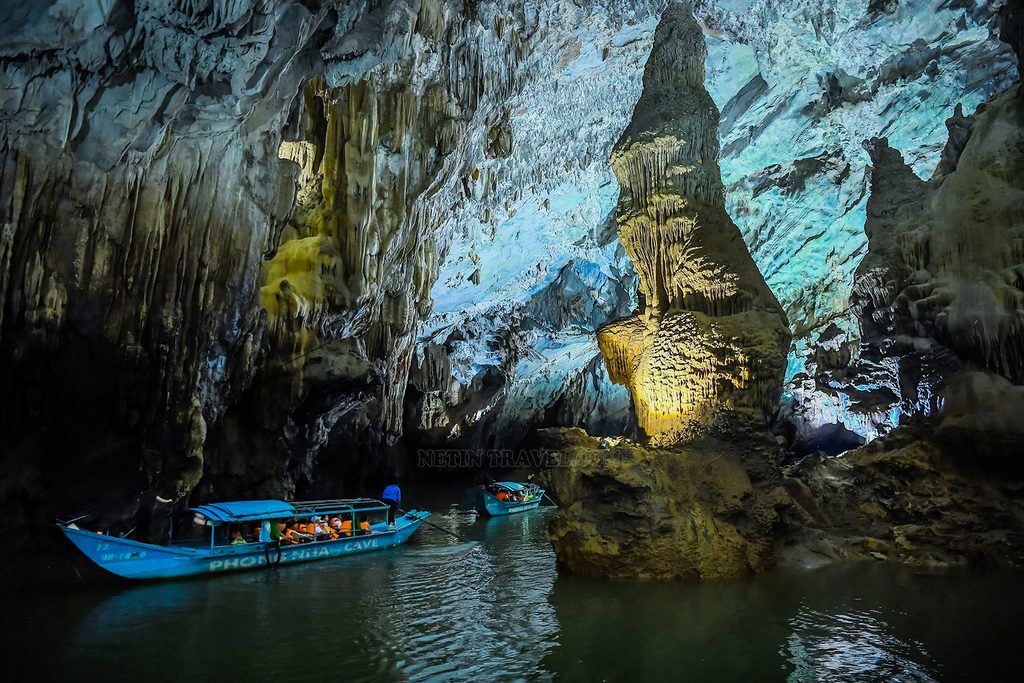
Underground rivers are a distinctive feature of the karst landscape in Phong Nha – Ke Bang. Water helps create the caves and continues to reshape the underground channels over time.
The structure of a cave and the flow of water through it can therefore reveal clues about the area’s geological history.
The underground river inside Phong Nha Cave
Phong Nha’s Unique Landscape
Phong Nha – Ke Bang is remarkable for more than its number of caves. The region features a diverse landscape both above and below ground.
Limestone mountains, valleys, underground rivers, and caves have developed through a series of interconnected natural processes. Geological movements shaped the rock formations, while water gradually eroded and dissolved the limestone. Together, these processes have continually transformed the landscape.
Geological features and formations provide valuable evidence that helps scientists understand how the region developed. This is one of the reasons Phong Nha – Ke Bang is internationally recognized for its geological and geomorphological significance.
Explore Phong Nha’s Caves
There are several ways to explore the caves of Phong Nha, depending on your interests and how active you want your adventure to be.
Visit Phong Nha Cave by boat: Travel along the Son River before entering the cave by boat. Along the way, you can admire natural rock formations and stalactites inside the cave.
Explore caves by kayak and on foot: Combine kayaking with a hike to experience the cave environment from different perspectives. This adventure offers opportunities to observe the terrain and explore the spaces inside the cave.
Each experience offers a different perspective on Phong Nha’s limestone landscape and underground world. Choose an adventure that suits your interests, fitness level, and available time.
The Story Behind the Caves
The caves of Phong Nha formed through successive stages of geological change. Their development involved the structure of the rock, movements of the Earth’s crust, and the long-term effects of water. Together, these processes created vast underground chambers, subterranean rivers, and remarkable mineral formations.
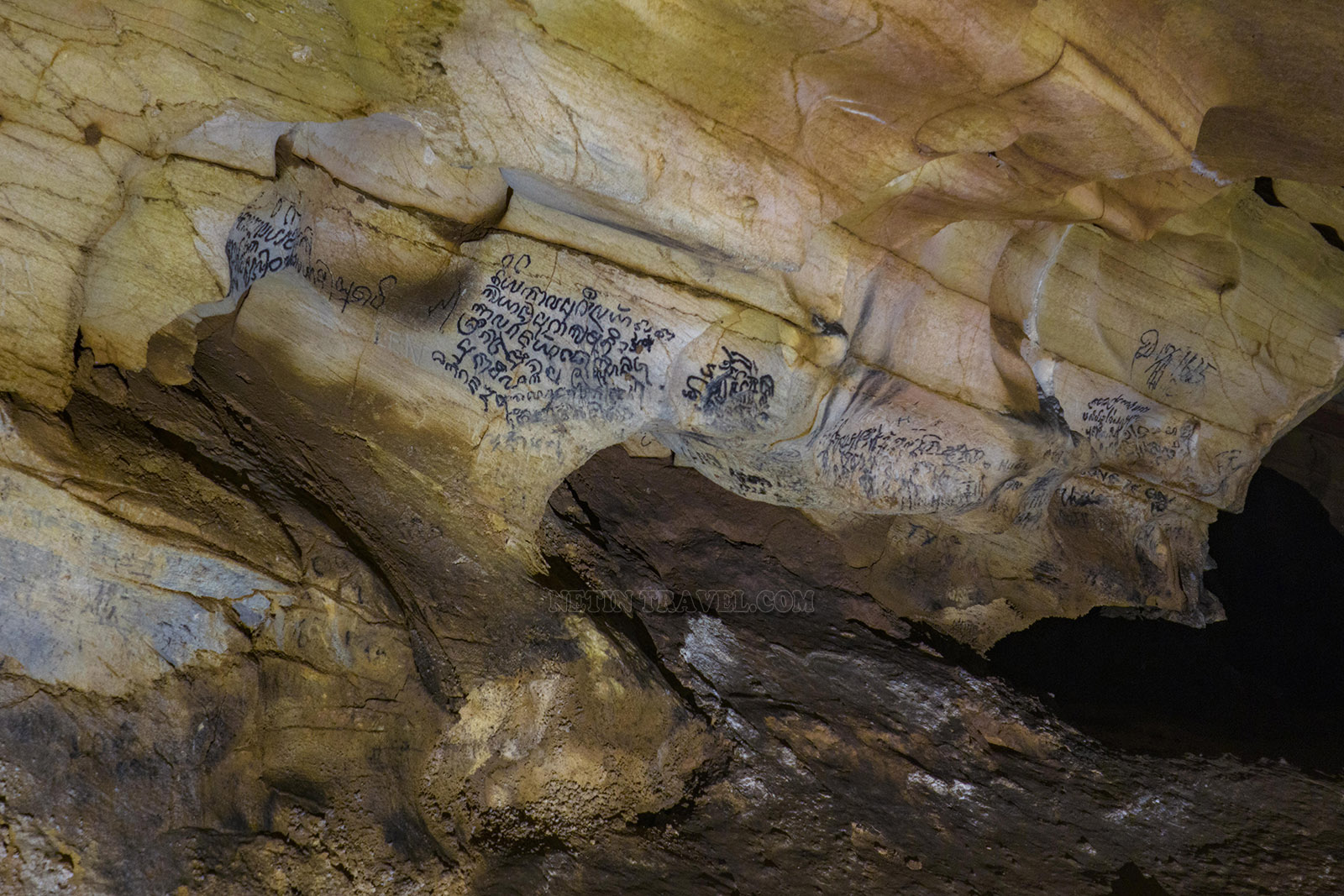
Beyond its underground river and spectacular limestone formations, Phong Nha Cave holds ancient Champa traces in Bi Ky Grotto. Discover the story behind these undeciphered inscriptions and find out how to explore this fascinating historical site.
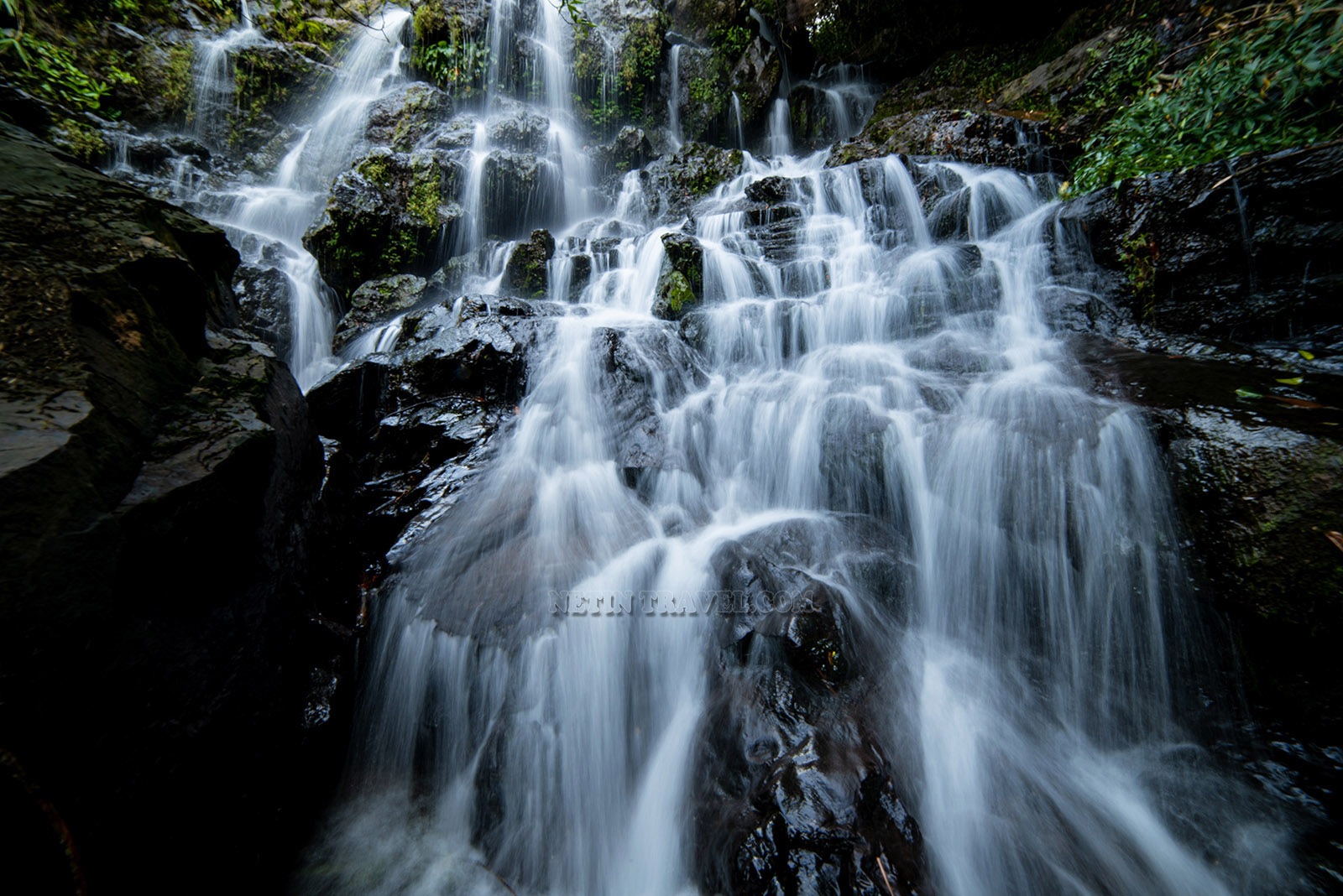
Discover Phong Nha Botanical Garden, home to Gio Waterfall, Vang Anh Lake, ancient trees, wild orchids, and forest trails. Find highlights, walking routes, and practical tips for your visit.
Chasing a sea of clouds is one of the most rewarding experiences on the Pa Thien–Voi Mep trek in Quang Tri, Vietnam. Discover the best time to go, weather conditions to look for, photography tips, and essential gear for your mountain adventure.
Explore the distinctive cuisine of the Bru–Van Kieu people in western Quang Tri. Discover five local specialities, from chewy Ayoh cakes and grilled chicken with mac mat leaves to stream fish dishes, Doan Ket porridge and grilled beef with toasted rice.