For cave enthusiasts, Quang Tri offers plenty of adventures worth taking on. From the world-famous Son Doong Cave and En Cave to Chay Loi Cave, each destination brings its own experiences and challenges. If you are looking for a new destination to add to your caving adventures, discover Kieu Cave, A Level 3 Caving Adventure. What makes this journey special, and what should you prepare before setting off? Find out with Netin Travel.
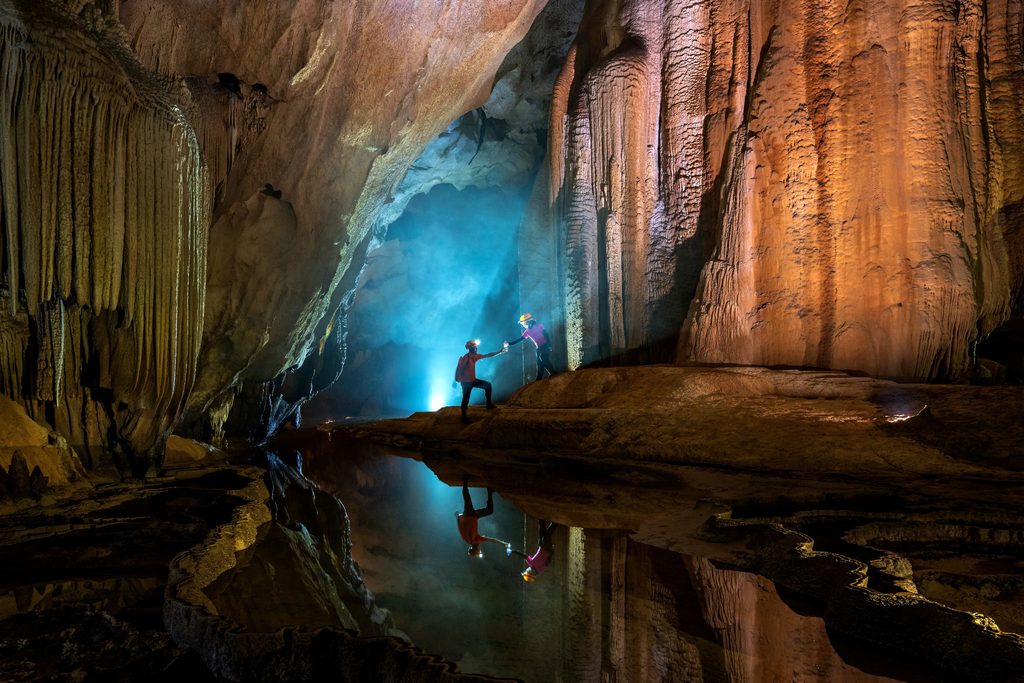
Kieu Cave captivates visitors with a spectacular underground world hidden deep beneath the earth. It combines physically demanding adventure with the unspoiled natural beauty of the mountains and forests of western Quang Binh.
There are five key highlights that make this destination appealing to trekking enthusiasts.
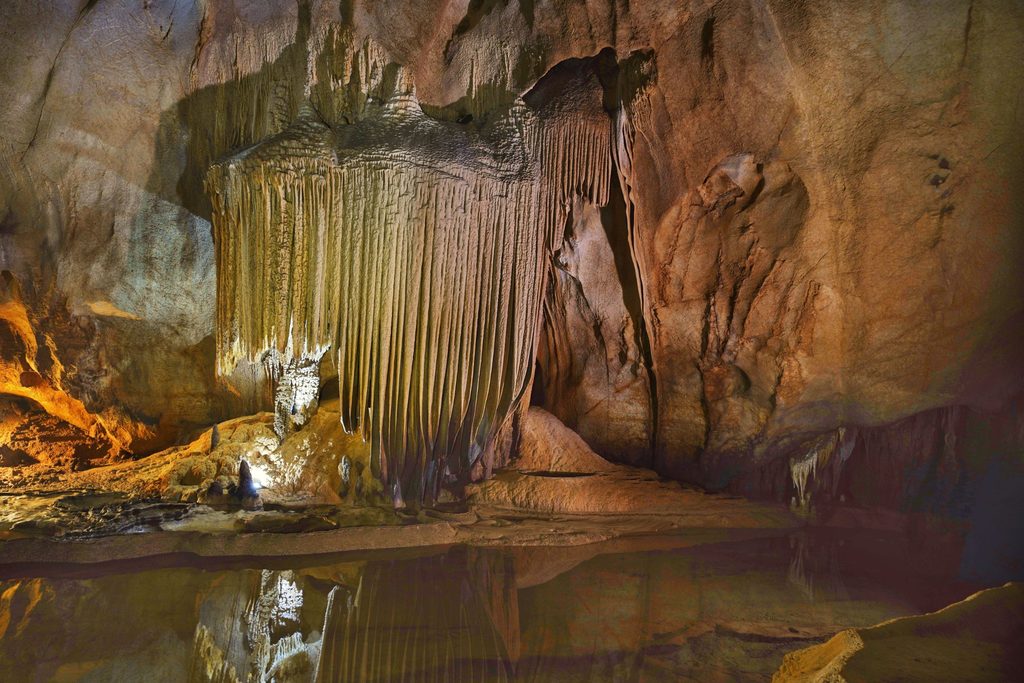
Stunning Natural Stalactites and Limestone Formations
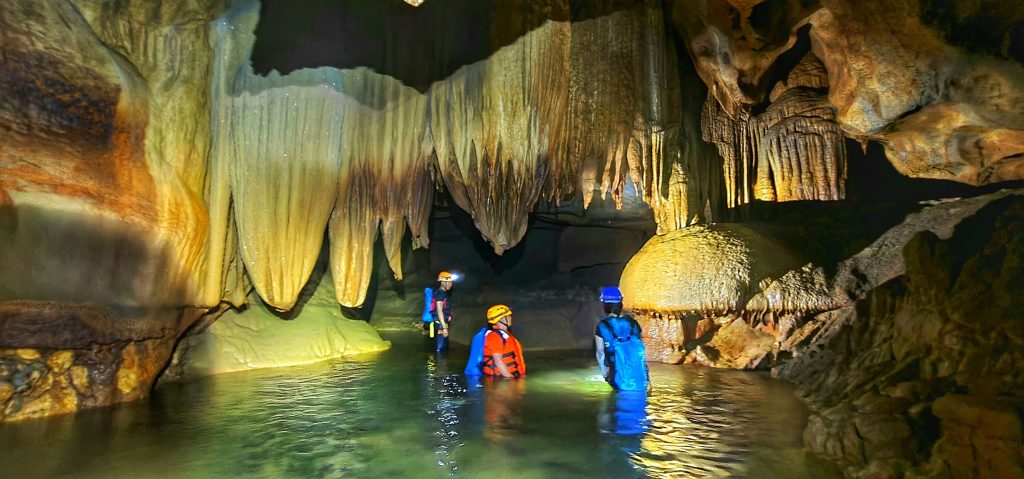
As a relatively new cave tourism destination, Kieu Cave retains its distinctive natural character, with vast chambers averaging 60 metres in height and some sections reaching up to 90 metres.
Limestone masterpieces: The cave features stalactites in a variety of colours that shimmer under the light.
Unusual formations: You may be amazed by natural rock formations resembling busts or human heads, creating an almost surreal atmosphere.
Stalactites Inside the Cave
A Rope Descent at the Cave Entrance
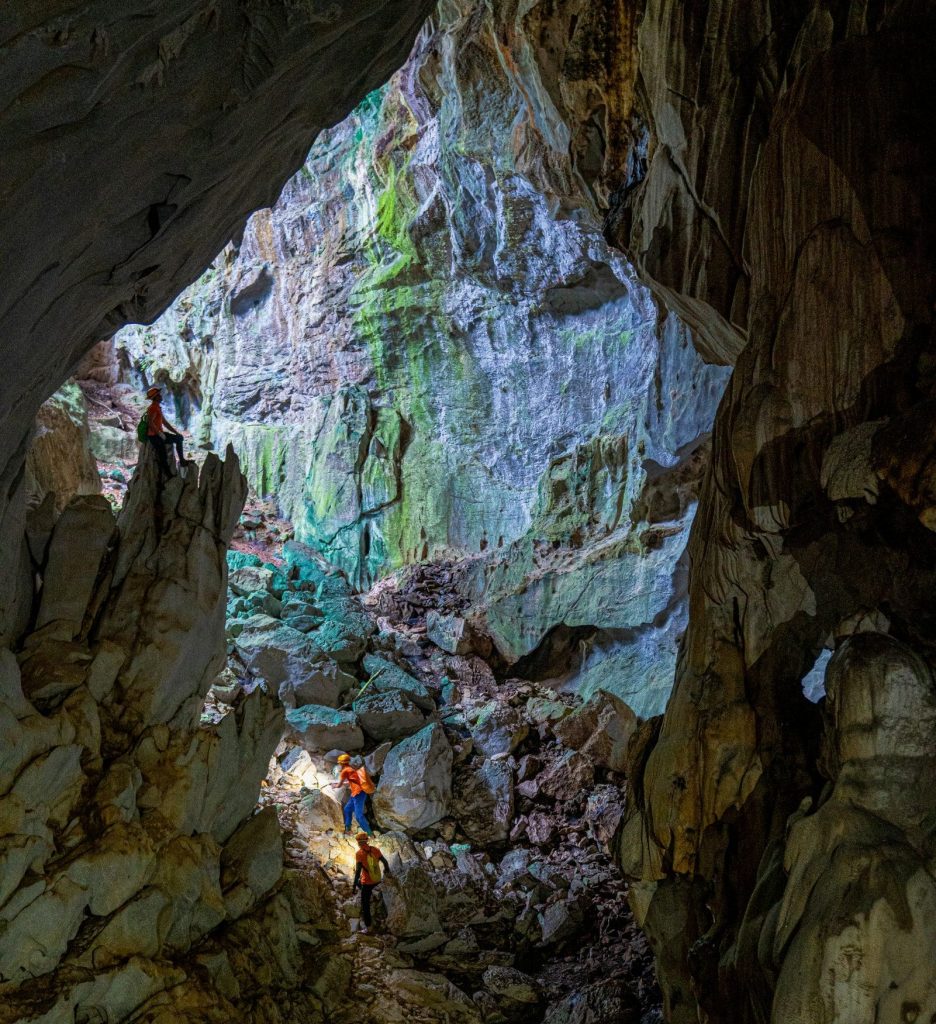
The excitement begins right at the entrance. Kieu Cave has a steep, near-vertical entrance. To descend into the cave, visitors must use ropes and specialised safety equipment to lower themselves from above. This thrilling challenge delivers an adrenaline rush before the journey continues into the spectacular underground world.
Kieu Cave Entrance on the Slope of An Bo Mountain (Approx. 400 m High)Rappelling Down from the Cave Entrance
A Mix of Dry Passages and Underground Water
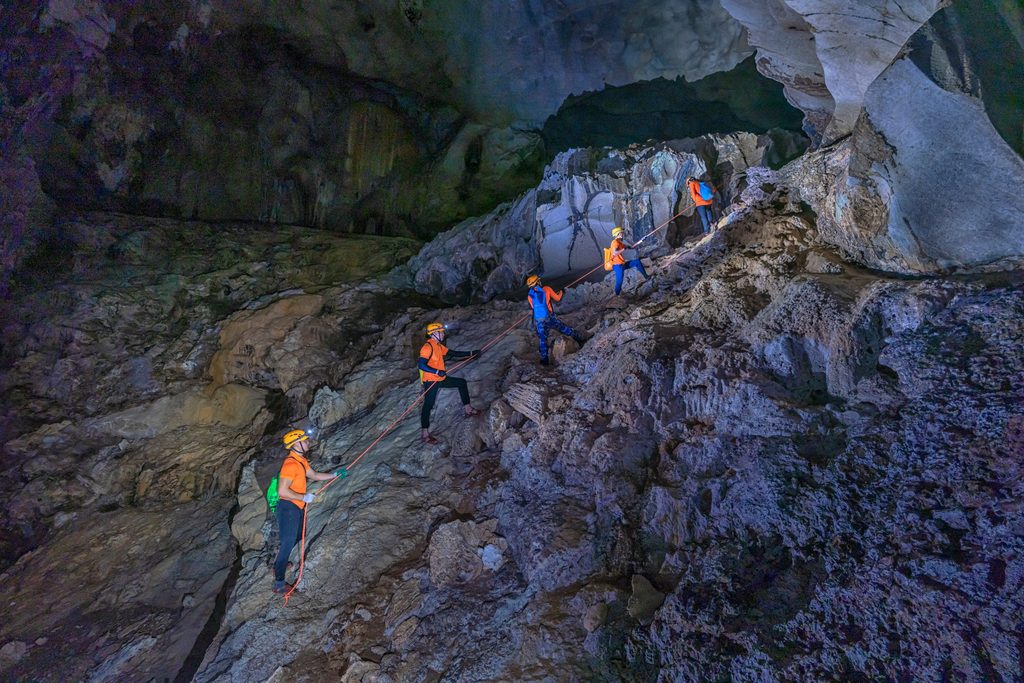
The varied terrain keeps the adventure engaging throughout. You will experience different challenges along the way. At times, you may wade through cool, clear underground pools. At others, you will squeeze through narrow passages or climb over massive rockfall formations.
An Underground Pool
Nature and Local Culture Along the Way
Exploring Kieu Cave is often part of a broader adventure that combines nature and local culture.
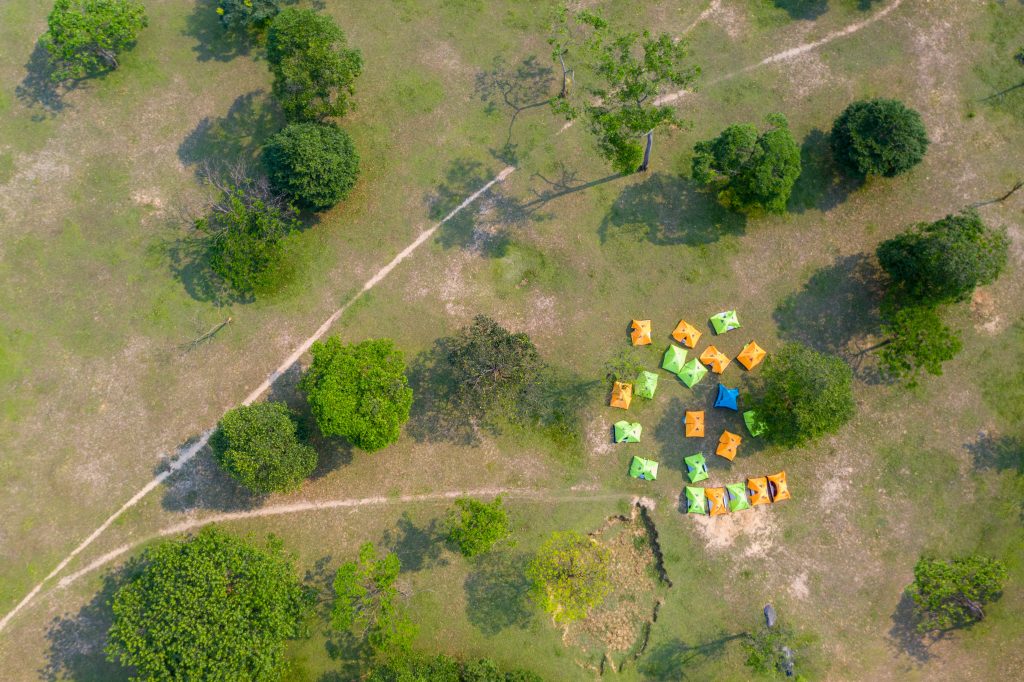
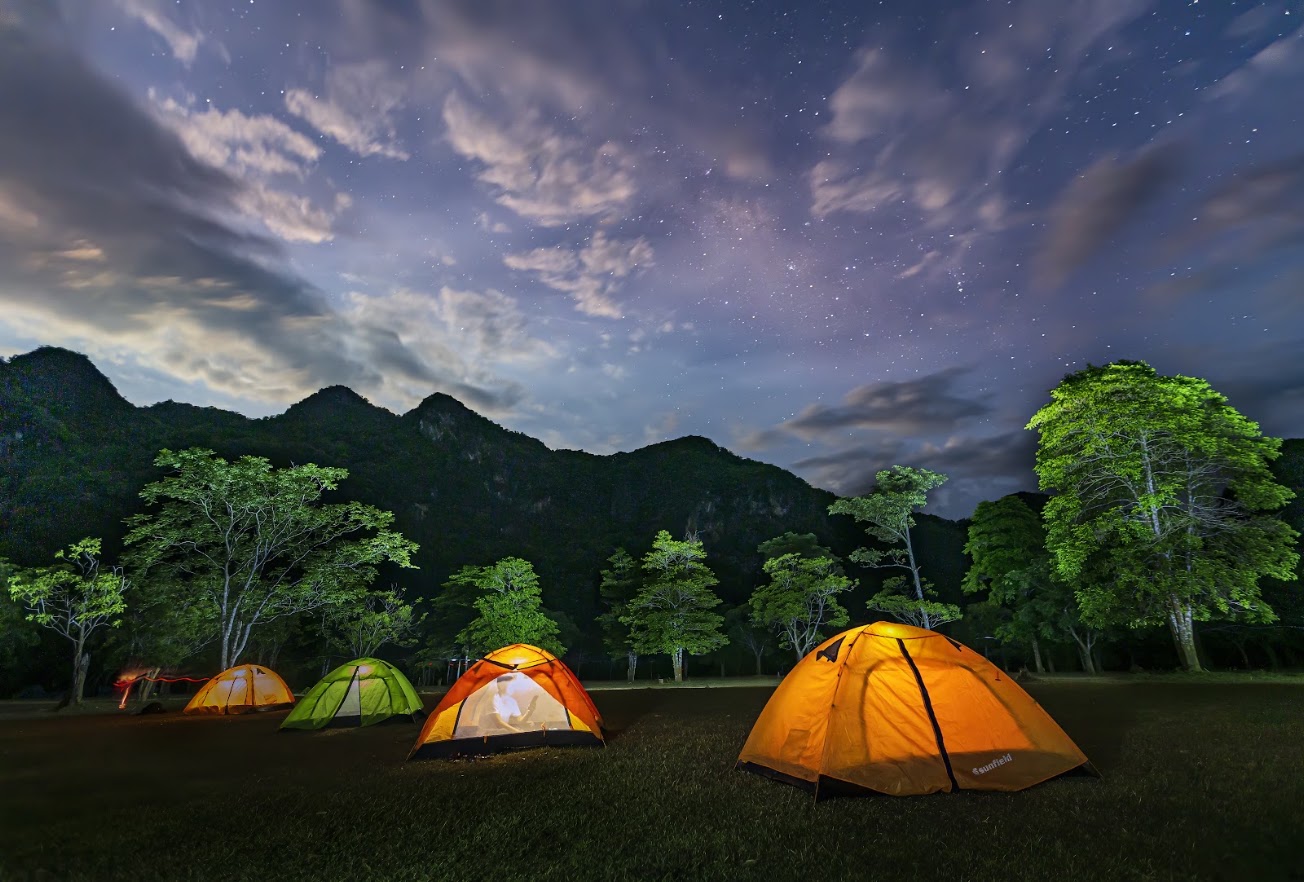
Camping in Love Valley: This unspoiled grassy clearing is an ideal spot to pitch a tent and enjoy locally prepared grilled food after leaving the cave.
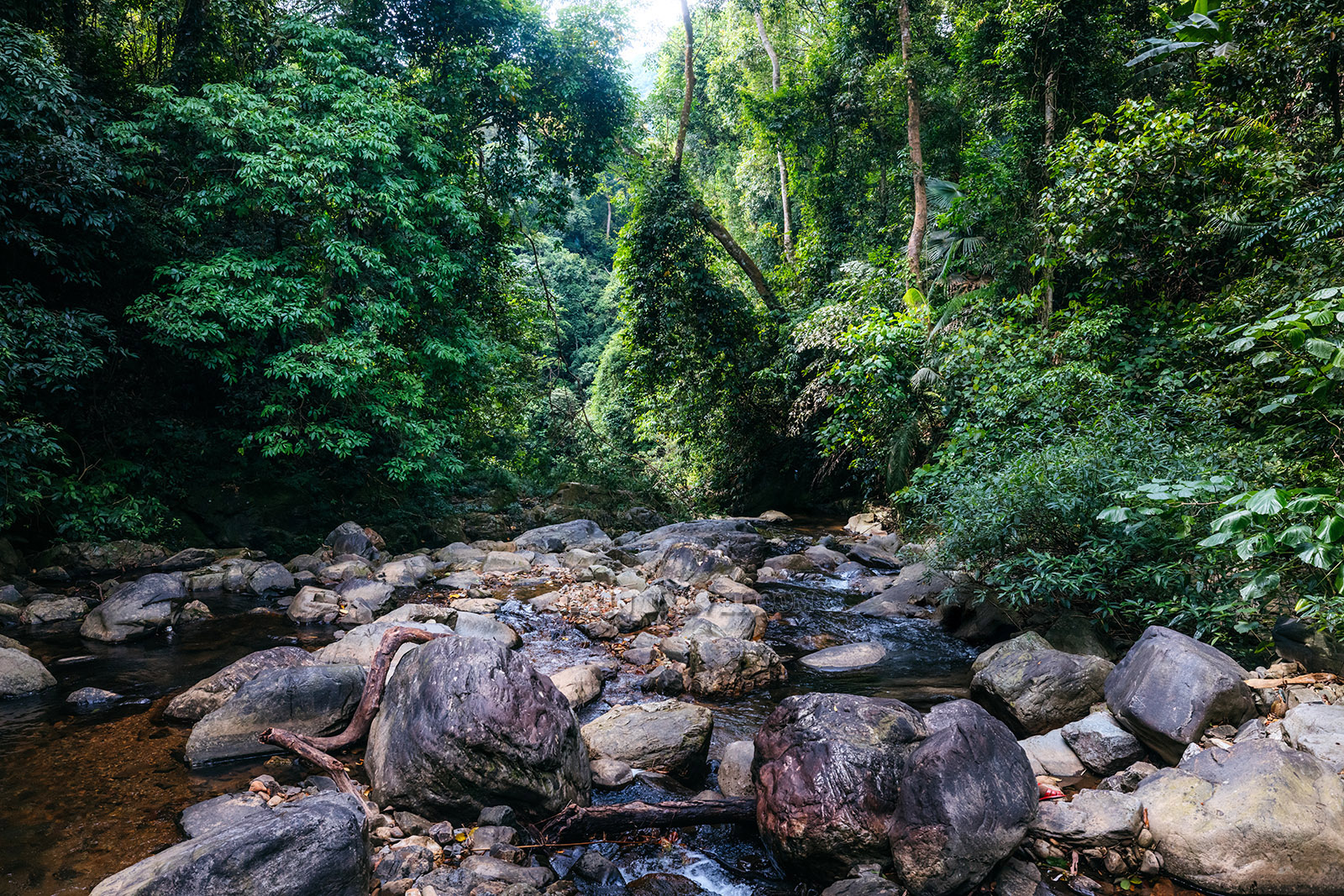
Trekking along Khe Nuoc Lanh: The crystal-clear stream, with its emerald-green water, offers a refreshing place to cool off and relax.
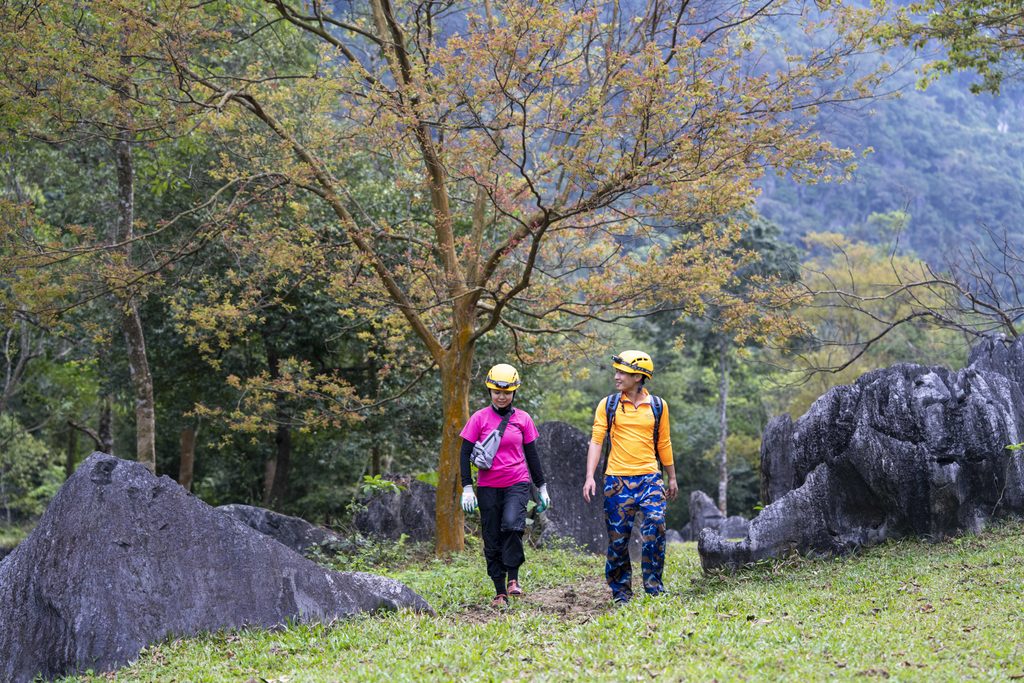
Connecting with the Bru–Van Kieu community: The route to Kieu Cave passes through Coi Da Village. Along the way, you can see traditional stilt houses and learn about the everyday lives of local ethnic minority communities.
Scenic Views of Love ValleyCamping in Love Valley
Understanding Level 3 Difficulty
Cave difficulty is generally assessed based on terrain, the duration of physical activity and the fitness required. At Kieu Cave, visitors should be prepared for several key challenges along the route.
Steep Slopes and Sharp Limestone
Reaching the cave entrance involves climbing slopes and crossing rugged limestone terrain. Some sections feature sharp, jagged limestone, so you need to watch your footing carefully and maintain your balance as you move.
Different Types of Terrain Inside the Cave
Inside Kieu Cave, the route may involve wading through underground streams, climbing over large rocks and navigating narrow passages. Each type of terrain calls for a different approach.
Maintaining Your Energy Throughout the Journey
The cave exploration takes approximately 3–4 hours on our tour. During this time, visitors need enough stamina to walk, climb over rocks and navigate challenging sections of the route.
How to Prepare Your Fitness
Start training around one to two weeks before your trip, especially if you are not used to trekking or walking on uneven terrain.
Here are some exercises you can try:
Hill walking or stair climbing: Helps your body get used to moving across changes in elevation.
Light jogging: Builds stamina and helps you sustain physical activity.
Squats: Strengthen your thigh and leg muscles, supporting climbing and balance.
Gradually increase the intensity of your workouts according to your fitness level. Make sure you also get enough rest to allow your body to recover.
If you have a history of cardiovascular disease, high blood pressure or serious bone and joint problems, consult your doctor before joining the trip. Anyone who is afraid of dark or confined spaces should also carefully consider the nature of the adventure.
What to Wear and Bring
Choosing suitable clothing and equipment will make it easier to move around and help you avoid unnecessary discomfort during the cave exploration.
Suitable Trekking Gear
Clothing: Wear long trousers and long-sleeved tops made from lightweight, quick-drying and stretchy sportswear. These help protect your skin from scratches caused by sharp limestone and branches.
Trekking shoes: This is one of the most important items. Choose shoes with excellent grip, such as specialised trekking shoes or military-style boots, that allow water to drain quickly. Avoid fashion shoes with smooth soles. You can also ask the tour operator whether footwear is provided so you can prepare accordingly.
Socks: Choose thick, high-ankle socks to reduce friction and prevent blisters while helping protect against leeches and insects.
Personal Essentials
Pack only what you need in a small backpack. Useful items include:
A waterproof bag: Protects your phone, camera and other electronic devices when crossing streams.
A change of dry clothes: Allows you to change after the trip if your clothes get wet.
Insect repellent and sunscreen: Useful during outdoor sections of the route.
Plasters and personal medication: Bring these according to your needs, especially if you take prescribed medication.
Avoid carrying too much, as a heavy backpack can make moving over difficult terrain more tiring.
Safety Equipment Provided by the Tour Operator
A specialised helmet and headlamp: Both must be worn throughout the cave exploration to protect your head from low stalactites and light the way ahead.
A life jacket: Used when crossing deep sections of underground streams.
Safety Tips for Exploring Kieu Cave
Some parts of the cave can be difficult to navigate. Visitors should therefore follow safety rules throughout the trip.
Always follow your guide’s instructions. The guide and support team know the route, potential hazards and how to navigate difficult sections. Ask for help if you are unsure how to move or use the safety equipment.
Stay with the group. Some areas inside the cave are dark, and the passages can make it easy to lose your bearings. Staying with the group ensures that help is available when needed.
Watch your footing. Wet rocks, uneven surfaces and narrow passages can increase the risk of slipping. Move carefully, maintain your balance and wait for guidance when approaching difficult sections.
Do not touch or damage the stalactites. These formations develop naturally over long periods. Touching them can leave dirt on their surfaces, while breaking, carving or otherwise interfering with them can damage the cave’s natural heritage.
Who Is Kieu Cave Suitable For?
Kieu Cave is best suited to adventure seekers with a moderate to good level of fitness who want a more challenging experience than a typical tourist cave visit.
With its level 3 difficulty, the route is designed for the following groups:
Trekking and adventure enthusiasts: People who enjoy unspoiled nature and want to experience forest trekking, steep limestone climbs and genuine underground exploration rather than simply walking around and sightseeing.
People with moderate to good fitness: The journey requires stamina for walking and climbing steep, jagged limestone slopes. You will need to stay active for around 3–4 hours. Those who regularly run, work out at the gym, swim or cycle may find it easier to adapt to the route.
Active young adults and groups of friends: The ideal age range is generally 16–55, provided participants are physically fit. This adventure is a great way to build teamwork or challenge your personal limits.
Travellers looking for a greater challenge: If you have explored easier caves such as Chuot Cave, Tu Lan 1 Cave or Chay Loi Cave and want to take on something a little more demanding, Kieu Cave could be the next step.
Who Should Avoid Kieu Cave?
For safety reasons, the following visitors should not take part in this trip:
Children under 10 and older adults in poor health.
People with certain medical conditions: These include cardiovascular disease, high blood pressure, severe asthma or bone and joint problems, especially affecting the knees and ankles, as the route involves extensive climbing over rocky slopes.
People with a fear of darkness or confined spaces (claustrophobia): Some sections of the cave are completely dark apart from headlamps, and certain passages are relatively narrow.
Travellers looking for a relaxing sightseeing experience: The tour has no flat walking paths, wooden stairways or artificial lighting systems like those found in Phong Nha Cave and Paradise Cave.
Explore Kieu Cave with Netin Travel
With its varied terrain and level 3 difficulty, Kieu Cave offers an opportunity to combine trekking with cave exploration in Quang Tri. Preparing your fitness, clothing and personal equipment in advance will help you feel more confident throughout the journey.
Netin Travel places a strong emphasis on guidance and safety during its adventure tours. If you would like to learn more about the itinerary, participation requirements and how to prepare for your Kieu Cave adventure, contact Netin Travel for detailed advice.
Looking for the best souvenirs from Western Quang Tri? Discover Khe Sanh coffee, dried bamboo shoots, local agricultural products, and traditional textiles and woven crafts made by the Van Kieu and Pa Co communities. Find out where to shop for authentic local gifts.
Discover overnight camping at Love Valley in western Quang Tri. Enjoy an outdoor BBQ, spend time with friends and wake up to the fresh air and green landscapes of the mountains.
The Heritage Train connects Hue with the Phong Nha area, offering a scenic way to explore Central Vietnam. Learn about the train schedule, onboard facilities, cultural performances, local food, and tours to consider along the route.
Dong Chau – Khe Nuoc Trong Nature Reserve offers pristine forests, clear streams and spectacular waterfalls. Join Netin Travel to trek through the forest, abseil down Duong Cam Waterfall and experience canyoning at Gateway Waterfall while learning about nature conservation and responsible tourism.