In recent years, cave exploration has become increasingly popular as part of nature-based and experiential travel.
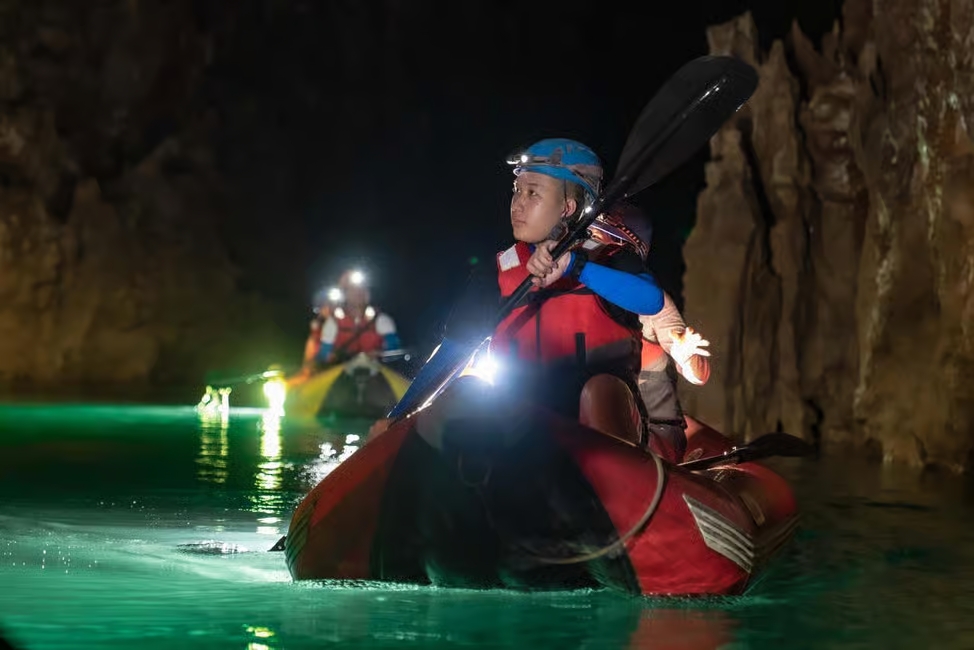
Visitors no longer come to caves simply for sightseeing. They can go trekking, kayaking, wading through streams, or exploring less-accessible cave routes.
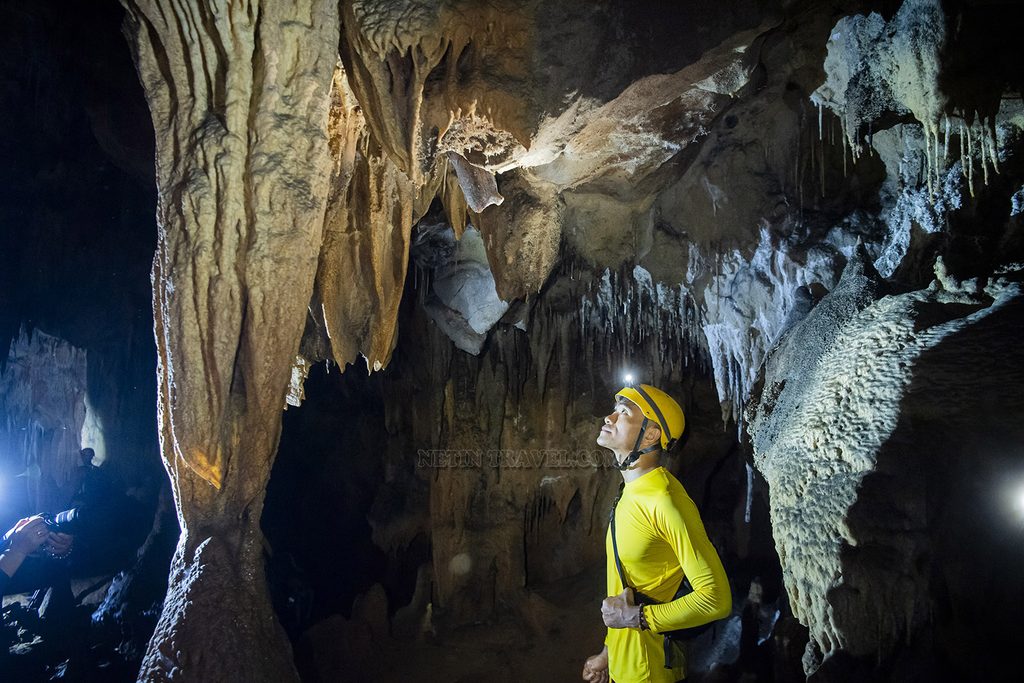
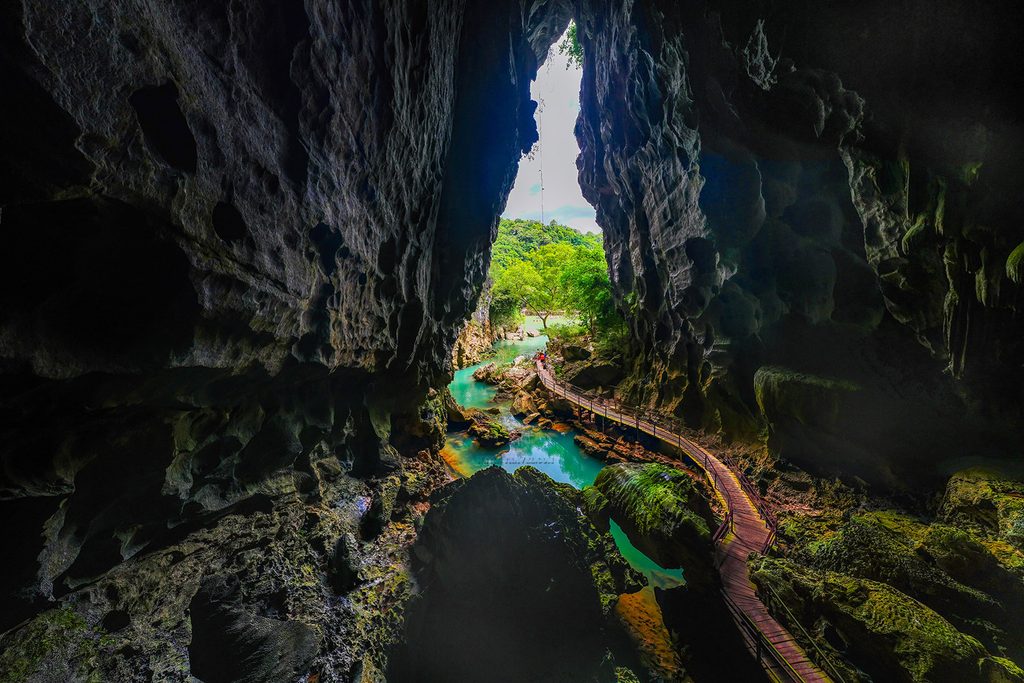
Responsible travel means minimizing our impact on the environment (Phong Nha Cave – Quang Tri)
As more people seek to experience these unique environments, the way we explore them becomes increasingly important.
How can tourism offer meaningful experiences today while preserving the natural values of caves for future visitors?
Caves are ecosystems with very different natural conditions. These include light, temperature, humidity, food sources, and the species that live within them. Many geological formations also take a very long time to develop.
Low-light environments: Many cave ecosystems depend on organic matter from outside. Water, soil, and animals can carry this material into caves.
Distinct microclimates: Temperature, humidity, and air circulation create unique conditions within each cave.
Life adapted to unique conditions: Some caves are home to species adapted to underground environments. Light, noise, and human presence can affect them.
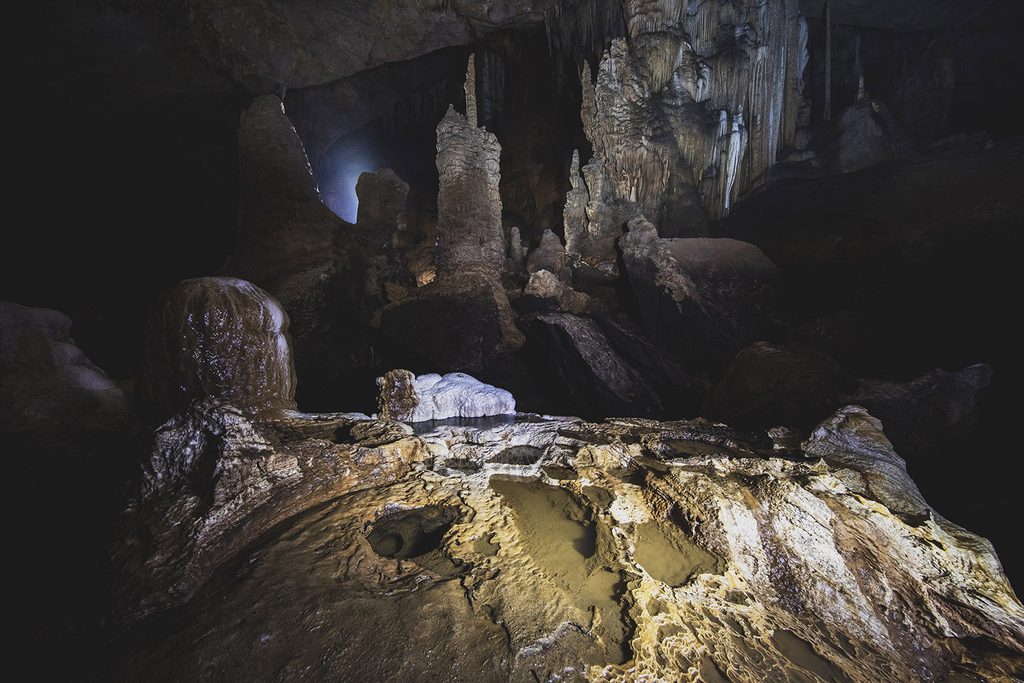
Geological formations shaped over time: Stalactites, stalagmites, and other formations can take thousands or even millions of years to form.
The environment inside Phong Nha Cave – Quang Tri
Cave environments can be affected by many human activities. The impact can be greater when tourism takes place frequently or at a high intensity.
The way we explore caves today can therefore influence how well they are preserved for future visitors.
Tourism and Its Impact on Caves
When not properly managed, tourism can affect cave environments.
Large numbers of visitors in enclosed spaces can change temperature and humidity. These changes may affect the natural formation and development of cave formations.
Waste and materials brought from outside can affect water sources. Noise can also disturb some cave species.
Artificial lighting used inappropriately or for too long can encourage algae and moss to grow. This growth can affect rock surfaces and cave ecosystems.
Touching cave formations or writing and carving on cave walls can leave marks that are difficult to restore. Straying from designated routes can also affect cave floors and sensitive areas.
These impacts may not be easy to notice after a single visit. However, they can accumulate over time. As visitor numbers increase, pressure on the destination can also grow.
Exploring Caves Responsibly
Visitors do not need to do anything complicated to help protect caves.
Stay on designated routes, leave natural features untouched, and take waste back out. Do not write or carve on cave walls. Keeping a respectful distance from wildlife also helps protect the cave environment.
Keep noise at an appropriate level and use equipment as instructed. Do not feed wildlife or continue when weather or water conditions are unsafe.
These principles do not limit the experience. They allow visitors to explore a destination while respecting its natural environment.
Phong Nha Cave – Quang Tri
Responsible Tour Operations
Protecting caves cannot depend on visitors alone. Tour operators also play an important role in how destinations are accessed and managed.
A responsible tour starts with choosing suitable routes. It also means identifying accessible areas and places that need protection. Group sizes should be considered to avoid overcrowding in sensitive areas.
Before each trip, operators should monitor weather, water levels, and route conditions. This is especially important for trekking, kayaking, and cave experiences involving rivers or streams. When conditions are unsuitable, changing the route or postponing the trip is part of responsible operations.
Guides also play an important role. Along with route and safety knowledge, they should understand the destination’s environment. This helps them explain why visitors should stay on designated routes and avoid touching formations or entering restricted areas.
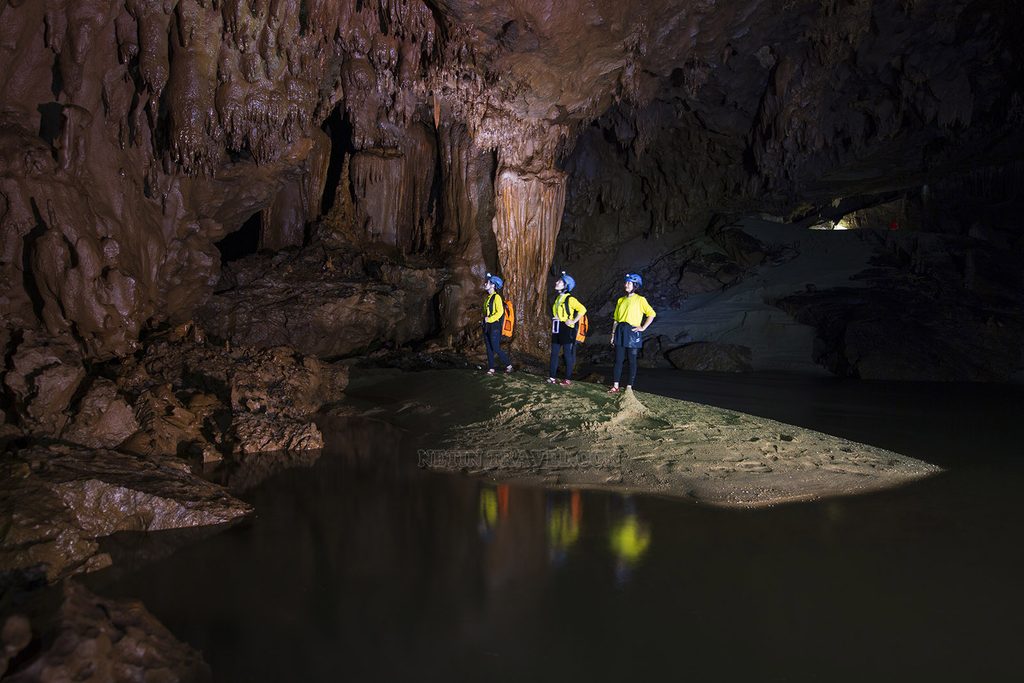
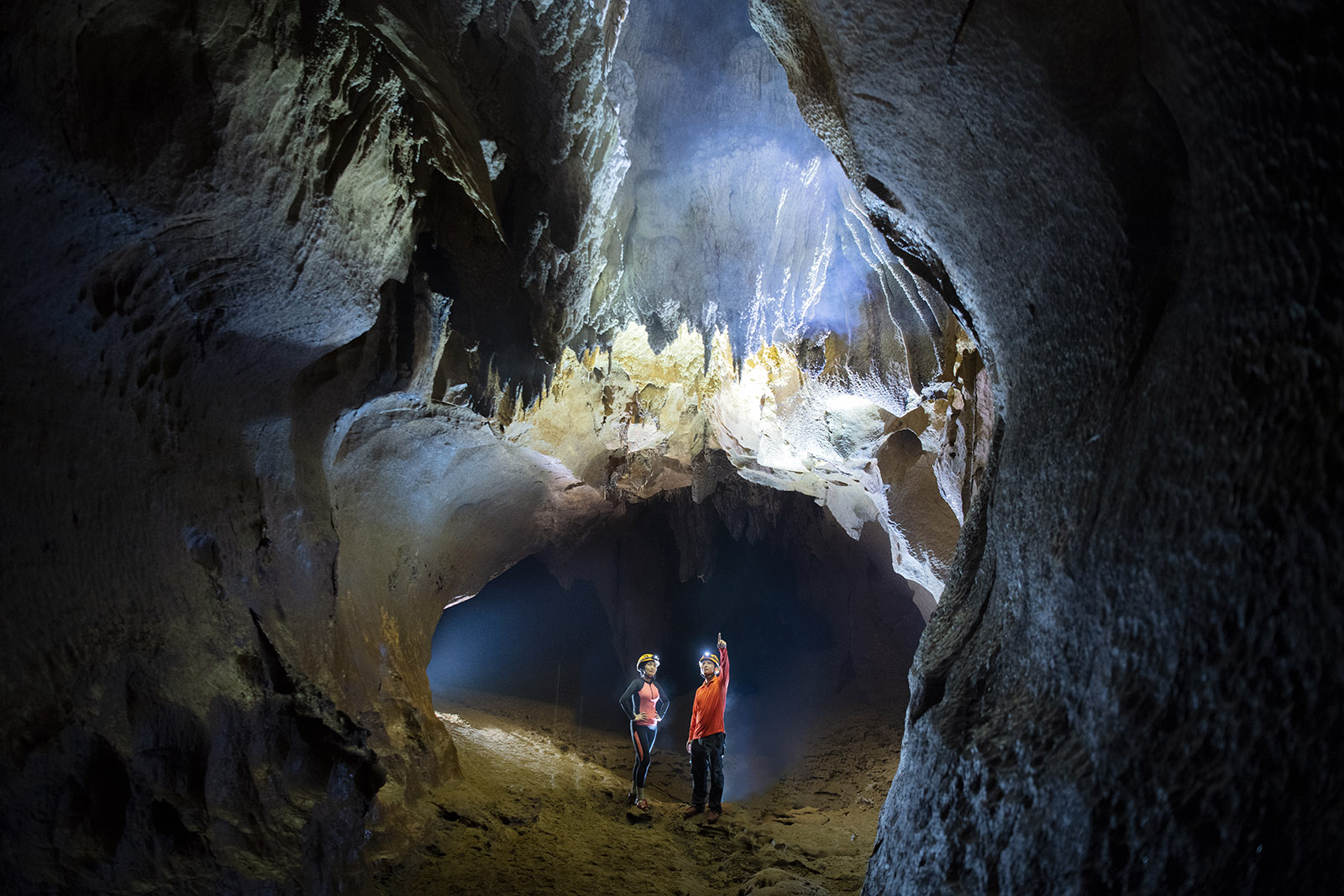
Chà Lòi Cave – Quang Tri
Waste management, suitable equipment, and regular route monitoring should also be part of tour operations.
Responsible tourism should also create opportunities for local communities to participate and benefit. This can include work for local guides, porters, service providers, and households.
Responsible Travel, Meaningful Experiences
Responsible travel does not mean staying outside nature. Trekking, kayaking, and cave exploration can still offer enjoyable experiences.
What matters is how these activities are carried out. This starts with choosing suitable routes and group sizes. The timing of activities and visitor behavior also matter.
When necessary limits are respected, visitors can still explore and enjoy a destination. The natural values of caves can also be preserved for future journeys.
Experience and Sustainability
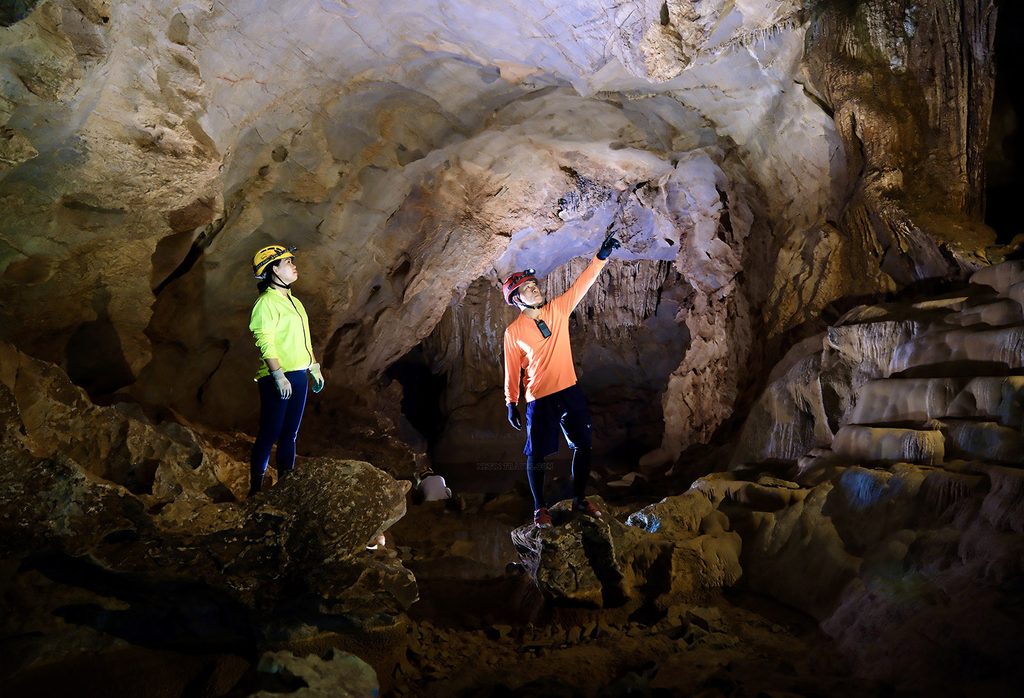
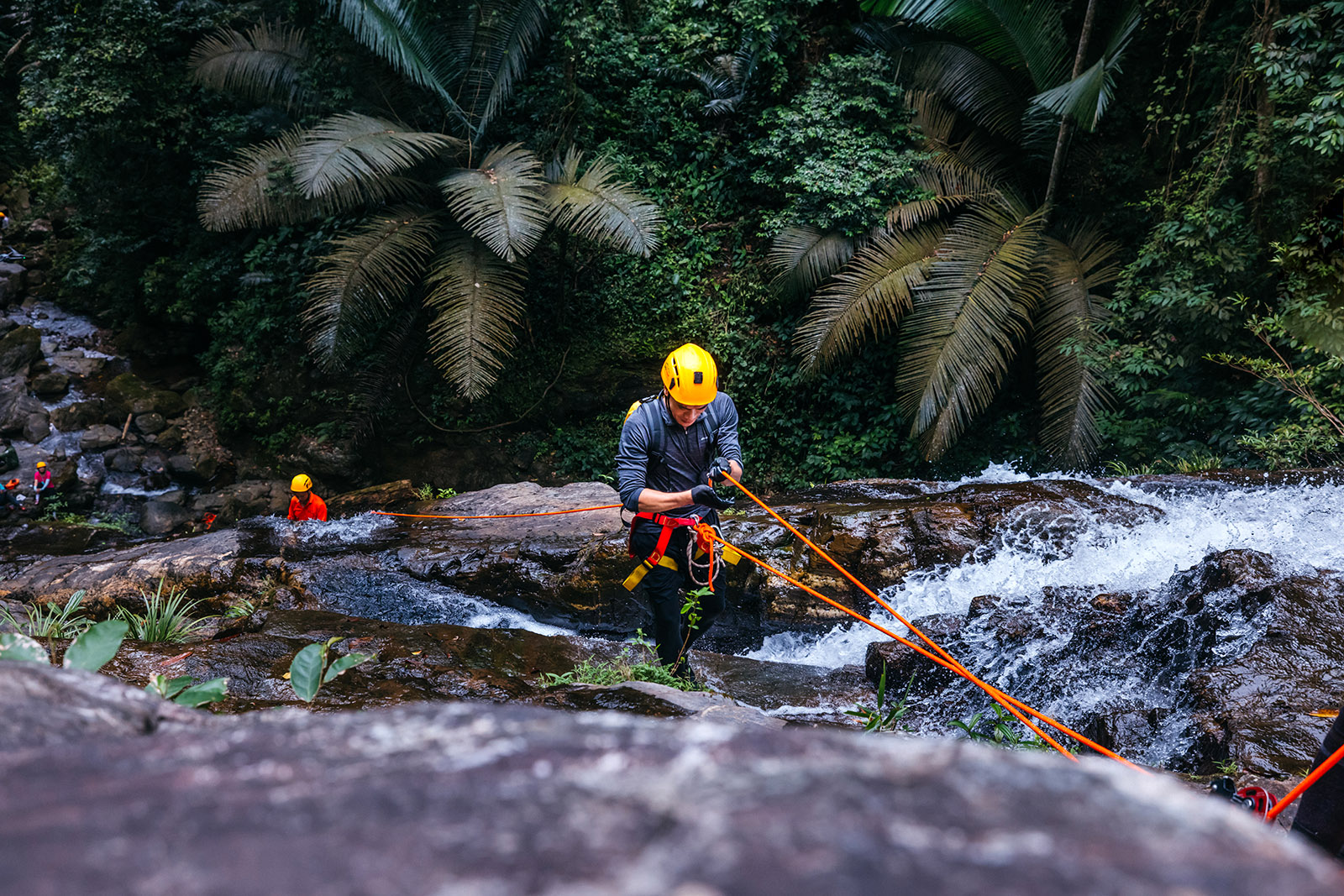
Dark Cave – Quang Tri
Responsible travel is not about limiting cave exploration. It is about finding ways for visitors to enjoy meaningful experiences while preserving the natural values of caves.
Every journey eventually comes to an end. When we leave, we can take the memories with us without leaving unnecessary impacts behind.
If you want to explore caves and natural landscapes in Central Vietnam, join Netin Travel for trekking, kayaking, and nature-based experiences with a responsible approach.
Explore Phong Nha Cave by kayak, then continue with hiking, swimming in underground water, and discovering cave formations and ancient Champa inscriptions.
Is canyoning in Vietnam suitable for beginners? Learn about the difficulty level, fitness requirements, what to prepare, and important safety considerations before taking on a canyoning adventure.
Việc lựa chọn khách sạn gần biển mang lại rất nhiều tiện lợi cho du khách. Chỉ cần vài phút đi bộ, bạn đã có thể hòa mình vào làn nước trong xanh, tận hưởng không khí biển mát lành và ngắm bình minh tuyệt đẹp trên biển Nhật Lệ. Du lịch trải nghiệm Quảng […]