Responsible Nature Tourism – What Does It Really Mean?
Khanh Chi
09:18 - 28.09.2026
In recent years, nature-based tourism has attracted growing interest. Alongside this trend, another concept has become increasingly important: Responsible Tourism.
So, what does responsible tourism actually mean? And why does it matter when exploring natural destinations?
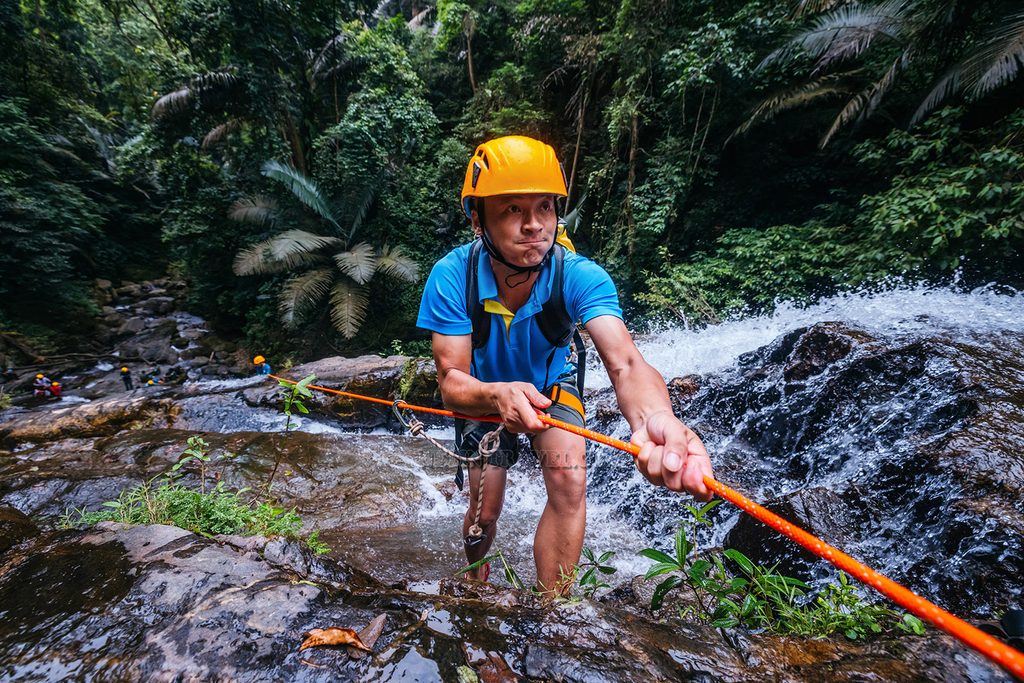
Conquering Duong Cam Waterfall in Dong Chau – Khe Nuoc Trong Nature Reserve
Responsible tourism is an approach to travel that aims to reduce negative impacts on the environment, local culture and communities while creating positive benefits for the destination.
Responsibility does not rest solely with tourism businesses. Local authorities, destination managers, communities and travelers all have a role to play in making tourism more responsible.
Here are some of the key principles:
Protecting the Environment and Ecosystems
Nature is an essential part of the travel experience. That means reducing waste and taking care of the landscapes we visit.
Tourism activities should also minimize their impact on ecosystems. In areas rich in biodiversity, tourism needs to be planned and managed with particular care.
Visitor activities should follow local regulations and support the protection of natural resources.
Creating Value for Local Economies
Tourism can create additional livelihood opportunities for people living in destination communities.
Local residents may take part in a range of tourism services, including guiding, transportation, accommodation and food services.
When local communities benefit from tourism, they have greater opportunities to participate in protecting the places they call home. This can also help tourism remain viable in the long term.
Respecting Local Communities and Culture
Every destination has its own identity. This may be reflected in its culture, way of life and local traditions.
Travelers should take time to learn about a destination before visiting. Respecting local customs, regulations and appropriate behavior is an important part of responsible travel.
Supporting Social Fairness
Responsible tourism should respect the rights and interests of local communities.
The rights and well-being of people working in tourism also matter. Local communities should have meaningful opportunities to participate in tourism and receive a fair share of its benefits.
It Starts With Every Traveler
Being responsible also starts with the choices we make as travelers.
Avoid littering and do not interfere with wildlife or natural surroundings. Stay on designated trails and follow local guidance throughout your journey.
Netin Travel – Traveling Responsibly
Netin Travel offers a range of nature-based experiences across Central Vietnam. Responsible tourism is one of the principles Netin considers when organizing its tours.
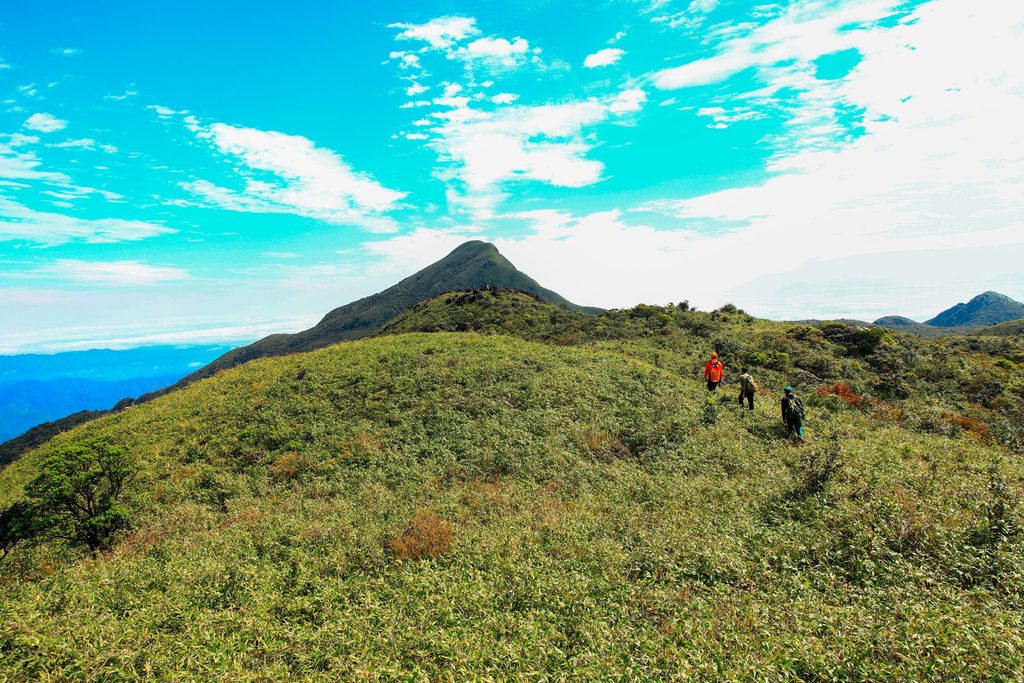
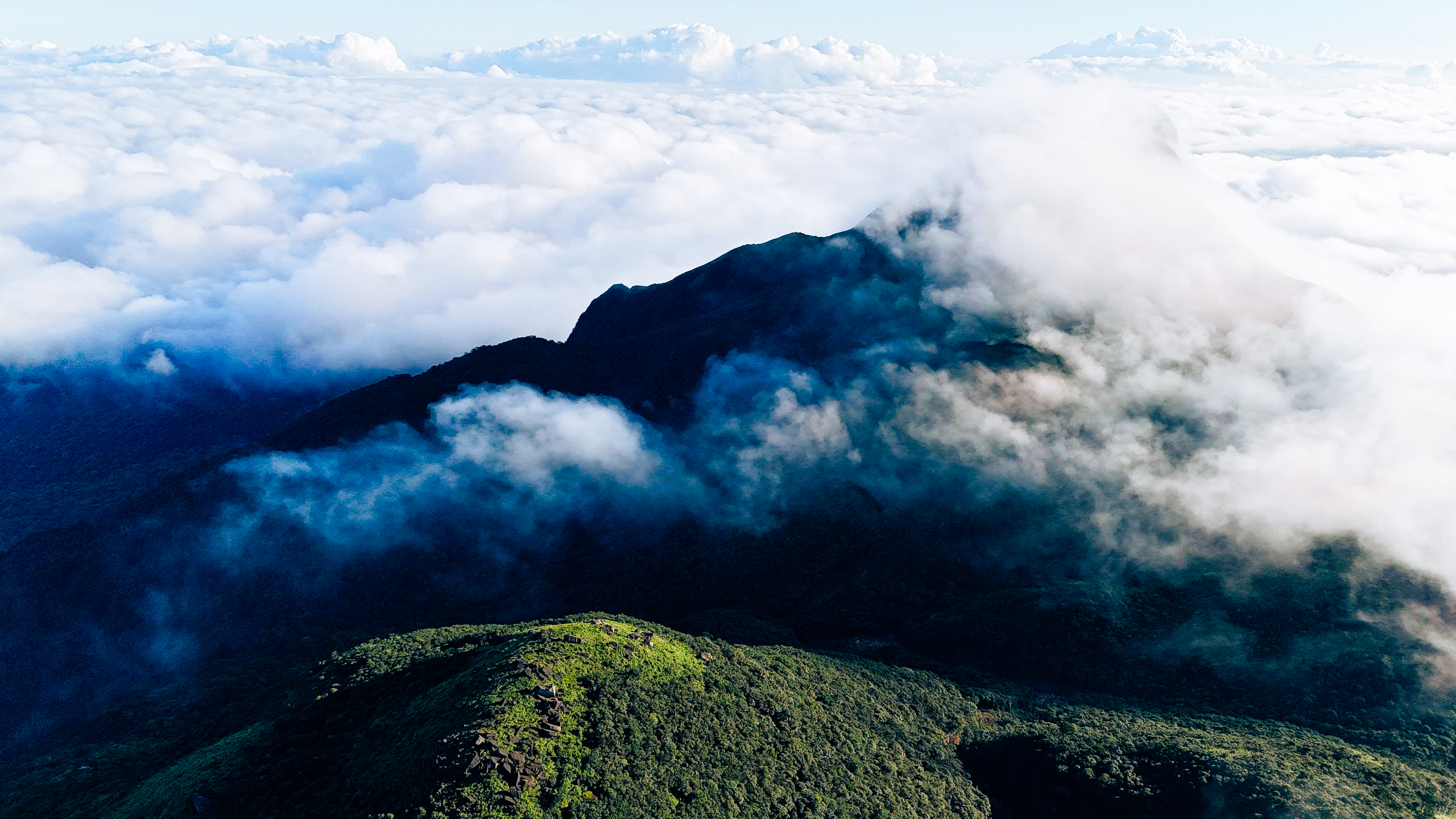
The journey to the summit of Pa Thiên – Voi Mẹp, known as the “Roof of Quảng Trị,” involves local communities and government authorities in its operation.
The tour brings together local communities, authorities and travelers to help protect biodiversity and natural resources. Netin works with local people as porters, local guides and service providers, helping tourism generate livelihood opportunities for the surrounding communities.
Environmental guidelines are also shared with travelers before booking. These include keeping the area clean, avoiding litter and respecting the natural environment throughout the journey. Travelers are also reminded of these principles during the trek.
Conquering Pa Thien – Voi Mep, the Roof of Quang Tri
Go Further, Leave Less Behind
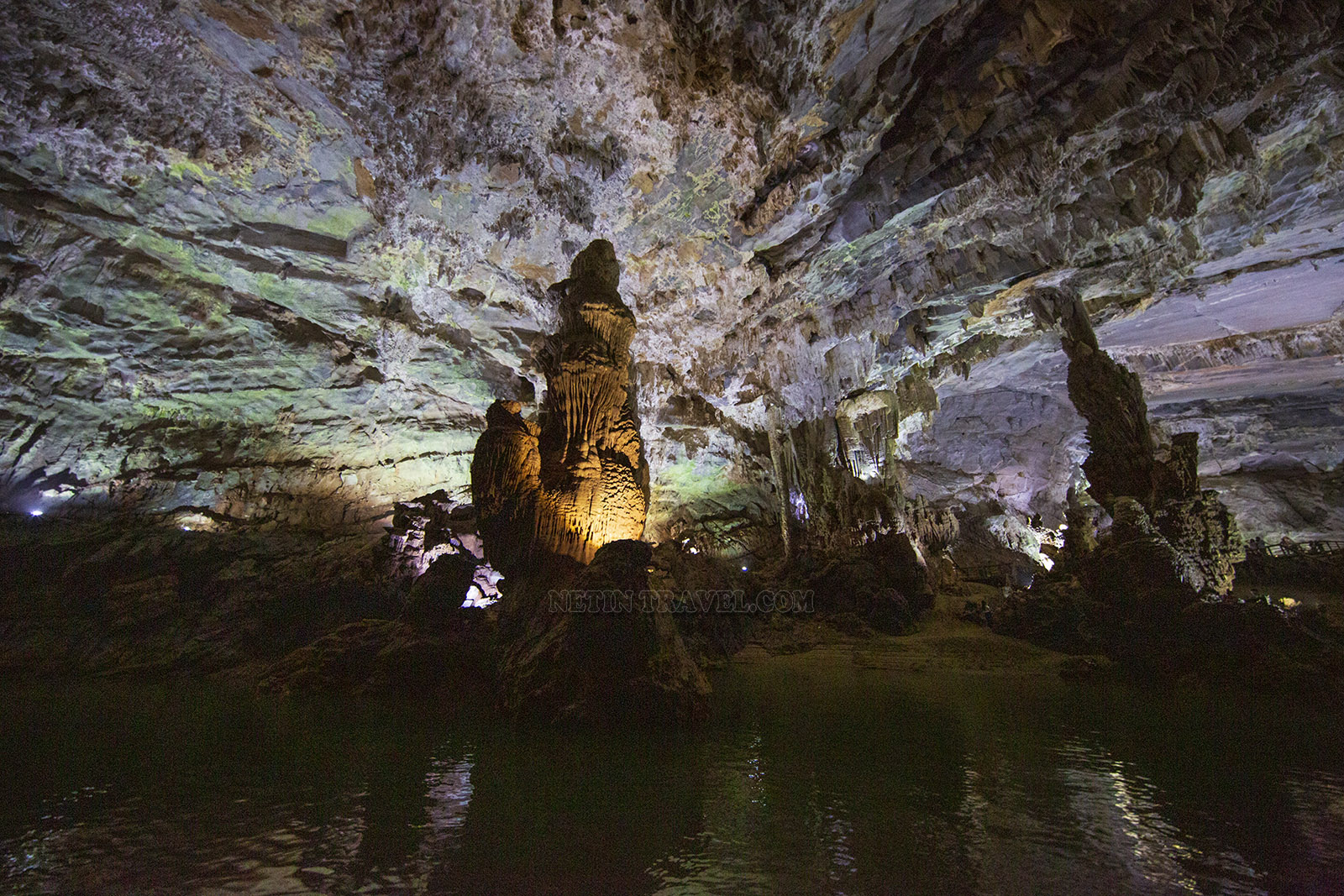
Nature-based travel gives us the opportunity to experience forests, rivers, caves and remote mountain landscapes. For these places to remain accessible and healthy for future generations, the way we travel matters.
Responsible tourism starts with the small choices each of us makes.
At Netin, exploring the beauty of wild nature is about more than the experience itself. It is about traveling with awareness, learning along the way and taking responsibility for the places and communities we visit.
Join Netin Travel in discovering the natural landscapes of Central Vietnam while respecting each destination and supporting efforts to protect its natural values.
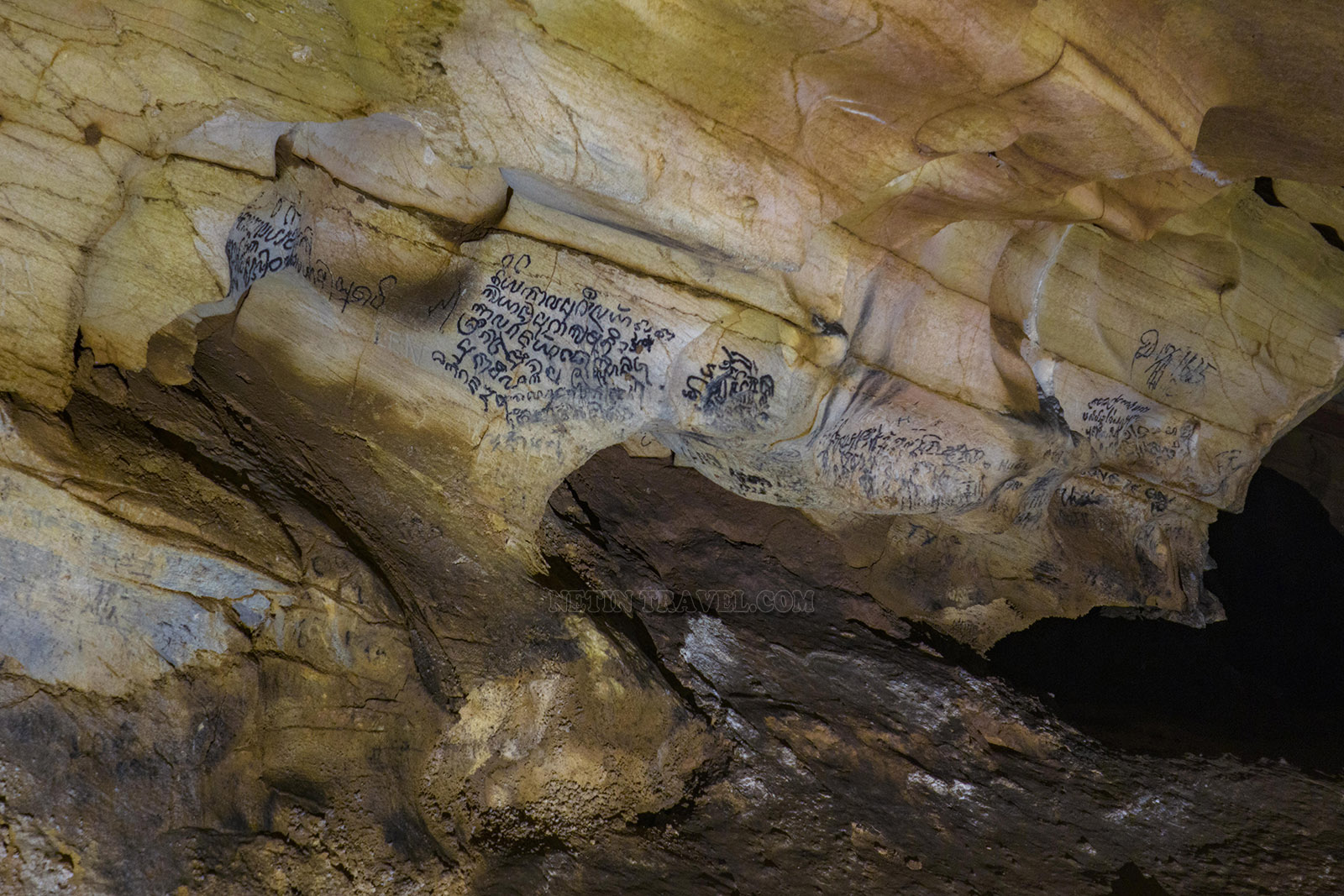
Beyond its underground river and spectacular limestone formations, Phong Nha Cave holds ancient Champa traces in Bi Ky Grotto. Discover the story behind these undeciphered inscriptions and find out how to explore this fascinating historical site.
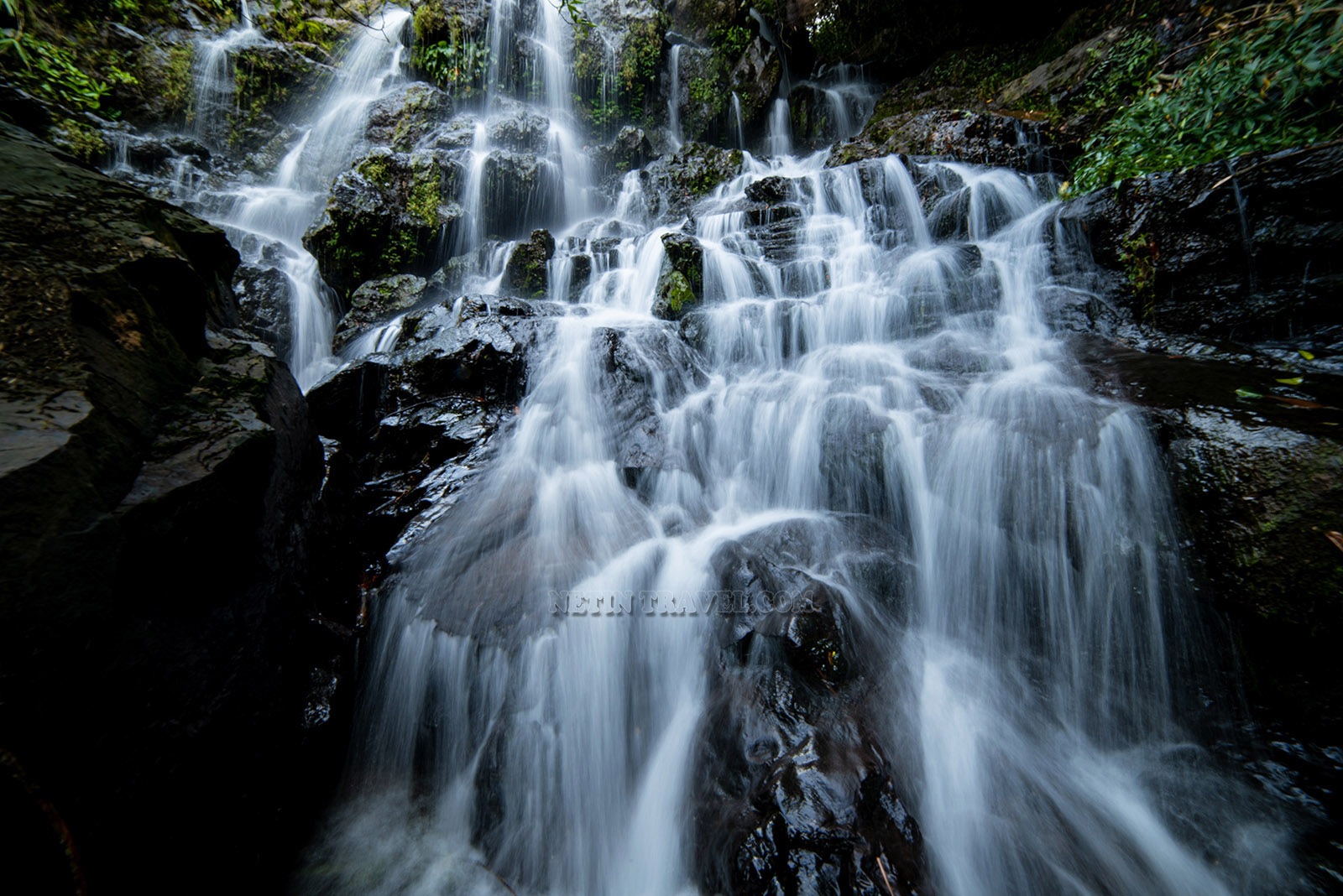
Discover Phong Nha Botanical Garden, home to Gio Waterfall, Vang Anh Lake, ancient trees, wild orchids, and forest trails. Find highlights, walking routes, and practical tips for your visit.
Chasing a sea of clouds is one of the most rewarding experiences on the Pa Thien–Voi Mep trek in Quang Tri, Vietnam. Discover the best time to go, weather conditions to look for, photography tips, and essential gear for your mountain adventure.
Phong Nha’s limestone mountains and caves developed through millions of years of geological change. Discover how water dissolves limestone to create caves, mineral formations, and underground rivers.