What to See at Phong Nha Botanical Garden: A Visitor’s Guide
Khanh Chi
14:46 - 12.10.2026
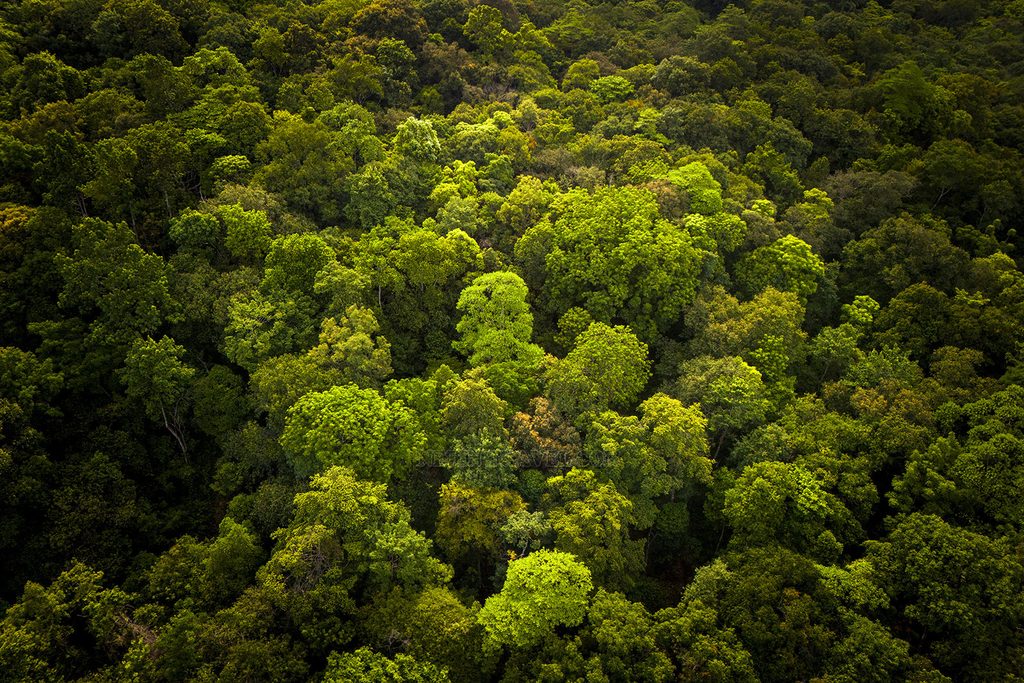
Tropical trees shade the trails, while the sound of flowing water fills the forest. Wildlife and plant life hidden beneath the canopy add to the garden’s appeal. Phong Nha Botanical Garden lies along Road 20 Quyet Thang, about 10 km from Phong Nha’s tourist center. It is a great place to spend a few hours walking, admiring waterfalls, and exploring the natural environment of Phong Nha–Ke Bang National Park.
Phong Nha Botanical Garden viewed from above
From the 30-meter-high Gio Waterfall to Vang Anh Lake, there is plenty to discover. The garden also features centuries-old trees and a collection of ancient fossils. You may even spot birds and other wildlife in the forest. If you want to add an outdoor activity to your Phong Nha trip, this destination is worth considering.
Phong Nha Botanical Garden is located at Km 9 on Road 20 Quyet Thang. It is approximately 10 km from Phong Nha’s tourist center.
The garden is part of the tropical forest ecosystem of Phong Nha–Ke Bang National Park. It combines nature tourism with conservation and environmental education. Walking trails lead to natural attractions throughout the area. Meanwhile, the exhibition house and plant collections introduce visitors to the local ecosystem.
Allow one to three hours for a standard visit. You will need more time for a guided trekking route.
Top Attractions
Gio Waterfall: A Cascade in the Forest
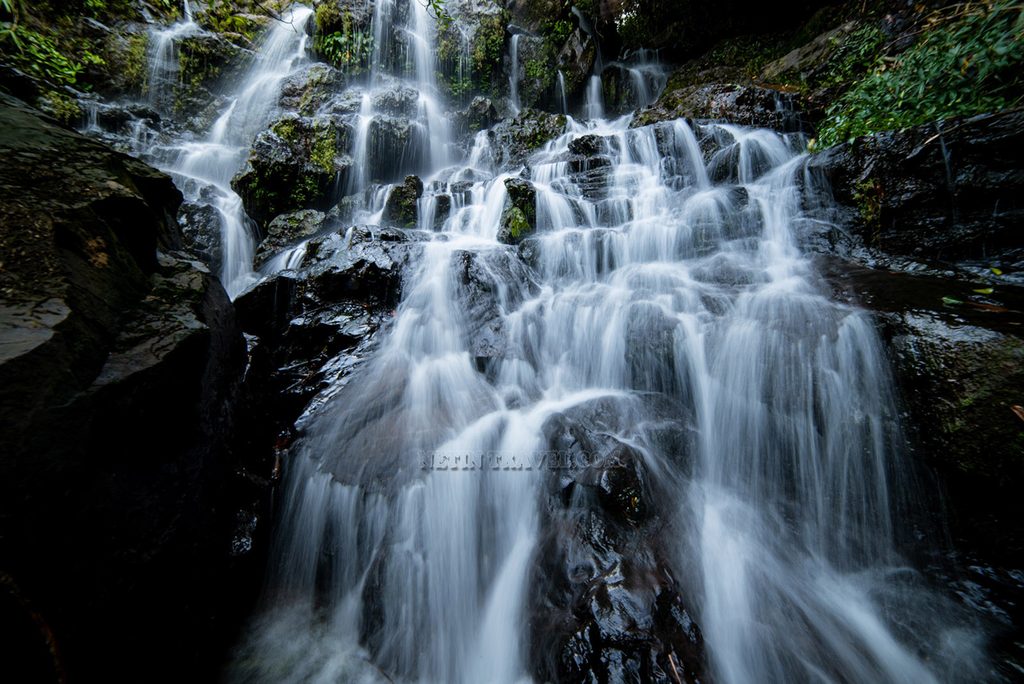
Gio Waterfall
At more than 30 meters high, Gio Waterfall is one of the garden’s main highlights. Water cascades through the forest, forming a striking white curtain against the rocks and greenery. Near the foot of the waterfall, you can feel the cool mist on your skin.
Follow the designated trails to explore the waterfall from different viewpoints. You can also take photos surrounded by forest scenery. From the upper area, visitors can enjoy views of the natural landscape of Phong Nha–Ke Bang.
Vang Anh Lake: A Refreshing Stop
After walking through the forest, Vang Anh Lake offers a welcome place to rest beside the water. The lake sits beneath the tree canopy, with clear, cool water.
On hot days, swimming or taking a dip can be refreshing. However, you should only enter the water in designated areas. If you prefer to stay dry, sit by the lake and enjoy the view. It is also a lovely spot for photos before continuing your walk.
Tien Waterfall: A Longer Forest Adventure
If you want to venture deeper into the forest, consider a route that includes Tien Waterfall. This attraction is part of a longer itinerary for visitors accompanied by a guide.
The route also connects to the ancient Gùa tree, Dan Cave, and other points of interest. It offers more to explore for visitors who enjoy longer walks and learning about the forest.
Tien Waterfall is not included in every standard route. Ask the garden’s management about access before choosing this option.
Ancient Sao and Gua Trees
Large trees are among the garden’s highlights for nature lovers. The area is home to the centuries-old Sao tree and an ancient Gua tree. Both are notable examples of the local forest vegetation.
Take time to observe their trunks, roots, and canopies. Their impressive size stands out among the surrounding forest. Some rare trees in the area have trunks with a circumference of around three meters.
For plant enthusiasts, this is an opportunity to learn about local tree species. It also highlights the conservation value of the Phong Nha–Ke Bang ecosystem.
Wild Orchids and Native Tree Nurseries
The wild orchid collection is worth a stop for anyone interested in plants. You can observe different species and learn about their growing habits. Other plants are also displayed throughout the garden.
The garden propagates and grows selected rare tree species for conservation. These include stone cypress, green ironwood, Gụ lau, and hoa teak.
These collections introduce visitors to plant conservation. You can learn how trees germinate, grow, and develop over time. You can also discover how native species are cared for and propagated.
The Specimen House: Traces of an Ancient World
The specimen house is an interesting stop for anyone curious about geology and natural history. Visitors can see plant and animal specimens, along with fossils preserved for research and environmental education.
Notable exhibits include fossils of four-rayed corals and crinoids. These specimens provide evidence of the region’s ancient geological history. They are also linked to the long formation and development of the limestone landscape of Phong Nha–Ke Bang.
Birds and Forest Wildlife
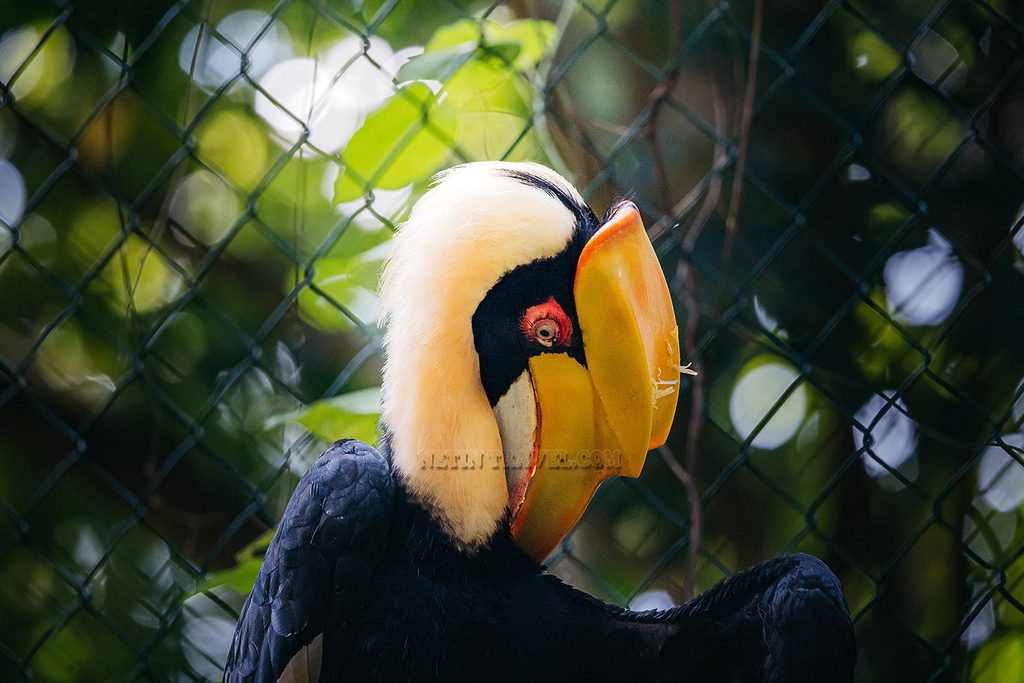
The botanical garden has a wildlife rehabilitation area and spots for birdwatching. Under favorable conditions, visitors may spot peafowl, fruit-eating birds, monkeys, or squirrels in the forest.
Peafowl are among the animals featured in the garden’s visitor information. If you spot them, keep your distance and avoid loud noises. This helps prevent disturbance to the animals.
Wildlife sightings are not guaranteed on every visit. However, looking for animals in their natural surroundings can be rewarding for nature lovers.
Birds at Phong Nha Botanical Garden
Things to Do
A visit to Phong Nha Botanical Garden offers several activities:
Walk through the tropical forest: Follow the trails and observe the forest vegetation.
Admire the waterfalls: Visit Gio Waterfall, take photos, and explore designated areas.
Swim or cool off by the lake: Enjoy the water where swimming is permitted.
Look for wildlife: Learn about local birds, forest animals, and wildlife rehabilitation.
Discover native plants: Explore large trees, wild orchids, and native tree species.
Explore fossils: Examine specimens and learn about the geological history of Phong Nha–Ke Bang.
If you enjoy trekking, consider a longer guided route. It includes Tien Waterfall, the ancient Gùa tree, and Dan Cave. This option suits visitors who want to spend more time exploring the forest.
How Much Time Do You Need?
The garden offers several routes with different distances and durations.
Short Route: Gio Waterfall
This route focuses on the specimen house and Gio Waterfall. It is suitable for visitors with limited time. Allow around 30–60 minutes.
Medium Route: Vang Anh Lake and Gio Waterfall
This route combines a visit to the lake and waterfall. It passes the specimen house, Vang Anh Lake, and Gio Waterfall. Allow approximately 70–90 minutes.
Long Route: Ancient Sao Tree and Vong Canh Hill
This route suits visitors who want a longer walk and additional stops. The estimated duration is 120–180 minutes.
The garden also offers a guided trekking route of around 5 km. It passes Gio Waterfall, Tien Waterfall, the ancient Gùa tree, Dan Cave, the centuries-old Sao tree, and Vang Anh Lake. A guide is required for this route. It is not available for general self-guided visits.
Who Is It For?
Nature and Wildlife Lovers
Spend time observing forest plants and exploring the specimen displays. You can also look out for birds, monkeys, and squirrels.
Hikers and Trekking Enthusiasts
The garden offers routes ranging from short walks to longer guided treks. Choose one that matches your fitness level and hiking experience.
Families with Older Children
The specimen house, forest trees, and environmental activities help children learn about nature firsthand. Parents should consider the route length and their children’s walking ability.
Travelers Exploring Phong Nha’s Caves
The botanical garden can be combined with Phong Nha Cave or Paradise Cave. Choose your itinerary based on available time and travel distances.
How to Get There
From Phong Nha’s tourist center, you can reach the garden by motorbike, car, or hired car with a driver. The distance is approximately 10 km, according to the garden’s management.
Motorbike: A flexible option for travelers who want to set their own schedule.
Car: Convenient for families and groups.
Private car with a driver: Useful when visiting several attractions in one day.
Search for Phong Nha Botanical Garden on Google Maps to find the location. You can then choose directions from your accommodation.
Places to Visit Nearby
Phong Nha Cave
Combine a boat trip into Phong Nha Cave with a forest walk at the botanical garden. This lets you experience both the cave landscape and the ecosystem above ground.
Paradise Cave
Paradise Cave is another option for exploring the limestone caves of Phong Nha–Ke Bang. If you visit both attractions in one day, allow enough time for travel and sightseeing.
Nuoc Mooc Spring
Nuoc Mooc Spring suits an itinerary focused on nature and outdoor activities. Consider adding it if you want more time by the water and in the surrounding forest.
You do not need to visit every attraction in one day. Choose one or two that match your schedule and interests.
Practical Tips
Bring shoes with good grip, drinking water, comfortable clothing, and a waterproof bag for your phone or camera. If you plan to swim, bring suitable clothing and use only designated swimming areas.
Before your visit, confirm the opening hours, entrance fee, and available routes. Ask about access to Gio Waterfall, Vang Anh Lake, and Tien Waterfall. Forest trails can become slippery after rain. Follow the instructions provided and stay on designated paths. Do not approach or disturb wildlife.
Explore Phong Nha’s Natural Wonders with Netin Travel
Your visit to Phong Nha Botanical Garden can begin at the fossil exhibition house. From there, walk through the forest and visit Gio Waterfall or Vang Anh Lake. If you want a longer trek, choose a guided route. It takes visitors to ancient trees and attractions deeper in the forest.
Planning a trip to Phong Nha–Ke Bang? Explore the cave tours and nature experiences offered by Netin Travel. Choose an itinerary that suits your schedule and fitness level.
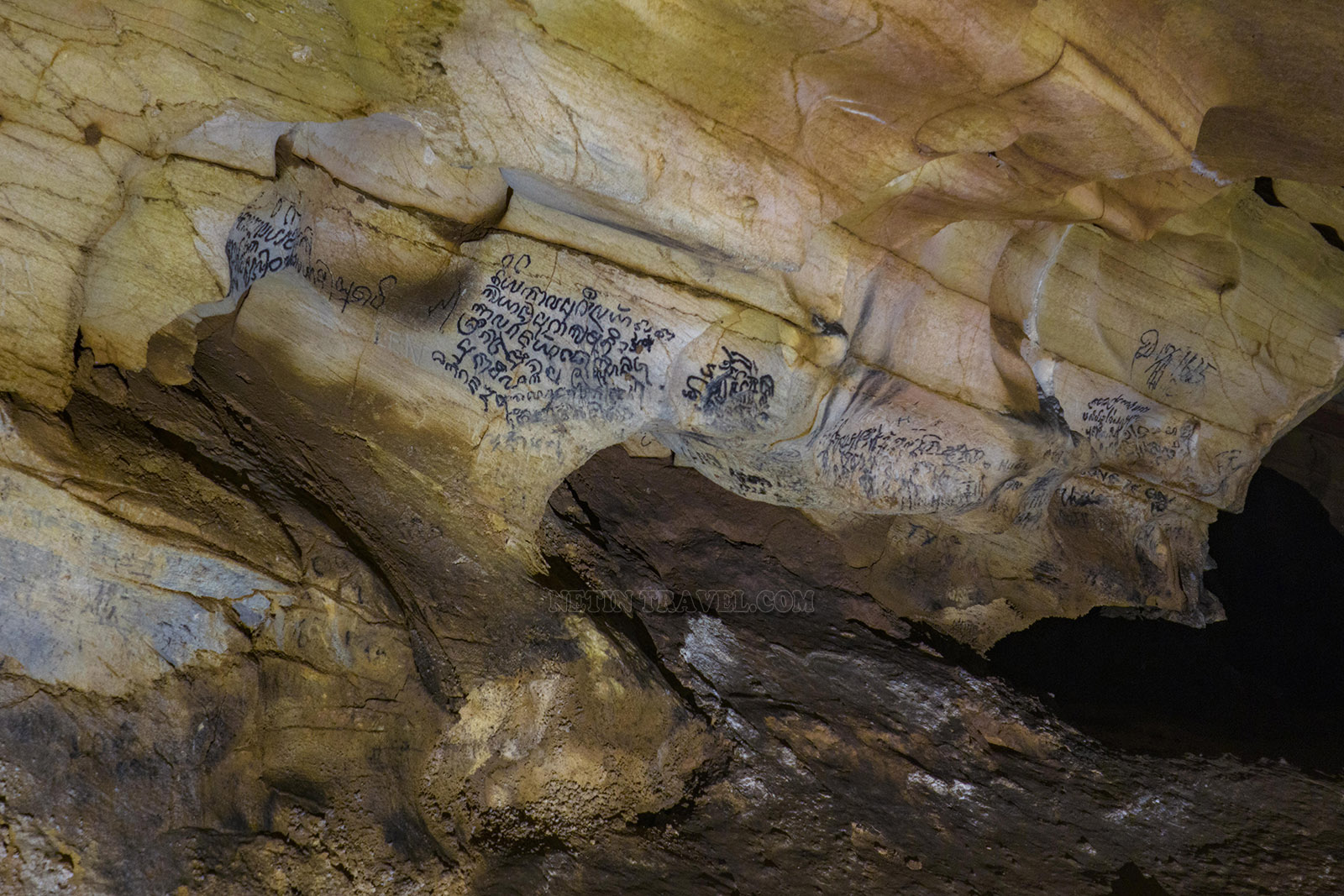
Beyond its underground river and spectacular limestone formations, Phong Nha Cave holds ancient Champa traces in Bi Ky Grotto. Discover the story behind these undeciphered inscriptions and find out how to explore this fascinating historical site.
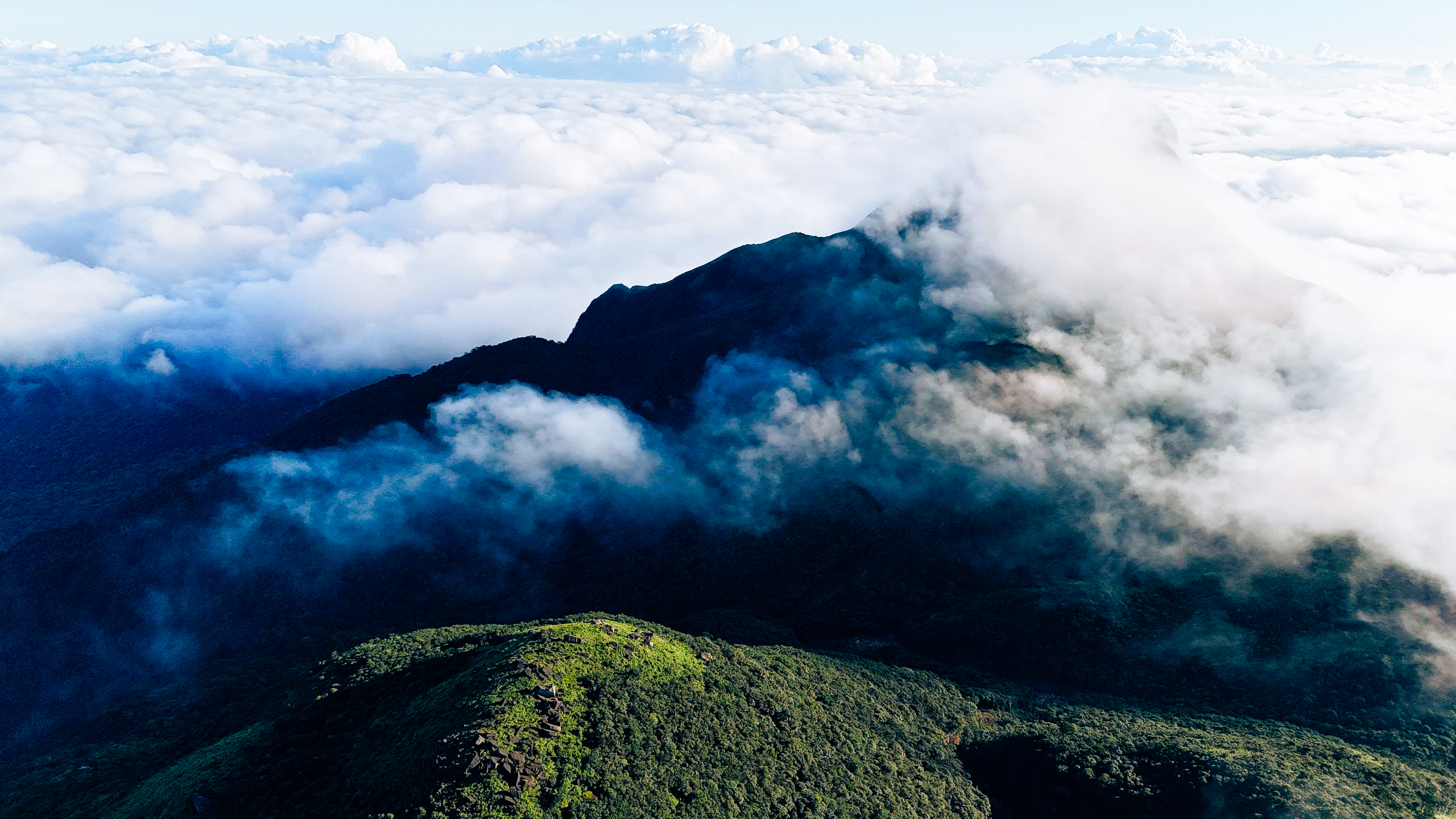
Chasing a sea of clouds is one of the most rewarding experiences on the Pa Thien–Voi Mep trek in Quang Tri, Vietnam. Discover the best time to go, weather conditions to look for, photography tips, and essential gear for your mountain adventure.
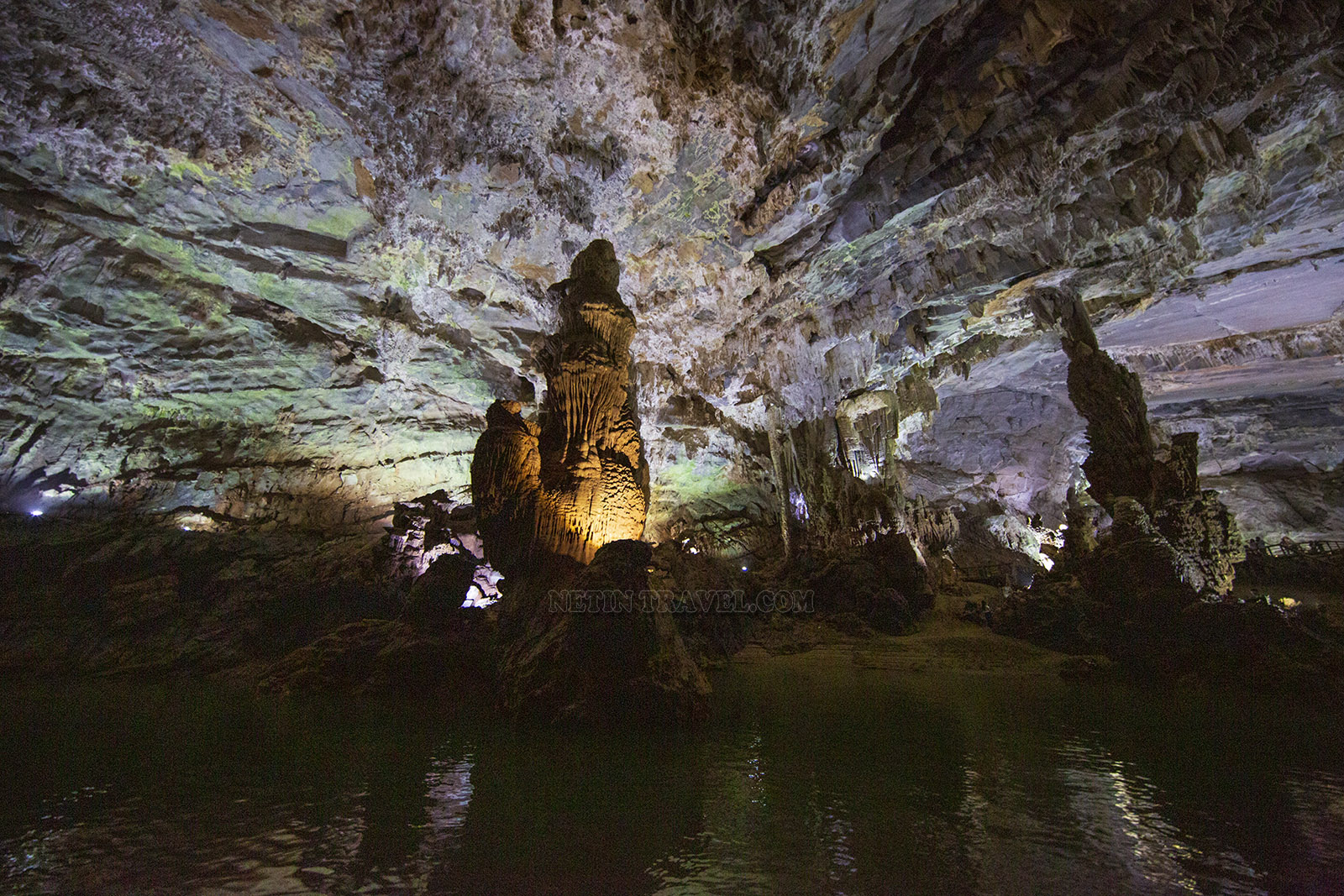
Phong Nha’s limestone mountains and caves developed through millions of years of geological change. Discover how water dissolves limestone to create caves, mineral formations, and underground rivers.
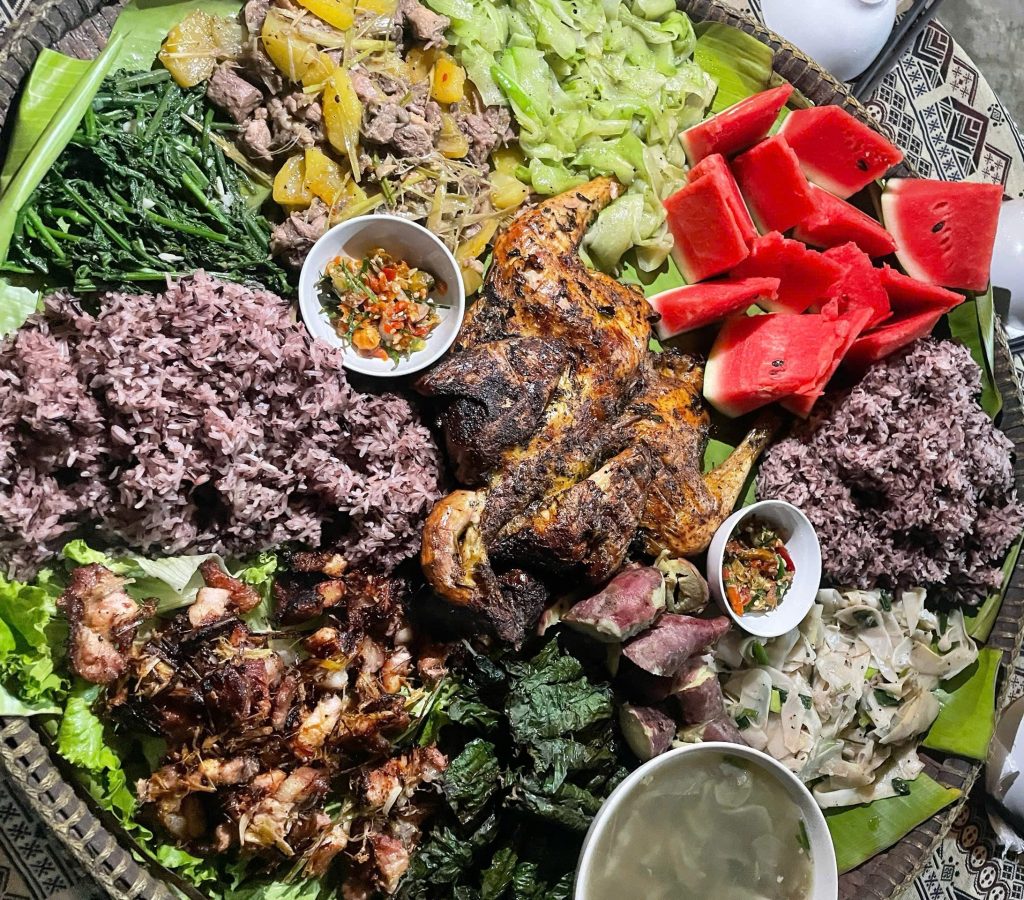
Explore the distinctive cuisine of the Bru–Van Kieu people in western Quang Tri. Discover five local specialities, from chewy Ayoh cakes and grilled chicken with mac mat leaves to stream fish dishes, Doan Ket porridge and grilled beef with toasted rice.