
Traveling in Quang Tri with young children requires more planning around your itinerary, transportation, and rest time. Children of different ages have different activity levels, attention spans, and daily routines.
If you are traveling with young children, make sure the itinerary includes enough time to rest between activities. Consider the type of transportation, how long your children will spend in the car, and whether you can maintain their usual routine. Avoid packing too many places into one day. Children may not have enough energy to keep up.
Activities by Age
Ages 1–3
At this age, choose places that do not require long travel times. Destinations with little walking and easy opportunities to stop and rest are more convenient.
Keep your child’s sleeping, eating, and rest times in mind when planning the day. If your child gets carsick easily or has trouble sleeping in a new environment, avoid planning too many stops in one day.
Ages 4–6
Children in this age group can usually handle more activities. However, they still need regular breaks between stops.
You can combine sightseeing, playtime, and light outdoor activities. Before choosing a destination, check the walking distance and the number of stairs. Also consider how long your child will be in the car without a break.
Ages 7–12
Children aged seven and above can usually handle longer walks if they are in good health.
This age is also suitable for combining historical sites with nature-based activities. However, check the requirements of each tour before booking.
Ages 13+
Older children can take part in a wider range of experiences. Families can consider itineraries with more outdoor activities and longer travel times if the child is physically fit.
For tours with age restrictions, always check the minimum age before booking.
Suggested Destinations for Kids
The age ranges below are general guidelines to help families choose. If a tour has specific age requirements, those requirements should take priority.
| Type of destination | Destination | Suggested age |
| Easy-going destinations | Bang Onsen | From 1 year old |
| Easy-going destinations | Quang Tri beaches | From around 2 years old |
| Easy-going destinations | Phong Nha | From around 4 years old, depending on the route |
| Historical sites | Hien Luong – Vinh Moc | From around 6 years old |
| Historical sites | Historical sites in Dong Ha and nearby areas | From around 6 years old |
| More active outdoor experiences | Cha Loi Cave | From 10 years old |
| More active outdoor experiences | Dong Chau – Khe Nuoc Trong | From 16 years old |
| More active outdoor experiences | Pa Thien – Voi Mep | From 16 years old |
For younger children, prioritize routes with reasonable travel times and opportunities to rest. As children get older, you can consider more outdoor activities based on their health and fitness.
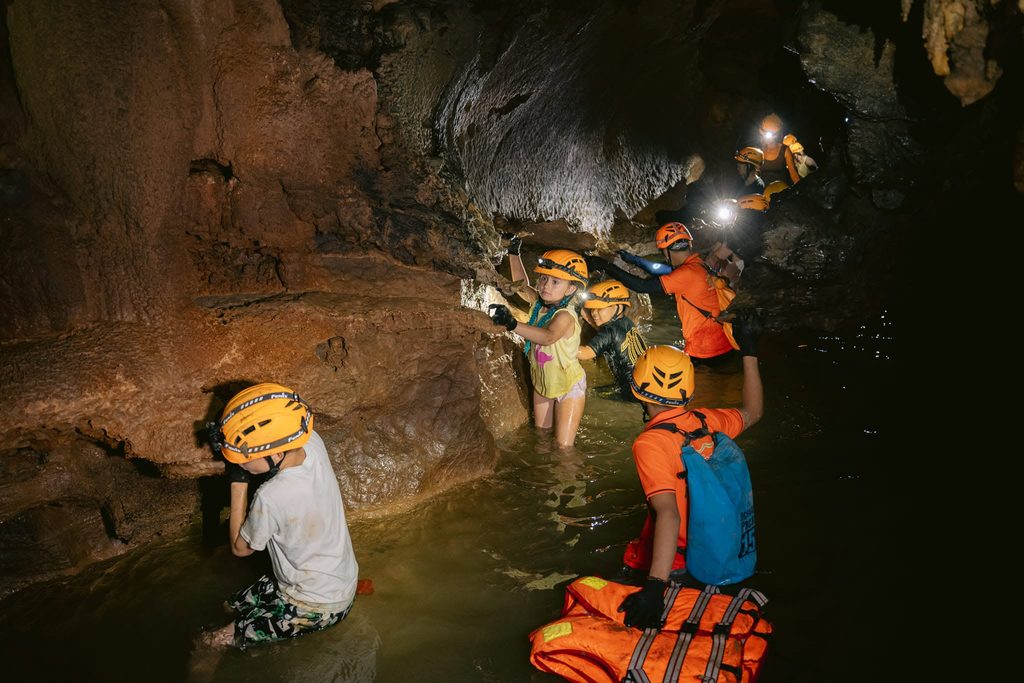
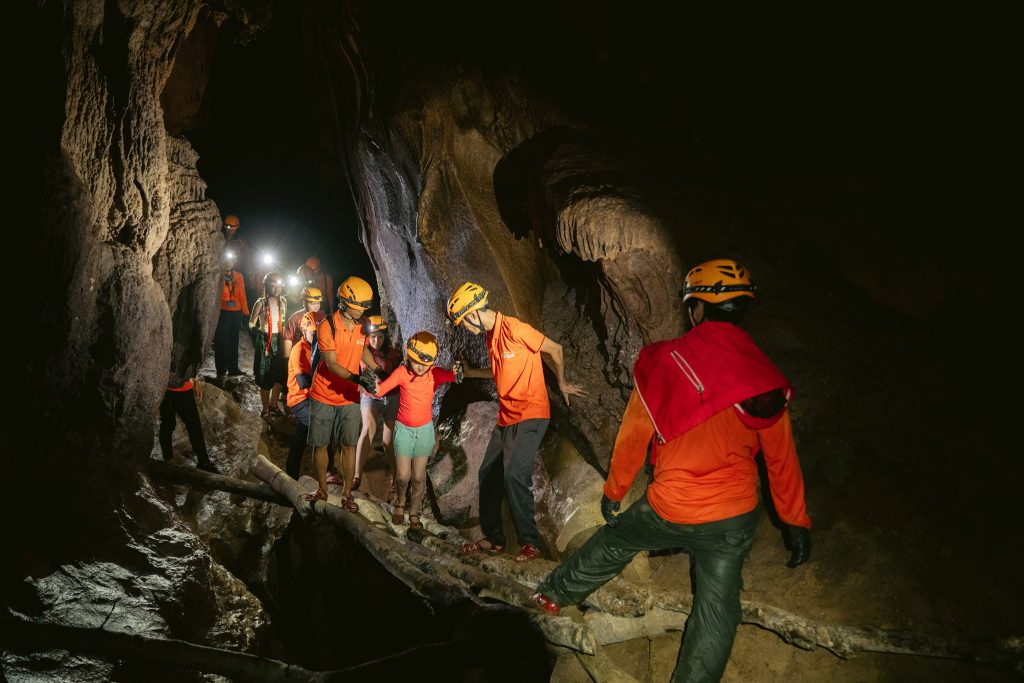
If you are looking for places to visit in Phong Nha with children, see our guide: Traveling to Phong Nha with Kids: Where Should You Go?
Walking, Stairs, and Travel Time
When traveling in Quang Tri with young children, look at the whole journey, not just the destination.
There are four key things to check:
- Time in the car: Does your child get carsick or uncomfortable during long rides?
- Walking distance: Can your child walk the whole route, or will they need help?
- Stairs and terrain: Are there steep sections, high steps, or rocky paths?
- Breaks: Can you stop along the way for food, water, or rest?
For younger children, a nearby destination with plenty of rest time may be a better choice. A schedule with continuous travel can leave children tired quickly.
Before Booking
Some outdoor activities have age or fitness requirements. Check these details before booking. Do not rely on age alone.
Activities to pay attention to include:
- Long-distance trekking.
- Cave exploration.
- Streams and other water activities.
- Kayaking.
- Overnight camping.
- Routes with steep terrain or long walking sections.
- Tours with specific age restrictions.
In addition to age, let the tour operator know whether your child can swim. You can also share their previous outdoor experience. If there is anything special the operator should know, mention it in advance.
Breaks and Rest
A day with young children should have some flexibility. Avoid scheduling activities continuously from morning until evening.
For example:
Morning: Main sightseeing activity or experience.
Lunch: Eat and rest at the hotel or a restaurant.
Afternoon: Choose a lighter activity or allow time for play.
Evening: Have dinner, rest, and avoid additional travel if the child is already tired.
For multi-day trips, consider adding a lighter day between days with more travel or physical activity.
If your child still naps, try to keep their usual nap schedule. Older children may be more flexible. However, they should still have breaks rather than staying active for long periods.
Hotels, Food, and Transport
Choosing a Hotel
Families with young children should choose accommodation that makes resting and getting around easy. If your child is young, a room with enough space can make the stay more comfortable. An easily accessible bathroom is also helpful.
Food for Kids
Check the food options at your destination in advance. For young children, you may want to bring some familiar foods. This can be useful if your child is not used to eating a wide variety of foods.
If your child follows a specific diet, let the hotel, restaurant, or tour operator know in advance.
Getting Around
Travel time is an important factor when choosing a route. If your child gets carsick easily, avoid days with too many consecutive journeys.
Ask about the pickup point and travel time in advance. It is also worth checking whether stops can be made along the way.
What to Pack
Depending on your child’s age and the length of the trip, you may want to pack:
- Spare clothes.
- Shoes or sandals suitable for each activity.
- A hat and sun protection.
- A jacket if visiting areas with cooler or changing weather.
- A personal water bottle.
- Familiar snacks.
- Regular medicines and personal care items.
- Tissues, wet wipes, and bags for dirty clothes.
- Essential items for young children, such as diapers, formula, or a drinking bottle.
- Swimwear if your itinerary includes water activities.
For trekking or cave exploration tours, follow the equipment list provided by the tour operator.
Questions Before Booking
Before booking a tour, tell the operator your child’s age and ask:
- Does the tour have an age restriction?
- How far will the child need to walk?
- Are there many stairs or steep sections?
- What is the longest continuous drive?
- Can we stop for a break if the child gets tired?
- Can children who cannot swim take part?
- Does the tour provide life jackets or other safety equipment?
- Can the itinerary be adjusted for our family?
- Is the food suitable for children?
- What support is available if the child is unable to continue?
This information can help families assess whether a route is suitable before booking. Do not rely only on photos or a list of destinations.
Planning Your Family Trip
Some families want more time for their children to play. Others prefer a slower pace and more rest. Some want to combine historical sites with nature experiences.
As a result, two families taking the same number of days may have completely different itineraries.
Before choosing a tour, prepare a few basic details. These include your children’s ages, the number of people traveling, and the planned length of the trip. It is also helpful to decide which activities your family would like to experience.
These details make it easier to choose a suitable route. They also help you plan travel time and decide where to include breaks.
If you are planning a trip to Quang Tri with young children, tell Netin Travel the children’s ages. You can also share the number of people traveling and your expected travel dates.
From there, we can help you assess which routes may be a better fit. Netin Travel can also suggest ways to arrange the itinerary around your children’s health, interests, and daily routine.
